For millions of drivers in regions with cold winters, the seasonal tire changeover is a ritual as predictable as falling leaves and rising heating bills. But as all-season tire technology improves, many are asking: Is it still necessary to switch to winter tires every year? The answer isn’t a simple yes or no—it depends on where you live, how you drive, and what kind of conditions you face. Understanding the real differences between all-season and winter tires can help you make an informed decision that balances safety, performance, and convenience.
The Science Behind Tire Performance in Cold Weather
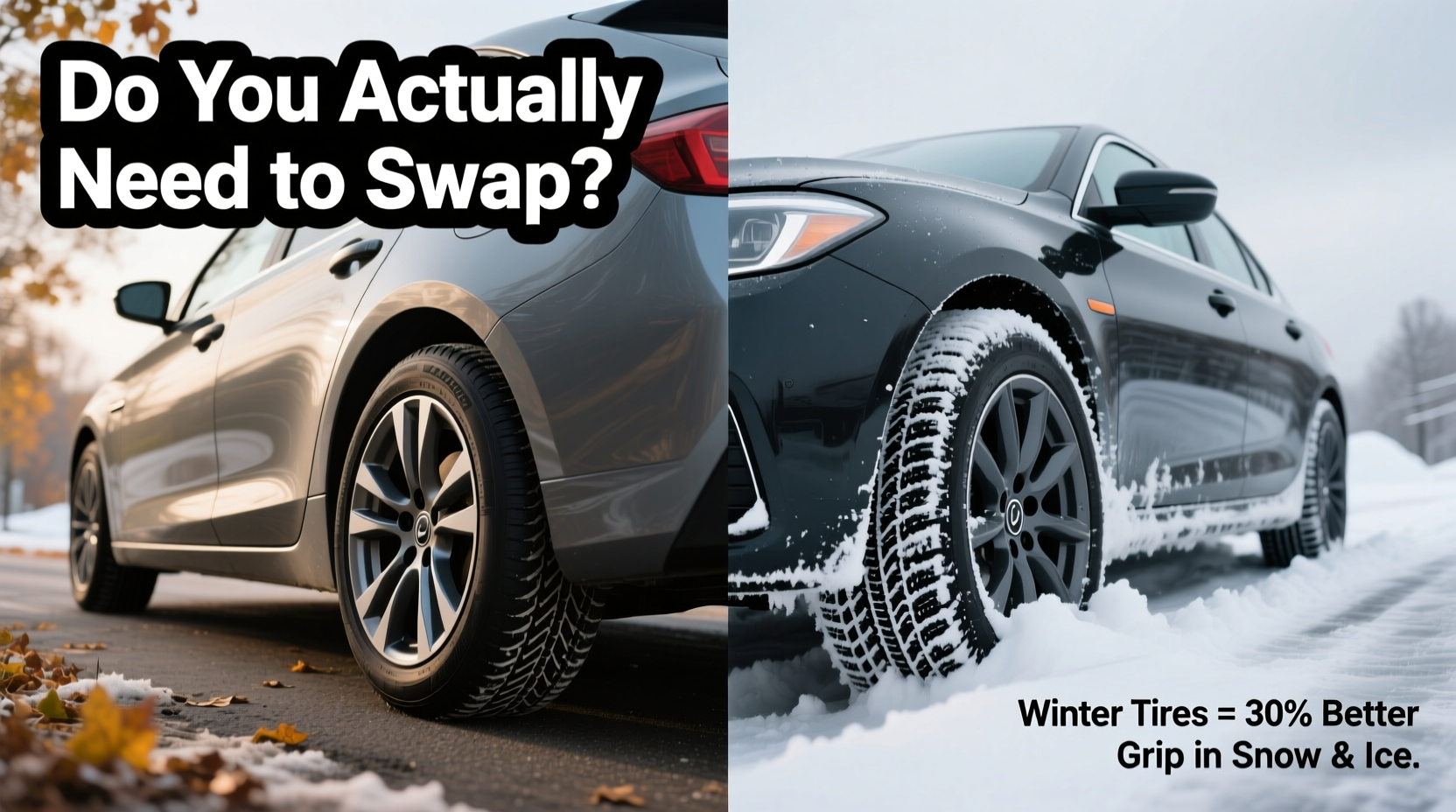
Tires are more than just rubber meeting the road—they’re complex engineering products designed for specific temperature ranges and road conditions. The key difference between all-season and winter tires lies in their rubber compound and tread design.
All-season tires use a harder rubber compound optimized for moderate temperatures, typically above 45°F (7°C). When temperatures drop below this threshold, the rubber stiffens, reducing grip and increasing stopping distances. In contrast, winter tires are made from a softer, silica-rich rubber that remains pliable in freezing conditions. This flexibility allows the tire to conform to road surfaces, maintaining traction even on snow-covered or icy roads.
The tread pattern also plays a critical role. Winter tires feature deeper grooves, more sipes (tiny slits in the tread blocks), and specialized biting edges designed to dig into snow and expel slush. All-season tires, while capable in light winter conditions, lack the aggressive tread needed for consistent performance in heavy snow or ice.
“Below 45 degrees Fahrenheit, the performance gap between all-season and winter tires becomes significant—especially during braking and cornering.” — Dr. Lars Bengtsson, Tire Materials Researcher, Trelleborg Sealing Solutions
Performance Comparison: Real-World Scenarios
To understand the practical implications, consider three common winter driving situations:
- Braking on icy roads: A vehicle equipped with winter tires can stop up to 30–40% shorter than one with all-season tires at 30 mph in sub-freezing temperatures.
- Acceleration in deep snow: Winter tires provide superior bite and reduce wheel spin, making it easier to pull out of driveways or navigate unplowed streets.
- Cornering on wet, cold pavement: Even without snow, cold, damp roads increase hydroplaning risk. Winter tires offer better lateral grip due to their flexible compound and channeling design.
Detailed Comparison: All-Season vs Winter Tires
| Feature | All-Season Tires | Winter Tires |
|---|---|---|
| Operating Temperature Range | 45°F – 100°F (7°C – 38°C) | -40°F – 45°F (-40°C – 7°C) |
| Rubber Compound | Firmer, less flexible in cold | Softer, stays pliable in freezing temps |
| Tread Depth & Siping | Moderate; fewer sipes | Deeper treads; high sipe density |
| Snow & Ice Traction | Fair to poor | Excellent |
| Wet Road Performance (Cold) | Adequate | Superior |
| Dry Pavement Handling (Warm) | Good | Poor (wears faster, less stable) |
| Lifespan (with seasonal rotation) | 50,000–70,000 miles | 30,000–40,000 miles (if used only in winter) |
| Cost (per tire, average) | $90–$140 | $120–$180 |
This comparison shows that while all-season tires offer versatility, they compromise performance at both ends of the temperature spectrum. Winter tires excel in cold but degrade quickly in warm weather, making them unsuitable for year-round use.
When You Might Not Need to Swap: Regional Considerations
In milder climates—such as the Pacific Northwest, parts of the Mid-Atlantic, or southern Canada—drivers may experience only occasional frost or light snow. In these areas, modern all-season tires with the Three-Peak Mountain Snowflake (3PMSF) symbol can provide adequate winter capability without requiring a full tire swap.
The 3PMSF rating indicates the tire has passed rigorous testing for snow traction and is considered “severe snow service” capable. These all-weather tires blur the line between traditional all-season and dedicated winter tires, offering a compelling middle ground for drivers who want simplicity without sacrificing too much safety.
However, if you live in regions like northern Minnesota, Upstate New York, or the Canadian Prairies—where temperatures routinely stay below freezing for weeks and snow accumulation exceeds 6 inches—you’re not just compromising performance by skipping the switch; you’re increasing risk.
Mini Case Study: Two Drivers, One Storm
Consider two neighbors in Buffalo, NY: Sarah uses all-season tires year-round, while Mark switches to winter tires every November. During a sudden lake-effect snowstorm dumping 12 inches overnight, both attempt to drive to work on untreated side streets.
Sarah struggles to accelerate from stops, her wheels spinning frequently. She brakes early but still slides through a stop sign. Her confidence drops, and she takes back roads to avoid traffic. Mark, meanwhile, navigates the same route with minimal effort. His car accelerates smoothly, corners predictably, and stops within normal distance despite the snowpack.
Neither has an accident, but the margin of safety is clearly wider for Mark. Over multiple winters, that added control reduces stress, lowers collision risk, and potentially avoids costly repairs or insurance claims.
Step-by-Step Guide to Deciding Whether to Switch
If you're unsure whether tire swapping makes sense for your situation, follow this five-step evaluation process:
- Assess Your Climate: Track how many days per year your area falls below 45°F and experiences snow or ice. If it’s more than 30 days, winter tires are likely worth it.
- Review Your Commute: Evaluate road conditions. Do you drive on plowed highways, or do you face unplowed residential streets? The latter increases the need for winter tires.
- Check Your Vehicle Type: Front-wheel-drive and electric vehicles benefit significantly from winter tires. EVs, with their instant torque and heavier weight, demand maximum grip in cold weather.
- Calculate Long-Term Costs: Factor in tire lifespan, fuel efficiency (better traction can improve mpg in winter), and potential accident savings. Swapping tires doubles your initial investment but extends the life of both sets.
- Consider Storage & Logistics: Do you have space to store a second set of tires? Many shops offer swap-and-store services for $80–$120 per year, making the process hassle-free.
Common Misconceptions About Winter Tires
Several myths persist about winter tires that discourage drivers from making the switch:
- Myth: “I have AWD/4WD, so I don’t need winter tires.”
Reality: All-wheel drive helps with acceleration, but it doesn’t improve braking or cornering. Traction starts at the tire contact patch, not the drivetrain. - Myth: “Modern all-season tires are good enough.”
Reality: While better than older models, most all-season tires still harden in cold weather, reducing grip when you need it most. - Myth: “Swapping tires is too expensive.”
Reality: When spread over 4–5 years, the cost averages $100–$150 per winter—less than many car detailing packages.
Expert Recommendation: What Industry Leaders Say
Transportation Safety Boards in Canada and several U.S. states actively recommend winter tires. Quebec and parts of British Columbia mandate their use during winter months. The Rubber Manufacturers Association (RMA) advises drivers in cold climates to switch when temperatures consistently fall below 45°F.
“The single most effective thing a driver can do to improve winter safety is install proper winter tires. No other aftermarket upgrade comes close in terms of risk reduction.” — Mike Hasello, Director of Consumer Education, RMA
Checklist: Should You Switch to Winter Tires?
Use this checklist to determine if seasonal tire changes are right for you:
- ✅ Do temperatures in your area drop below 45°F for more than a month each year?
- ✅ Does your region receive regular snowfall (6+ inches annually)?
- ✅ Do you drive during or immediately after storms?
- ✅ Is your commute on rural, unplowed, or hilly roads?
- ✅ Do you carry passengers frequently (children, elderly, etc.)?
- ✅ Can you afford or arrange storage for a second set of tires?
If you answered “yes” to three or more, switching to winter tires is a prudent choice.
FAQ: Common Questions About Tire Swapping
Can I leave winter tires on all year?
No. Winter tires wear out much faster in warm weather due to their soft rubber compound. Using them beyond spring increases rolling resistance, reduces fuel economy, and compromises handling on dry roads.
Are all-season tires safe for mountain driving in winter?
Only if they carry the 3PMSF symbol. Even then, dedicated winter tires are strongly recommended for high-elevation routes with frequent ice and snow, such as those in Colorado or the Sierra Nevada.
How often should I replace my winter tires?
Every 4–6 seasons, depending on usage. Replace them when tread depth reaches 6/32” for optimal snow performance (compared to 2/32” for legal minimum). Use a tread depth gauge annually before winter.
Conclusion: Prioritize Safety Without Unnecessary Hassle
The decision to swap tires isn’t about tradition—it’s about matching your equipment to the environment. For drivers in mild climates with infrequent winter weather, high-quality all-season tires with the 3PMSF rating may suffice. But if you face prolonged cold, snow, or ice, winter tires are not an optional upgrade; they’re a fundamental part of vehicle safety.
Think of it this way: seatbelts, airbags, and ABS are all designed to protect you when things go wrong. Winter tires are unique because they help prevent problems before they start. They give you control when roads are unpredictable, reduce stopping distances, and boost driver confidence.
🚀 Ready to make a safer winter drive? Evaluate your current tires, check your local climate patterns, and consider scheduling a tire consultation with a trusted shop. Your future self—driving confidently through a snowstorm—will thank you.








