For motorcycle enthusiasts, upgrading the exhaust system is one of the most impactful modifications you can make. Akrapovič stands at the pinnacle of premium aftermarket exhausts, known for their titanium construction, race-bred engineering, and signature sound. But with replicas flooding the market at a fraction of the price, many riders are asking: is the extra cost of an original Akrapovič truly justified?
The answer isn't as simple as \"yes\" or \"no.\" It depends on your priorities—whether you're building a track-focused machine, seeking subtle aesthetic upgrades, or simply want a louder tone without breaking the bank. Let’s dissect the differences between original Akrapovič systems and their replica counterparts across multiple critical dimensions.
Performance: Power, Weight, and Flow Efficiency
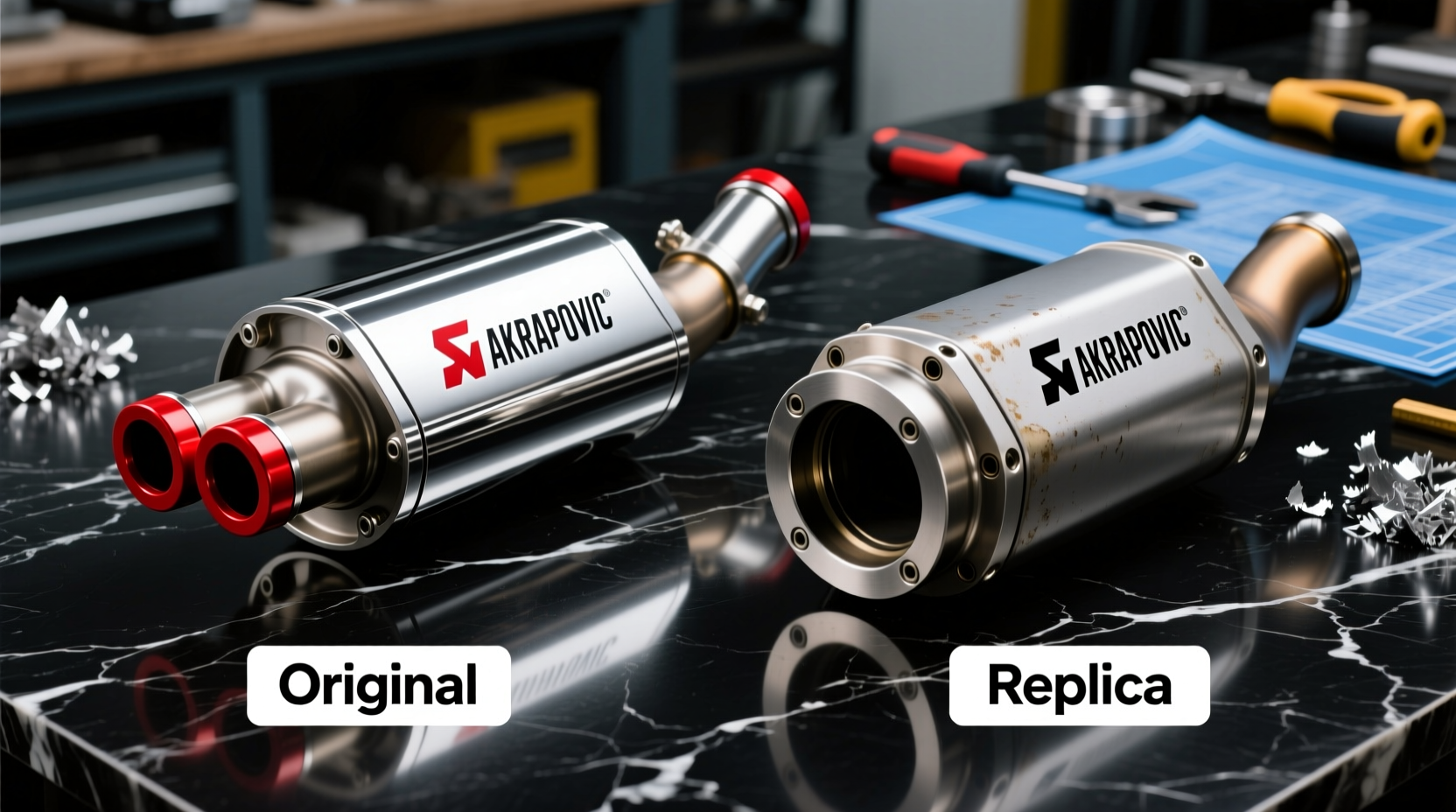
Original Akrapovič exhausts are engineered using data from MotoGP and World Superbike programs. Each system undergoes extensive dyno testing, computational fluid dynamics (CFD) modeling, and real-world validation. The result is optimized exhaust flow that enhances mid-range torque and peak horsepower while reducing backpressure.
In contrast, replicas often mimic the shape and finish but skip the R&D phase. While some may claim power gains, independent dyno tests show inconsistent results—some replicas even cause a power loss due to poor internal baffling or mismatched header dimensions.
Tip: Always pair an exhaust upgrade with ECU remapping. A high-flow system without proper fueling adjustments can harm performance and engine longevity.Key Performance Differences
- Original: 3–6% measurable horsepower gain, precise tuning, optimized scavenging effect.
- Replica: Inconsistent gains; some models restrict flow or create turbulence due to inferior baffle design.
- Weight: Original systems use full titanium or titanium/mid-pipe combos, saving 8–15 lbs over stock. Replicas often use cheaper stainless steel with minimal weight savings.
“Every Akrapovič system is developed in-house using our own foundry and acoustic tuning labs. You’re not just buying a pipe—you’re buying decades of racing refinement.” — Matjaz Brajkovic, Akrapovič R&D Engineer
Durability and Build Quality
Akrapovič uses multi-layer titanium tubing with ceramic-coated headers where applicable. Their muffler cores are packed with high-temp fiberglass designed to withstand sustained 1,000°F+ exhaust gases. Welds are TIG-finished in controlled environments for maximum integrity.
Replicas typically use thinner gauge metals, spot welding instead of continuous seams, and lower-grade baffles that degrade quickly. After six months of regular riding, many replica owners report rattling noises, discoloration, or even cracking near weld points.
Lifespan Comparison
| Factor | Original Akrapovič | Replica Exhaust |
|---|---|---|
| Metal Grade | Titanium (Grade 1–2), Ceramic-Coated Steel Headers | Stainless Steel (often 304 or lower), sometimes aluminum tips |
| Warranty | 2 years (limited) | Rarely offered; if present, limited to 3–6 months |
| Avg. Lifespan | 7+ years with proper care | 1–3 years depending on usage |
| Heat Resistance | Tested up to 1,100°F | Often fails above 800°F |
Sound and Aesthetics
This is where replicas come closest to matching originals—at least initially. Many are designed to replicate the deep, aggressive bark Akrapovič is famous for. However, sound quality degrades faster on replicas as internal packing material breaks down.
Original Akrapovič systems use proprietary X-design baffles that balance volume with harmonic richness. They meet EU noise regulations while still delivering presence. Replicas often exceed legal decibel limits and produce a harsh, droning tone on long rides—a common complaint among touring riders.
Tip: If you value a refined tone over sheer loudness, originals deliver superior acoustic engineering. Replicas tend to prioritize volume over quality.Legal and Warranty Implications
In many regions, including the EU and U.S., exhaust systems must be EPA- or e-mark certified to be street legal. Genuine Akrapovič systems include dB killer compliance and come with documentation verifying emissions standards. Most replicas lack certification entirely, making them illegal for road use.
Additionally, installing a non-compliant exhaust can void your motorcycle’s factory warranty. Manufacturers like BMW, Ducati, and Yamaha have denied warranty claims on engine and sensor repairs when unauthorized exhausts were detected.
Checklist: Before Buying Any Aftermarket Exhaust
- Verify if the system is DOT/EPA or e-mark certified.
- Confirm fitment for your exact model year (changes occur annually).
- Check if ECU remapping is required—and budget for it.
- Research return policies; some sellers don’t accept used exhaust returns.
- Ask for proof of materials used (e.g., titanium certificate).
Real-World Example: Two Riders, Same Bike, Different Choices
Consider two Kawasaki Ninja ZX-14R owners: Marco and David. Both wanted a performance upgrade and liked the Akrapovič look.
Marco invested $1,200 in a genuine Evolution Line full system. He had it professionally installed and mapped. Over three years, he put 18,000 miles on it—no issues. The bike passed emissions, sounded aggressive but not obnoxious, and turned heads at meets.
David bought a $380 replica online. It looked identical out of the box and gave a noticeable pop on overrun. But by month ten, the mid-pipe started glowing red under hard acceleration—indicating poor heat management. At 14,000 miles, the baffle collapsed, causing a drone so bad he had to replace it. Total cost: $380 + $150 labor + $200 for a second replacement = $730, with no performance benefit.
Marco paid more upfront but saved money and hassle long-term. David thought he saved $820—but ended up spending nearly two-thirds of the original's price with less reliability.
Cost-Benefit Analysis: When a Replica Might Make Sense
There are scenarios where a replica could be a rational choice:
- Budget Show Bikes: If you’re building a static display or rarely ride, appearance matters more than longevity.
- Track-Only Use: On closed circuits, legality and emissions aren’t concerns. Some replicas perform adequately under short bursts.
- Testing Fitment: As a temporary solution before committing to an original.
But for daily riders, long-distance tourers, or anyone who values consistency and peace of mind, the original Akrapovič delivers tangible returns over time.
Frequently Asked Questions
Do Akrapovič replicas fit as well as originals?
Most high-end replicas offer excellent fitment thanks to CAD reverse-engineering. However, minor alignment issues or clamp misplacement can occur, especially on complex V-twin or inline-four layouts. Always check user reviews specific to your bike model.
Can I pass emissions with a replica exhaust?
Unlikely. Most replicas lack catalytic converters and do not meet emission standards. Even if they physically fit, they won’t pass inspection in regulated areas. Original Akrapovič systems often include removable dB killers and are designed to work within legal limits.
Are there any reliable Akrapovič replica brands?
Some manufacturers, like SC Project or Termignoni, offer legitimate alternatives. But generic “Akrapovič-style” replicas from unknown Chinese brands vary wildly in quality. There’s no standardized grading, so buyer beware.
Final Verdict: Is the Extra Cost Worth It?
If you view your motorcycle as more than just transportation—if you value precision engineering, long-term reliability, and the pride of owning a component forged in the crucible of motorsport—then yes, the extra cost of an original Akrapovič is absolutely worth it.
You’re paying for metallurgical excellence, acoustic tuning, weight reduction, and a product backed by a global reputation. It’s not merely an exhaust; it’s a statement of intent.
That said, replicas serve a niche. For casual riders prioritizing aesthetics over performance or those on tight budgets, they offer access to a premium look at a lower entry point. Just go in with eyes open: understand the trade-offs in lifespan, legality, and actual performance gains.
💬 Your turn: Have you upgraded to an Akrapovič—or tried a replica? Share your experience, lessons learned, or questions in the comments below. Your insights could help another rider make the right call.








