
In a market flooded with fleeting trends and premium price tags, American consumers increasingly seek products that deliver both value and versatility. The essence of smart shopping today isn’t about chasing luxury—it’s about finding the sweet spot where affordability meets enduring style and reliable performance. From kitchenware to apparel, home goods to personal accessories, a growing wave of brands and retailers are redefining what it means to offer “America’s best picks” for daily life. These aren’t just cheap alternatives; they’re thoughtfully designed, widely accessible items that millions rely on without draining their wallets.
The shift toward value-driven consumption reflects broader economic realities and evolving consumer priorities. Shoppers now demand transparency, durability, and aesthetic appeal—all at prices that make sense for routine replacement or rotation. This article explores the pillars of this movement: how certain products have earned their place as national favorites, what makes them stand out, and how you can build a lifestyle around smart, stylish, and sustainable choices—without overspending.
What Makes a Product One of America’s Best Everyday Picks?
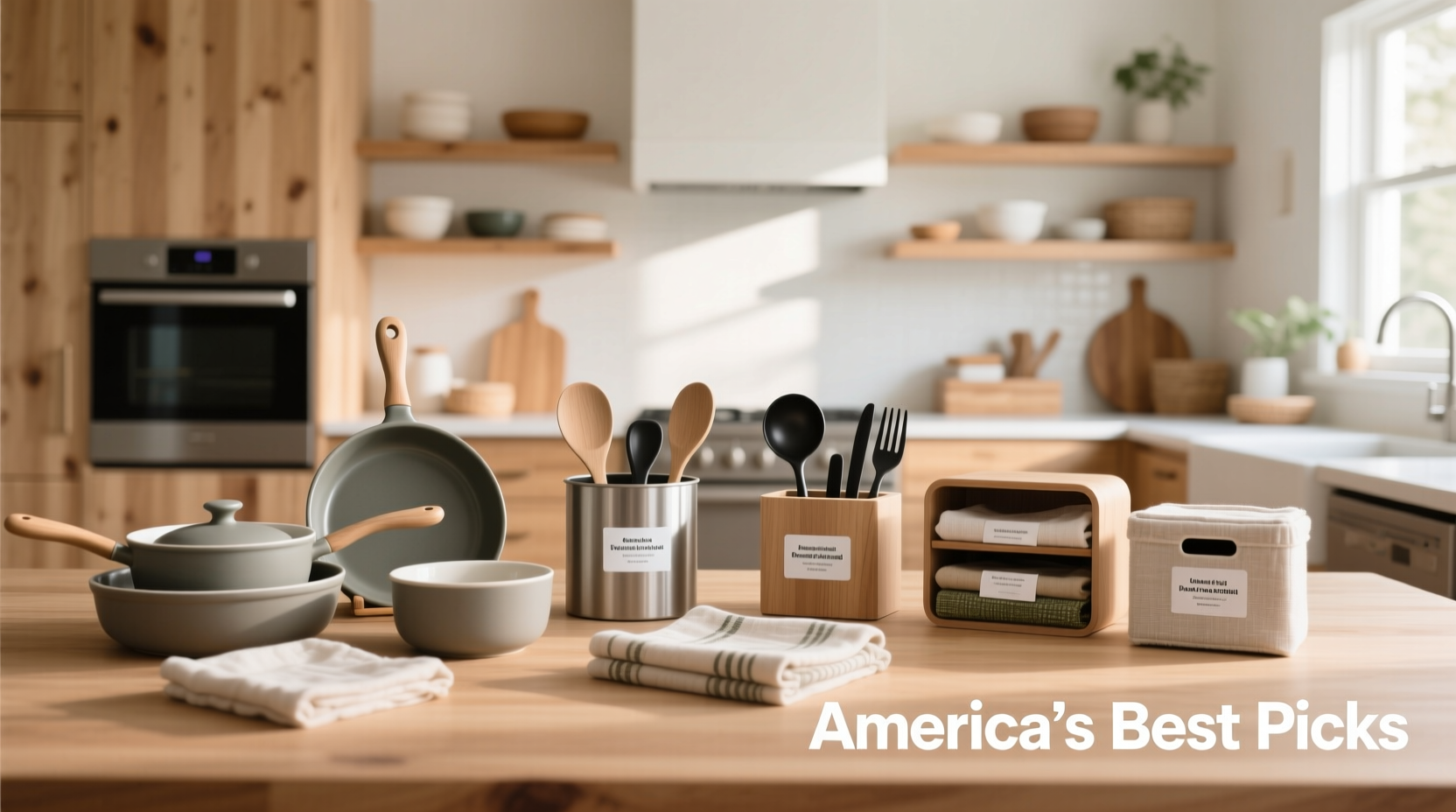
The most popular affordable items in the U.S. share common traits that go beyond low cost. They succeed because they solve real problems in simple, elegant ways. Key factors include:
- Consistent availability – Found in major retailers like Target, Walmart, Amazon, or regional chains.
- Design longevity – Styling that doesn’t feel dated after one season.
- User-friendly functionality – Easy to use, clean, maintain, and store.
- Positive word-of-mouth – High ratings, repeat purchases, and social media buzz.
- Scalable production – Made in volumes that keep costs low without sacrificing baseline quality.
These elements create a feedback loop: people buy, they’re satisfied, they recommend, and sales grow. Over time, some products become cultural staples—like the OXO Good Grips peeler or the Stanley Quencher tumbler—not because they were first, but because they consistently meet expectations.
Tip: When evaluating an affordable product, check customer reviews over a two-year window. Consistent praise across seasons indicates true reliability.Top Categories Defining Affordable Excellence
A few sectors lead the charge in blending affordability with broad appeal. Within each, specific brands and models have emerged as benchmarks for value.
Kitchen & Dining Essentials
Household kitchens across the country rely on tools that are durable, intuitive, and easy to replace. Items like nonstick cookware sets from Tramontina, microwave-safe storage containers from Rubbermaid, and ergonomic utensils from Cuisinart dominate pantries and drawers not because they’re flashy, but because they work.
Apparel & Footwear
Brands like Old Navy, Hanes, and Skechers have mastered the balance between comfort, fit, and cost. Their success lies in standardized sizing, high-volume manufacturing, and seasonal updates that refresh styles without reinventing the wheel.
Home Organization
From Command Hooks to IKEA KALLAX shelves, organizational solutions thrive when they’re modular, damage-free to install, and visually neutral enough to blend into any decor. These products empower renters and homeowners alike to customize spaces affordably.
Personal Care & Toiletries
Crest toothpaste, Dove soap, and Gillette razors remain top sellers due to consistent performance and widespread distribution. Drugstore availability ensures accessibility, while brand trust reduces decision fatigue.
“Affordability doesn’t mean minimalism. It means maximizing utility per dollar spent.” — Dr. Lena Torres, Consumer Behavior Researcher, University of Michigan
How to Spot Truly Great Value (Not Just Low Price)
Not all inexpensive products are created equal. Some cut corners on materials or ergonomics, leading to short lifespans and hidden costs. To identify genuine value, consider the following checklist before purchasing:
Value Assessment Checklist
- Does it perform its primary function reliably?
- Is replacement parts or refills easily available?
- Has it maintained positive ratings over 12+ months?
- Is it energy-, time-, or labor-saving in daily use?
- Does it come with a warranty or satisfaction guarantee?
- Can it adapt to multiple uses (e.g., a tote that doubles as a gym bag)?
Products scoring well on this list often prove more economical over time than cheaper alternatives requiring frequent replacement.
Real-World Example: The Rise of the Threshold Line at Target
Consider Target’s private-label brand, Threshold. Launched as a budget-friendly home line, it evolved into a design-forward collection rivaling mid-tier retailers. Its throw blankets, ceramic mugs, and bedding sets feature minimalist aesthetics, neutral palettes, and machine-washable fabrics—all priced under $25.
A case study in Milwaukee illustrates its impact: Sarah M., a teacher and mother of two, renovated her living room using only Threshold and IKEA items. She spent under $400 total, including curtains, a coffee table tray, and accent pillows. “I didn’t want to invest thousands,” she said, “but I also didn’t want it to look temporary. Threshold gave me cohesion and style without the markup.” Her space received compliments from friends and even inspired a local Facebook group dedicated to “budget beautiful” homes.
This example underscores a larger trend: well-designed, affordable products empower people to curate environments that reflect their tastes, not their income.
Comparison: Popular Everyday Brands by Value Metrics
| Product Type | Brand | Avg. Price | Lifespan (Months) | Customer Rating (Out of 5) |
|---|---|---|---|---|
| Water Bottle | Stanley (Quencher) | $35 | 36+ | 4.7 |
| Water Bottle | S’well | $45 | 30 | 4.5 |
| Water Bottle | Thermos Funtainer | $15 | 24 | 4.6 |
| Blender | Hamilton Beach (Single Serve) | $30 | 48 | 4.4 |
| Blender | Vitamix (5200) | $400 | 120+ | 4.8 |
| Yoga Mat | Gaiam | $20 | 18 | 4.3 |
| Yoga Mat | Manduka (PRO) | $120 | 60+ | 4.9 |
Note: While premium options score higher in lifespan, mid-tier and budget brands often provide 80% of the performance at 20–30% of the cost—making them ideal for casual or rotating use.
Frequently Asked Questions
Are affordable products less sustainable?
Not necessarily. Sustainability depends on usage patterns. A $10 shirt worn 50 times has a lower environmental cost per wear than a $50 shirt worn five times. The key is choosing affordable items made with decent materials and committing to long-term use.
Can I mix budget and premium items effectively?
Absolutely. Many designers recommend a “base and accent” strategy: use affordable staples (sheets, basics, tools) and invest selectively in high-impact or high-wear pieces (mattress, coat, skillet). This approach optimizes both budget and quality.
Where should I avoid cutting costs?
Prioritize safety and health-critical items. Examples include car seats, mattresses for children, prescription eyewear, and electrical appliances. For these, certified quality outweighs upfront savings.
Building Your Everyday Collection: A Practical Timeline
Adopting a value-focused lifestyle doesn’t require overhauling everything at once. Follow this gradual approach:
- Month 1: Audit your current essentials. Identify three frequently used items that are worn out or inefficient.
- Month 2: Research affordable replacements with strong user reviews. Focus on one category (e.g., kitchen, wardrobe).
- Month 3: Purchase and test. Use for 30 days, noting performance and satisfaction.
- Month 4: Replace two more items. Begin phasing out old versions responsibly (donate, recycle).
- Ongoing: Adopt a “one in, one out” rule. Each new addition replaces an old one, preventing clutter.
This method builds quality gradually, aligns spending with actual need, and avoids impulse buys.
Conclusion: Style, Smarts, and Savings Go Hand in Hand
The concept of “America’s best picks for everyday use” isn’t defined by price alone—it’s shaped by real people making thoughtful choices in real homes, workplaces, and routines. Affordability, variety, and style aren’t trade-offs; when combined wisely, they form the foundation of a resilient, expressive, and financially sound lifestyle.
You don’t need a designer label or a warehouse membership to live well. You need access to proven, accessible products that serve you day after day. Start small. Choose one area of your life—your morning routine, your workspace, your laundry setup—and upgrade it with intention. Share what works with others. Because the best picks aren’t just sold—they’re shared, trusted, and reused.
💬 Found a hidden gem that combines affordability and style? Tell us about your go-to everyday favorite in the comments—we might feature it in our next roundup!








