
Laundry that smells fresh isn’t always about using expensive detergents or branded fabric refreshers. Often, persistent odors stem from bacteria, mildew, or detergent buildup—not just surface-level dirt. The good news is that highly effective laundry deodorizers don’t require a designer label or a deep wallet. With common household items and smart techniques, you can neutralize odors, extend the life of your clothes, and maintain freshness—without ever buying another overpriced product.
Why Traditional Detergents Fall Short
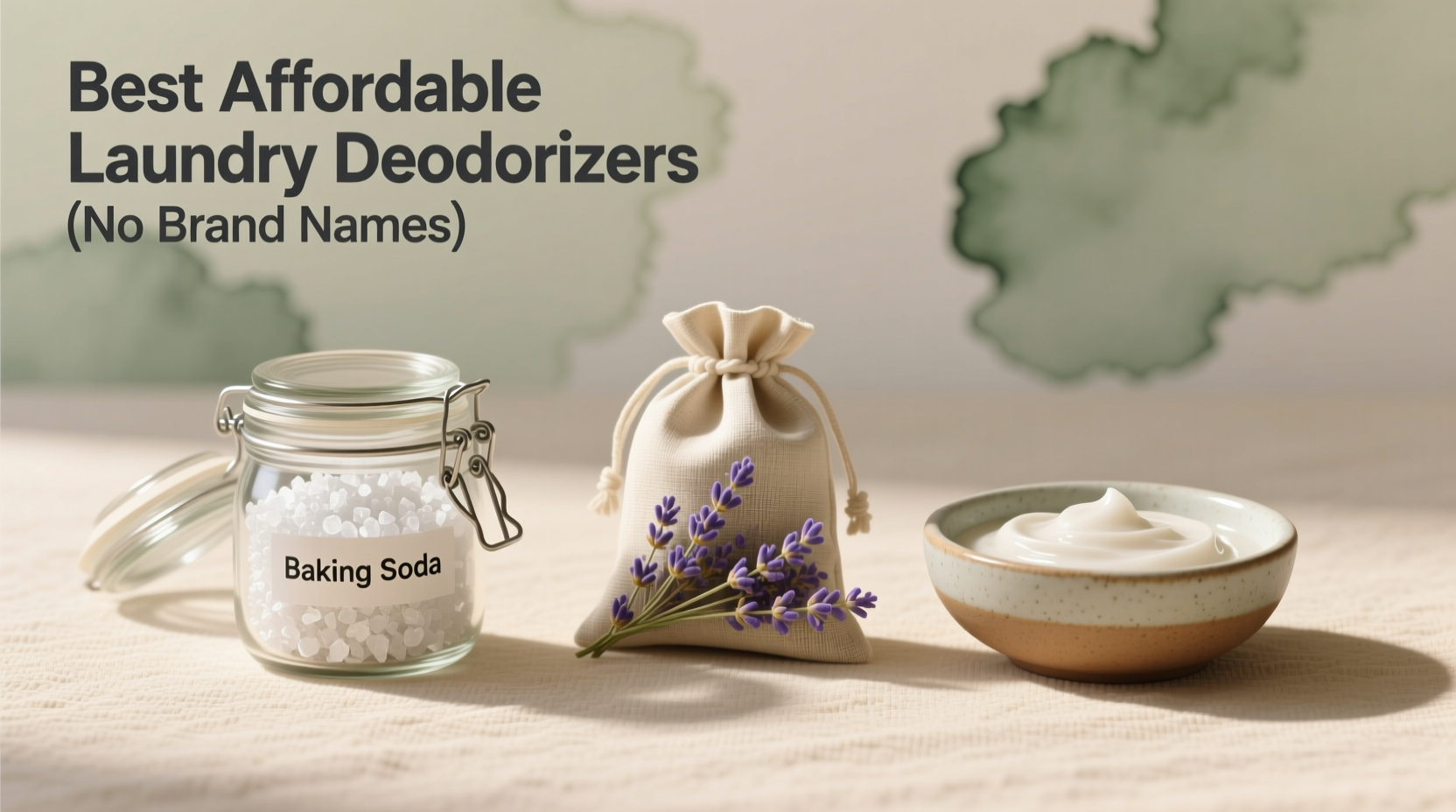
Most standard laundry detergents are designed to remove visible stains and some odor-causing particles, but they often leave behind residues that trap moisture and bacteria. Synthetic fragrances in many commercial products merely mask odors rather than eliminating them. Over time, this leads to lingering mustiness, especially in athletic wear, towels, and cloth diapers.
Moreover, high-efficiency (HE) washing machines use less water, which can result in incomplete rinsing. This increases the likelihood of soap scum and odor retention. Instead of layering more chemicals, addressing the root cause with natural, low-cost deodorizing agents proves far more effective—and gentler on fabrics and skin.
“Odor control in laundry isn’t about overpowering scents; it’s about creating an environment where bacteria can’t thrive.” — Dr. Lena Patel, Microbiologist & Textile Hygiene Researcher
Top 5 Natural Deodorizing Agents You Already Own
The most powerful laundry deodorizers are likely already in your pantry or cleaning cabinet. These substances work by altering pH levels, breaking down organic matter, or absorbing volatile compounds responsible for bad smells.
- White vinegar: Acetic acid in vinegar kills bacteria, dissolves mineral deposits, and removes soap residue. It also acts as a natural fabric softener.
- Baking soda: A mild alkali, baking soda neutralizes acidic odors (like sweat and mildew) and enhances detergent performance.
- Hydrogen peroxide (3%): An oxidizing agent that breaks down organic stains and eliminates microbial growth without harsh fumes.
- Washing soda (sodium carbonate): More alkaline than baking soda, it softens water and boosts cleaning power, especially in hard water areas.
- Lemon juice: Natural citric acid cuts through grease and deodorizes, though it should be used cautiously on dark fabrics due to potential bleaching.
Step-by-Step Guide: Deep Deodorizing Wash Routine
Follow this process monthly—or whenever clothes develop stubborn odors—to restore freshness at the molecular level.
- Pre-soak (30–60 minutes): Fill a basin with warm water and add 1 cup of baking soda and 1 cup of white vinegar. Submerge heavily soiled or smelly items like workout gear, towels, or baby clothes.
- Run a cleaning cycle: Before washing clothes, run an empty hot cycle with 2 cups of vinegar in the drum to clean the machine itself. Residual mold in rubber seals causes recontamination.
- Wash with additives: In the main wash, add your regular detergent plus ½ cup of washing soda and ½ cup of hydrogen peroxide (for whites) or baking soda (for colors).
- Rinse with vinegar: Add 1 cup of white vinegar to the rinse cycle. This removes any remaining residue and leaves fibers soft and odor-free.
- Dry thoroughly: Sun-drying is ideal—UV rays have natural disinfectant properties. If using a dryer, ensure clothes are completely dry before storing.
Do’s and Don’ts of Homemade Laundry Deodorizing
| Do’s | Don’ts |
|---|---|
| Use vinegar and baking soda—but not mixed together directly. They neutralize each other if combined prematurely. | Never mix vinegar with bleach. This creates toxic chlorine gas. |
| Pre-treat underarm stains with a paste of baking soda and water before washing. | Avoid using lemon juice on dark or delicate fabrics unless tested first. |
| Store homemade solutions in labeled, sealed containers away from children. | Don’t overload the washing machine. Crowded loads reduce agitation and rinsing efficiency. |
| Wash towels every 3–4 uses and sanitize monthly with a vinegar-baking soda cycle. | Don’t ignore the washing machine filter and detergent drawer—clean monthly to prevent odor transfer. |
Real Example: Eliminating Persistent Towel Odors
Sarah, a mother of two in Portland, noticed her family’s towels had developed a sour smell despite weekly washing. She tried doubling the detergent and adding scented dryer sheets, but the odor returned after one use. Frustrated, she researched natural solutions and implemented a simple three-step fix: First, she ran her washer empty on hot with 2 cups of vinegar. Then, she washed the towels with no detergent, only 1 cup of baking soda and ½ cup of hydrogen peroxide. Finally, she added 1 cup of vinegar during the rinse cycle and dried them outside on a sunny day. After just one treatment, the towels were fresh and stayed that way for weeks. By removing built-up residue and killing odor-causing bacteria, Sarah eliminated the problem at its source—without spending more than $3.
Cost Comparison: DIY vs. Commercial Deodorizers
Many branded laundry boosters and odor eliminators cost between $8 and $15 per bottle and last for about 16–20 loads. In contrast, bulk purchases of basic ingredients offer dramatic savings.
| Product/Ingredient | Cost per Use (Approx.) | Deodorizing Efficacy |
|---|---|---|
| Branded laundry booster (e.g., “OxiClean” type) | $0.50–$0.75 per load | High (but temporary masking) |
| White vinegar (bulk gallon) | $0.05 per cup | Very High (bacterial kill + residue removal) |
| Baking soda (5 lb box) | $0.03 per ½ cup | High (pH neutralization) |
| Hydrogen peroxide (3%, quart) | $0.10 per ½ cup | Very High (oxidation-based cleaning) |
| Average blended DIY method (vinegar + baking soda + peroxide) | $0.18–$0.25 per load | Superior (multi-mechanism action) |
As shown, a homemade approach costs up to 70% less while offering deeper, longer-lasting results. Plus, these ingredients are biodegradable and safe for septic systems.
Frequently Asked Questions
Can I use vinegar if I have sensitive skin?
Yes. During the rinse cycle, vinegar is fully diluted and mostly rinsed out. Most people with sensitivities tolerate it well, especially when paired with a thorough rinse. For extra caution, add vinegar only to the fabric softener dispenser, which releases it later in the cycle.
Will baking soda damage my washing machine?
No. Baking soda is non-abrasive and water-soluble. However, avoid pouring clumped or damp powder into dispensers, as it may clog. Dissolve it in warm water first if adding directly to the drum.
How often should I deep-clean my laundry with these methods?
Once a month is sufficient for most households. High-use items like gym clothes, cloth diapers, or pet bedding may benefit from a targeted treatment every 2–3 weeks.
Final Thoughts and Action Plan
Fresh-smelling laundry doesn’t require proprietary formulas or expensive subscriptions. The most effective deodorizing strategies rely on chemistry, not branding. By understanding how odors form and using accessible, economical ingredients, you gain full control over your laundry hygiene—without dependency on marketing-driven products.
Start today: Clean your washing machine with vinegar, then treat one load of smelly clothes using the step-by-step method outlined here. Track the results. You’ll likely find that simplicity outperforms complexity, and affordability doesn’t mean compromise.
🚀 Take action now: Pick one load of musty clothes and refresh it using only vinegar, baking soda, and sunlight. Share your results in the comments—your experience could help someone else ditch costly brands for good.








