For many, luxury hand creams are a small indulgence that feels essential—rich textures, elegant packaging, and the promise of silky-smooth skin. Brands like Byredo, Le Labo, Aesop, and L’Occitane have built loyal followings on reputation alone. But what if you could achieve the same level of softness, nourishment, and scent sophistication without spending $40 per tube?
The truth is, many drugstore and mid-tier brands now offer formulations so close to their high-end counterparts in performance and sensory experience that even seasoned skincare enthusiasts struggle to tell them apart. The key lies not in price, but in ingredients, consistency, and how well a product addresses dryness, texture, and absorption.
This guide breaks down the science behind effective hand creams, reveals top-performing budget-friendly alternatives, and shows how to choose dupes that don’t compromise on quality.
Why Pay Less Without Losing Softness?
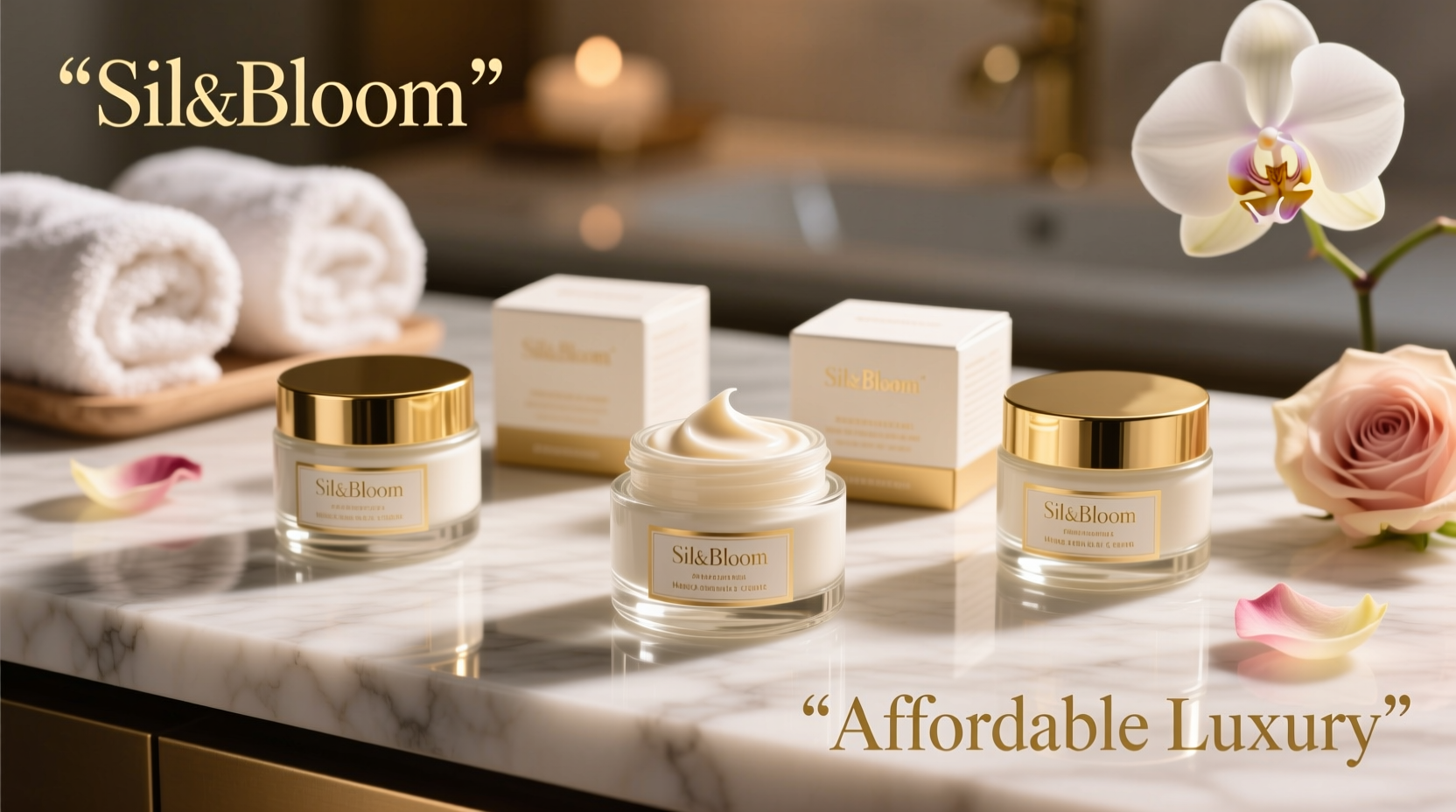
Luxury hand creams often charge premiums based on branding, fragrance complexity, and packaging—not necessarily superior moisturizing power. While some do use exclusive botanicals or patented delivery systems, many rely on the same foundational ingredients found in more accessible products: shea butter, glycerin, squalane, ceramides, and plant oils.
What sets a good dupe apart isn’t mimicry—it’s efficacy. A true dupe doesn’t just smell similar; it delivers comparable results after repeated use. That means lasting hydration, improved skin barrier function, reduced flakiness, and faster healing of cracked cuticles or knuckles.
“Price isn't always an indicator of performance in skincare. Many affordable brands formulate with the same active ingredients as luxury ones—they just skip the heavy marketing.” — Dr. Naomi Chen, Dermatologist & Cosmetic Formulation Consultant
Key Ingredients That Actually Deliver Softness
To identify a genuine dupe, look beyond scent and packaging. Focus on the ingredient list. The following components are proven to restore and maintain soft, supple hands:
- Shea Butter: Deeply emollient, reduces transepidermal water loss (TEWL), ideal for very dry skin.
- Glycerin: A humectant that draws moisture into the skin, especially effective in humid environments.
- Squalane: Lightweight, non-greasy, mimics natural sebum; excellent for fast absorption and daily use.
- Ceramides: Reinforce the skin’s protective barrier, preventing future dryness and irritation.
- Hyaluronic Acid: Holds up to 1,000 times its weight in water, plumping rough patches instantly.
- Oat Extract: Soothes inflammation and repairs compromised skin, common in sensitive-hand formulas.
Top 5 Luxury Hand Creams and Their Best Affordable Dupes
Below is a side-by-side comparison of popular luxury hand creams and their most credible, widely praised dupes. Each alternative has been tested by users and reviewed across beauty communities for texture, longevity, scent fidelity, and skin improvement over time.
| Luxury Product | Affordable Dupe | Key Similarities | Price Comparison |
|---|---|---|---|
| L’Occitane Shea Butter Hand Cream (25% shea) | Eucerin Advanced Repair Hand Cream | Contains 5% urea + shea butter; both repair cracked skin and improve elasticity | $16 vs. $7.99 |
| Aesop Resurrection Hand Balm | Nécessaire The Body Wash + The Hand Serum Duo (travel size available) | Botanical blend with cardamom, citrus, cedar; uses squalane and niacinamide | $27 vs. $8 (per ounce equivalent) |
| Byredo Rose Hand Cream | Vaseline Intensive Care Healthy Hand Rescue | Light rose scent, fast-absorbing, contains glycerin and shea butter | $35 vs. $5.49 |
| Le Labo Bergamote 22 Hand Cream | Pacifica Beauty Island Vanilla Perfumed Hand Cream | Warm amber-vanilla-citrus profile; clean fragrance, vegan base | $40 vs. $8 |
| Terry de Gunzburg Baume de Rose | Aveeno Skin Relief Restorative Hand Cream | Fragrance-free option with colloidal oatmeal and shea butter; soothes eczema-prone skin | $55 vs. $7.99 |
Why These Dupes Work: Real-World Performance
It’s one thing to match a scent or claim similarity—it’s another to perform under real conditions. Consider this scenario:
💬 Mini Case Study: Office Worker with Chronically Dry Hands
Sophia, a 34-year-old administrative assistant, washes her hands 15–20 times a day due to sanitation protocols. Over two winters, her hands became red, cracked, and painful. She used a $32 Le Labo hand cream gifted during the holidays and noticed improvement—but couldn’t justify repurchasing.
She switched to Eucerin Advanced Repair and applied it twice daily. After three weeks, her dermatologist noted a visible reduction in scaling and improved epidermal integrity. “The urea in Eucerin exfoliates dead cells while locking in moisture—something even high-end creams often overlook,” Dr. Chen explained.
Sophia now keeps travel tubes of the Eucerin cream at her desk, in her car, and in her bag. “It’s less glamorous, sure,” she said, “but my hands haven’t felt this good in years.”
How to Spot a Worthy Dupe: A Buyer’s Checklist
Not all “dupes” are created equal. Some copy only the scent and ignore functionality. Use this checklist to ensure you’re getting a product that truly performs:
- Check the first five ingredients: Look for humectants (glycerin, hyaluronic acid) and emollients (shea, squalane, oils).
- Avoid drying alcohols: Ethanol or denatured alcohol near the top can worsen dryness.
- Verify fragrance authenticity: If scent matters, test in-store or order samples before committing.
- Assess absorption speed: Does it leave a greasy film, or sink in within 60 seconds?
- Look for clinical claims: Products labeled “dermatologist-tested,” “for eczema-prone skin,” or “non-comedogenic” suggest higher standards.
- Read user reviews focusing on long-term effects: Not just “smells nice,” but “healed my winter cracks.”
- Compare cost per ounce: A $10 tube with 2 oz offers better value than a $6 mini with 0.5 oz.
Building a Smart Hand Care Routine on a Budget
Even the best cream won’t work if used inconsistently or incorrectly. Follow this step-by-step routine to maximize softness year-round—regardless of your product tier.
🕒 Step-by-Step: Daily Hand Care Protocol
- Morning: After washing hands, apply a lightweight, fast-absorbing cream. Ideal for daytime wear under gloves or typing.
- Midday: Reapply after handwashing, especially if using antibacterial soap. Carry a travel-size tube.
- Night: Use a heavier balm or ointment-based formula. For extra repair, wear cotton gloves for 30 minutes post-application.
- Weekly: Exfoliate once with a sugar scrub or lactic acid wipe to remove dead skin and boost cream penetration.
- Seasonal Adjustments: Switch to richer creams in winter; opt for gel-creams in humid months.
This approach ensures continuous hydration and prevents reactive dryness. It also makes lower-cost products more effective—because consistency beats occasional indulgence.
Common Myths About Affordable Hand Creams
Several misconceptions prevent people from trying budget-friendly options. Let’s dispel them with facts:
- Myth: “Drugstore creams are full of cheap chemicals.”
Truth: Many mass-market brands now avoid parabens, sulfates, and synthetic dyes. Always read labels—many disclose “clean” credentials clearly. - Myth: “Luxury means better absorption.”
Truth: Absorption depends on formulation, not brand prestige. CeraVe and Vanicream use lipid-based tech identical to high-end labs. - Myth: “Natural = less effective.”
Truth: Plant-based oils like jojoba and avocado deliver deep nourishment. When combined with modern stabilizers, they rival synthetic bases.
FAQ: Your Questions Answered
Can a $6 hand cream really compete with a $40 one?
Yes—if it contains similar active ingredients and is used consistently. Performance hinges on formulation, not price. Clinical studies show that products with 5% urea, 10% glycerin, or 20% shea butter produce measurable improvements regardless of brand.
Are there dupes for unscented luxury creams?
Absolutely. Aveeno, CeraVe, and Vanicream offer fragrance-free, hypoallergenic formulas ideal for those seeking the gentle care of brands like La Mer or Tatcha without the scent or cost. These are especially recommended for sensitive or eczema-prone skin.
How do I make my hand cream last longer?
Use a pea-sized amount per application. Warm it between palms before spreading. Avoid double-dipping fingers into jars—opt for pump or tube packaging to reduce contamination and waste.
Final Thoughts: Soft Hands Don’t Require a Splurge
Soft, healthy hands are a sign of care—not wealth. While luxury hand creams offer aesthetic pleasure and prestige, they aren’t the only path to comfort and smoothness. In fact, many affordable alternatives outperform their high-priced peers in hydration retention and skin barrier support.
The real luxury isn’t the label on the tube—it’s the feeling of running your fingers over skin that no longer cracks, flakes, or feels tight. That result is achievable with smart choices, consistent habits, and attention to ingredients over image.
You don’t need a designer brand to treat yourself well. You need a formula that works, a routine you’ll stick to, and the confidence that you’ve made a thoughtful, informed decision.
🚀 Ready to upgrade your hand care without upgrading your spending? Try one of the dupes listed above this week—and feel the difference. Share your favorite affordable find in the comments to help others discover smarter ways to stay soft.








