
In a world where speed often equates to success—whether it’s improving physical performance, accelerating work output, or mastering new skills—everyone is looking for ways to move faster. But high-performance solutions don’t have to come with a luxury price tag. The truth is, some of the most effective methods for increasing speed and efficiency are not only accessible but can also be stylish and sustainable. From minimalist training gear to smart digital tools and lifestyle adjustments, the path to getting faster doesn’t require expensive gadgets or elite memberships. It requires strategy, consistency, and smart choices.
Why Speed Matters—and Style Counts
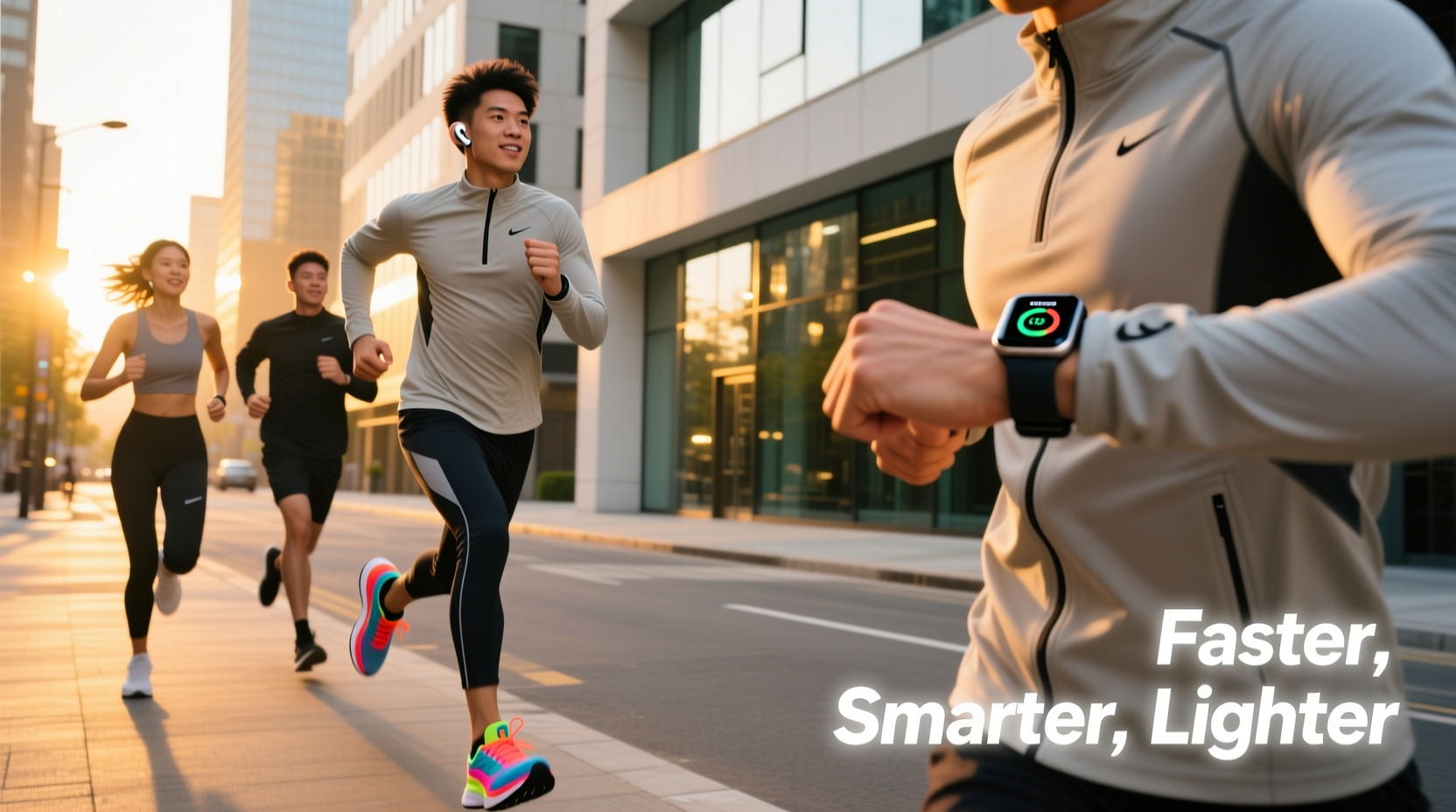
Speed isn’t just about moving quickly; it’s about achieving more in less time while maintaining quality. In athletics, faster sprint times win races. In business, quicker decision-making leads to competitive advantage. In learning, rapid skill acquisition opens doors. But beyond function, there's an aesthetic dimension. People want solutions that align with their personal style—clean designs, modern aesthetics, and cohesive integration into daily life. A sleek pair of running shoes or a minimalist productivity app doesn’t just perform well—it feels good to use.
The intersection of affordability, effectiveness, and style is where real value lies. You don’t need a $300 smartwatch to track progress or a personal trainer to improve your pace. What you need are proven, low-cost strategies that fit naturally into your routine and reflect your taste.
Top 5 Affordable & Stylish Ways to Get Faster
1. Invest in Minimalist Running Shoes
Modern athletic footwear has evolved beyond flashy logos and excessive cushioning. Lightweight, minimalist shoes promote natural foot mechanics, which can enhance running efficiency over time. Brands like Merrell, Vivobarefoot, and New Balance offer stylish, no-frills models under $100 that support faster turnover and better form.
Tip: Transition gradually to minimalist shoes to avoid strain—start with short walks or light jogs.2. Use Free Interval Training Apps
High-intensity interval training (HIIT) is one of the fastest ways to boost cardiovascular speed and endurance. Apps like Nike Run Club, Strava, and Adidas Training offer free interval timers, guided sprints, and progress tracking—all with clean, intuitive interfaces that look great on any smartphone.
These apps allow you to structure workouts like 30 seconds sprint, 90 seconds walk, repeated for 20 minutes. Over time, this trains your body to recover faster and push harder, translating to improved overall speed.
3. Optimize Your Workspace for Productivity
If “getting faster” applies to your workflow, consider redesigning your workspace with affordable, stylish tools. A standing desk converter ($60–$80), ergonomic keyboard, and cable organizers can dramatically reduce distractions and physical fatigue. Pair this with free digital tools like Notion or Trello to streamline task management.
A clutter-free, aesthetically pleasing environment reduces mental resistance, helping you transition between tasks more swiftly and maintain momentum throughout the day.
4. Adopt a Consistent Sleep Routine
No gadget or supplement can replace the performance gains from quality sleep. Going to bed and waking up at the same time every day—even on weekends—regulates your circadian rhythm, leading to sharper focus, quicker reflexes, and improved physical recovery.
Use a simple, free sleep tracker like Sleep Cycle to monitor patterns. Combine this with blackout curtains (under $20) and a white noise app to create a restful, modern sleep sanctuary that supports peak performance.
5. Leverage Public Resources for Skill Acceleration
Want to get faster at coding, writing, or speaking? Libraries, community centers, and online platforms like Coursera, Khan Academy, and YouTube offer free or low-cost courses. Many include timed exercises, challenges, and peer feedback loops that simulate real-world pressure—key for building speed under conditions that mimic actual use.
For example, practicing touch typing with free tools like TypingClub can increase your writing speed by 40% in under a month—elegant, functional, and completely free.
Comparison: High-Cost vs. Affordable Speed Solutions
| Solution Type | Expensive Option | Affordable Alternative | Style Factor |
|---|---|---|---|
| Fitness Tracking | $400 smartwatch with GPS | Free phone app + $20 armband | Minimalist, functional |
| Running Footwear | $250 carbon-plated racing shoes | $80 lightweight minimalist shoe | Sleek, natural design |
| Productivity Setup | $1,200 standing desk with tech bundle | $70 desktop riser + open-source software | Clean, modern aesthetic |
| Skill Development | $3,000 private coaching program | Free online course + accountability group | Flexible, self-directed style |
Step-by-Step Guide to Building Speed on a Budget
- Assess your current baseline. Time yourself during a standard task—running a mile, completing a report, typing a paragraph.
- Identify one bottleneck. Is it physical stamina, focus, or inefficient tools?
- Pick one affordable upgrade. Choose from the options above—shoes, app, sleep routine, etc.
- Commit to 21 days of consistent use. Track progress weekly.
- Adjust and scale. Once you see improvement, layer in another technique.
This approach avoids overwhelm and ensures each change is both measurable and sustainable. Speed isn’t built overnight—it’s cultivated through small, deliberate improvements.
Real Example: How Maya Cut Her Mile Time by 2 Minutes
Maya, a 29-year-old graphic designer, wanted to improve her 5K race time but couldn’t afford a coach or premium gear. She started with a free Couch to 5K app, paired with a $75 pair of New Balance Minimus shoes. She scheduled three run-walk sessions per week and added two 15-minute core workouts using YouTube videos.
She also optimized her evening routine: no screens after 9 PM, used a sleep timer, and kept a water bottle on her nightstand to hydrate first thing in the morning. Within eight weeks, her average mile time dropped from 9:30 to 7:30—without spending over $100 total.
“I didn’t realize how much poor sleep was slowing me down,” she said. “Once I fixed that, everything else felt easier.”
“Speed is a byproduct of efficiency, not expenditure. The simplest changes—like better sleep or smarter pacing—often yield the fastest results.” — Dr. Lena Torres, Sports Performance Researcher, University of Austin
Essential Checklist for Faster Results Without Overspending
- ✅ Track your starting performance metric (time, output, accuracy)
- ✅ Choose one affordable tool or habit to adopt
- ✅ Set a 3-week implementation window
- ✅ Eliminate one distraction (e.g., phone notifications, clutter)
- ✅ Schedule recovery time—rest accelerates progress
- ✅ Reassess and celebrate improvements
Frequently Asked Questions
Can I really get faster without expensive equipment?
Absolutely. While advanced gear can offer marginal gains, foundational improvements come from consistency, proper technique, and recovery—all of which are free or low-cost. Most elite athletes emphasize fundamentals long before investing in high-end tools.
How important is style when trying to improve speed?
More than you might think. When you enjoy using a tool or wearing a piece of gear, you’re more likely to stick with it. Style enhances motivation and daily engagement, making sustainable progress more likely. A beautiful journal encourages regular planning; sleek headphones make workouts more appealing.
How long does it take to see results from these methods?
Most people notice subtle improvements within two weeks—better energy, quicker focus, smoother movement. Significant gains in speed typically appear between 4 to 8 weeks of consistent effort. Patience and routine are key.
Final Thoughts: Speed Doesn’t Have to Be Expensive—Just Smart
The pursuit of speed shouldn’t drain your wallet or compromise your sense of style. True performance comes from intelligent choices: selecting tools that serve both function and form, building habits that compound over time, and respecting the role of rest and recovery. Whether you're aiming to run faster, work quicker, or learn more efficiently, the best strategies are often the simplest—and the most accessible.
💬 Ready to get faster—your way? Start with one small change today. Share your goal in the comments and inspire others to join the journey toward smarter, stylish speed.








