Investing in a jacuzzi can transform your backyard or indoor space into a personal wellness retreat. While luxury models with endless features can cost tens of thousands of dollars, you don’t need to break the bank to enjoy hydrotherapy benefits. With careful research, it’s possible to find an affordable jacuzzi that delivers durability, energy efficiency, and powerful performance. The key is knowing which brands prioritize value without sacrificing quality.
This guide highlights top-performing, budget-conscious hot tubs backed by real-world reviews and expert analysis. Whether you’re upgrading from a basic inflatable spa or entering the world of permanent installations, these picks balance upfront cost with long-term reliability and operating expenses.
What Makes a Jacuzzi “Worth the Money”?
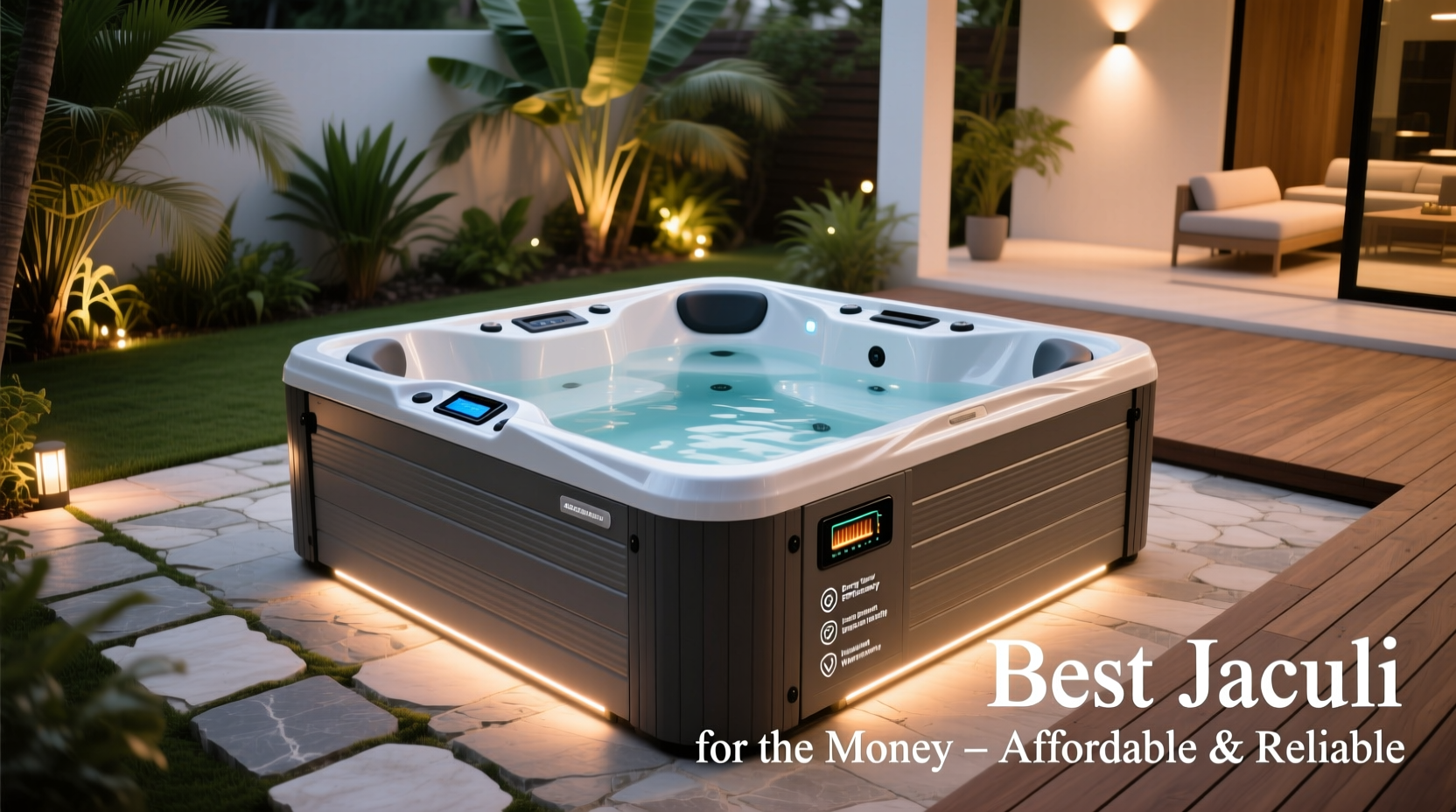
Value isn’t just about the sticker price—it’s about how much enjoyment and function you get over time. A truly worthwhile jacuzzi offers consistent heating, low maintenance, strong jet performance, and solid construction. It should also be easy to use and energy-efficient enough to avoid sky-high electricity bills.
When evaluating affordability, consider three factors:
- Purchase Price: Entry-level models start around $3,000, while premium units exceed $15,000.
- Operating Costs: Insulation quality, pump efficiency, and cover design affect monthly utility costs.
- Lifespan: Well-built spas last 10–15 years; cheaper alternatives may degrade in half that time.
Reliability hinges on materials (e.g., acrylic shells vs. molded polymer), structural support, and warranty coverage. Brands that offer at least a 5-year shell warranty and 2-year parts warranty typically stand behind their craftsmanship.
Tip: Look for full-foam insulation—it reduces heat loss by up to 40% compared to partial foam models.Top 5 Affordable & Reliable Jacuzzi Picks
The following models have earned high marks for balancing cost, performance, and customer satisfaction. All are available from reputable retailers and come with warranties that reflect confidence in long-term durability.
| Model | Price Range | Seating | Key Features | Warranty |
|---|---|---|---|---|
| Bully Pumps BP-480 | $3,200–$3,800 | 4–5 | Full-foam insulation, 30 jets, energy-saving heater | 7-year shell, 3-year parts |
| Sunlighten mPulse | $4,500–$5,200 | 4 | Infrared therapy option, low EMF pumps, eco-mode | 7-year shell, lifetime pump |
| Intex PureSpa Bubble Pro | $700–$900 | 4–6 | Inflatable, portable, fiber-reinforced PVC | 1-year limited |
| Hot Spring Highlife NXT Classic | $7,500–$9,000 | 5–6 | Dual-zone filtration, ACE sanitation, durable cabinetry | Lifetime shell, 5-year jet system |
| Freeflow Spas Escape XL | $4,000–$4,600 | 5 | Stainless steel jets, multi-layer insulation, quiet pumps | 10-year shell, 3-year components |
The Bully Pumps BP-480 stands out as the best overall value under $4,000. Its robust filtration system and high-density foam core keep energy consumption low. Meanwhile, Freeflow Spas offers one of the longest warranties in the mid-tier market, signaling strong faith in product longevity.
“Affordable doesn’t mean compromised. We’ve seen mid-priced spas outperform luxury models when insulation and pump engineering are prioritized.” — Derek Langston, Senior Technician at SpaCare North America
Smart Buying Checklist: How to Pick the Right Model
To ensure you're making a sound investment, follow this practical checklist before purchasing:
- ✅ Confirm the spa has full-foam or equivalent insulation
- ✅ Check for a minimum 5-year structural warranty
- ✅ Verify energy rating or estimated monthly operating cost
- ✅ Test jet placement and adjustability in person if possible
- ✅ Ensure access to local service technicians or authorized dealers
- ✅ Review customer feedback on noise levels and water clarity
- ✅ Measure your installation space—including doorways and weight-bearing capacity
Portable inflatable models like the Intex PureSpa are ideal for renters or those testing the waters. However, they require more frequent setup and lack the thermal efficiency of hard-shell units. For permanent installations, opt for a plug-and-play 110V model if wiring is a concern, though 220V spas generally heat faster and maintain temperature more efficiently.
Real-World Example: A Family’s Smart Upgrade
The Reynolds family in Portland, Oregon, wanted a year-round soaking option without spending over $5,000. After researching dozens of models, they chose the Freeflow Spas Escape XL. They prioritized insulation due to cold winters and needed seating for five.
Within six months, they noticed their electric bill increased by only $28 per month—far less than the $60+ estimate provided by another brand’s sales rep. The dual pumps allowed quiet operation during evening use, and the stainless steel jets resisted mineral buildup despite their well water supply.
“We were skeptical something under $5K could feel this sturdy,” said Mark Reynolds. “But after two winters, it still heats evenly and looks brand new.” Their experience underscores how targeted research leads to smarter, lasting purchases.
Maintaining Your Jacuzzi for Long-Term Value
Affordability extends beyond purchase price—it includes upkeep. Poor maintenance can turn even the most reliable spa into a costly liability. Follow these steps to protect your investment:
- Test water chemistry weekly: Maintain pH between 7.2 and 7.8 and sanitize regularly.
- Clean filters monthly: Rinse with water; soak in filter cleaner every 3 months.
- Drain and refill every 3–4 months: Prevents scum buildup and prolongs equipment life.
- Inspect the cover annually: Replace if cracked or waterlogged to maintain insulation.
- Run the pump regularly: Even when not in use, circulate water to prevent stagnation.
Frequently Asked Questions
Can I install a jacuzzi myself?
Plug-and-play models (110V) can typically be set up without professional help. However, 220V units require a licensed electrician to install a dedicated circuit. Always check local codes—some areas require permits for permanent installations.
Are inflatable spas worth considering?
Yes, for temporary or seasonal use. Inflatable spas like the Intex PureSpa are portable and affordable but require more effort to maintain temperature and must be deflated in freezing weather. They’re best suited for mild climates or short-term ownership.
How do I reduce long-term operating costs?
Use a high-quality insulated cover, run the spa on economy mode, clean filters consistently, and consider a timer to limit heating cycles. Proper placement—away from wind and direct sunlight—also improves efficiency.
Final Thoughts: Maximizing Your Investment
Finding the best jacuzzi for the money means looking beyond flashy features and focusing on what matters: build quality, energy efficiency, and real-world reliability. The models highlighted here prove that excellent performance doesn’t demand a luxury price tag. By choosing wisely and maintaining diligently, you can enjoy daily relaxation, improved sleep, and muscle recovery for years—all without overspending.
💬 Ready to upgrade your home wellness routine? Compare the models above, visit showrooms if possible, and share your experience with others looking for smart spa solutions.








