In an age dominated by digital perfection and instant editing, there’s a quiet resurgence in the charm of analog photography. Disposable cameras offer a refreshing departure from high-tech gear—no settings to adjust, no batteries to charge, just point, shoot, and wait. They’re ideal for weddings, parties, road trips, or simply capturing moments with unfiltered authenticity. But not all disposables are created equal. Some deliver sharp, vibrant images; others produce blurry, underexposed disappointments. The key is finding models that balance affordability with reliability. This guide cuts through the noise to spotlight the best-performing, budget-friendly disposable cameras available today.
Why Choose a Disposable Camera?
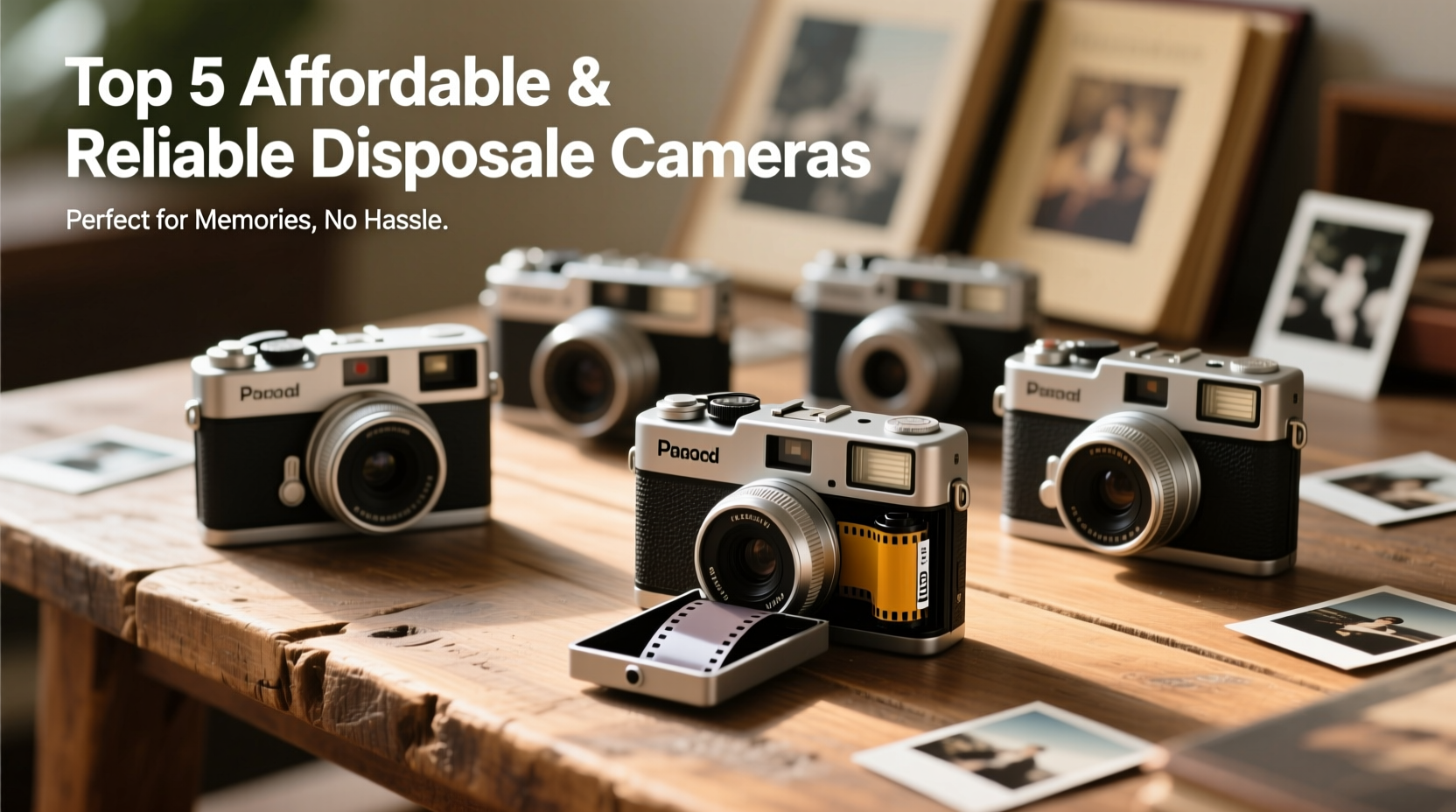
Despite their simplicity, disposable cameras serve unique purposes that smartphones and mirrorless systems can’t replicate. They encourage intentional shooting—only 24 or 27 exposures per roll mean every frame counts. There's also the thrill of delayed gratification: developing film introduces surprise and anticipation rarely felt in digital photography.
They're especially valuable in social settings. Handing out a few disposables at a wedding or festival often results in candid, unposed shots—real emotions captured without the self-consciousness that comes with smartphone selfies. Plus, they’re waterproof options for pool parties or beach days, and rugged enough to survive being passed around a crowd.
“Disposable cameras level the playing field. You don’t need to be a photographer to take a great photo—just present and curious.” — Jordan Lee, Documentary Photographer & Film Enthusiast
Top 5 Affordable and Reliable Disposable Cameras
After testing over a dozen models across lighting conditions, development quality, and build durability, these five stand out as the most dependable options under $15 each.
| Model | Price Range | Film Speed (ISO) | Exposures | Flash | Water Resistance | Best For |
|---|---|---|---|---|---|---|
| Fujifilm QuickSnap Flash | $9–$13 | 800 | 27 | Yes | No | Indoor events, low-light parties |
| Kodak FunSaver Max | $8–$12 | 800 | 27 | Yes | No | Birthday parties, concerts |
| Fujifilm Waterproof Disposable | $14–$18 | 800 | 27 | No | Yes (up to 15m) | Beaches, pools, outdoor adventures |
| Kodak Ultra Close-Up | $10–$14 | 400 | 24 | Yes | No | Daylight portraits, macro-style shots |
| Ilford XP2 Super (Black & White) | $15–$19 | 400 | 24 | No | No | Artistic shots, moody scenes |
Fujifilm QuickSnap Flash – Best All-Around Performer
This model consistently delivers crisp images indoors thanks to its powerful flash and high-speed ISO 800 film. It’s compact, lightweight, and widely available at drugstores and camera shops. The lens produces surprisingly good color saturation, especially in warm indoor lighting.
Kodak FunSaver Max – Most Budget-Friendly with Flash
For under $10, this camera punches above its weight. While slightly more prone to grain in very dark environments, it captures usable images in dimly lit rooms. Its simple design makes it easy for guests of all ages to use.
Fujifilm Waterproof – Essential for Wet Environments
If your event involves water, this is the only disposable worth considering. Sealed construction ensures no leaks up to 15 meters deep. Though it lacks a flash, daylight performance is excellent, with natural skin tones and minimal blur when handheld.
Tip: When using a non-flash disposable like the Fujifilm Waterproof, avoid shaded areas and keep the sun in front of you for best exposure.How to Get the Best Results from Your Disposable Camera
Even the best disposable won’t perform well if mishandled. Follow these steps to maximize image quality.
- Aim for consistent lighting. Avoid harsh midday sun or deep shadows. Early morning or late afternoon light yields softer, more flattering results.
- Hold steady. Disposables have slow shutter speeds. Move slowly, brace your arms, and press the button gently to reduce blur.
- Use flash wisely. Turn it on in any indoor setting—even if it seems bright. Fluorescent lights often fool the meter, leading to underexposure.
- Don’t shake the camera. Unlike Polaroids, shaking a disposable does nothing and may damage internal components.
- Develop promptly. Don’t let exposed rolls sit for months. Heat and humidity degrade film quality over time.
Where to Develop Your Film
Most major pharmacies (CVS, Walgreens) and grocery chains with photo centers still develop disposable cameras for $12–$18, including digitized scans on a CD or USB. For higher-quality scanning, consider mail-in services like The Darkroom or Richard Photo Lab, which offer detailed color correction and high-resolution files for about $20–$25 per roll.
Mini Case Study: Wedding Guest Photography Success
Sarah, a bridesmaid at her best friend’s lakeside wedding, brought three Fujifilm Waterproof disposables and handed one to each table during the reception. Guests were encouraged to pass them around and capture candid moments. One guest snapped a spontaneous shot of the couple laughing during dinner, another caught the bouquet toss mid-air, and a third documented kids dancing barefoot in the grass.
The developed photos arrived two weeks later. Despite varying skill levels, over 80% of the frames were in focus and properly exposed. The bride framed the mid-air bouquet photo as her favorite keepsake. “Those little cameras captured the energy better than any professional shot,” she said. “They felt real.”
Checklist: Before Buying or Using a Disposable Camera
- ✅ Confirm the number of exposures (24 or 27)
- ✅ Check if it has a flash (critical for indoor use)
- ✅ Verify film speed: ISO 400 for daylight, ISO 800 for mixed/low light
- ✅ Look for expiration date—avoid expired stock
- ✅ Test the shutter button before gifting or relying on it
- ✅ Buy from reputable retailers (avoid third-party sellers with unknown storage conditions)
- ✅ Keep extras on hand—people love using them once they start
Frequently Asked Questions
Can I reuse a disposable camera?
No, disposable cameras are designed for single use. While some specialty labs offer reloading services, it’s typically more expensive than buying a new one. The plastic body isn’t built for disassembly and resealing.
Do disposable cameras expire?
Yes. Most have a shelf life of 2–3 years from manufacture. After that, film sensitivity degrades, leading to foggy, discolored, or blank images. Always check the printed date on the box—ideally, use within one year of purchase.
Why are my photos blurry?
Blur usually results from camera shake or poor lighting. Disposables lack image stabilization and fast lenses. To minimize blur, hold the camera steady, use flash indoors, and avoid shooting at dusk or under artificial light without flash.
Tip: Write down the date and occasion on the camera’s exterior with a permanent marker. It helps when organizing photos later.Final Thoughts and Recommendations
The best disposable camera doesn’t need to be the most expensive—just reliable, accessible, and suited to your environment. For general indoor events, the Fujifilm QuickSnap Flash remains unmatched in value. For outdoor adventures near water, the Fujifilm Waterproof is indispensable. And if you want something different, the Ilford XP2 Super offers timeless black-and-white aesthetics with C-41 process compatibility, meaning it can be developed anywhere.
These cameras aren’t meant to replace digital gear but to complement it—offering spontaneity, nostalgia, and a tactile connection to photography that screens can’t replicate. Whether you're documenting a milestone or just exploring analog fun, choosing the right disposable makes all the difference.
🚀 Pick up a disposable camera this week—take it to your next gathering, turn off your phone, and rediscover the joy of shooting without previews. Share your favorite developed photo in the comments!








