For many riders, the dream of hitting the open road begins not with a high-end cruiser or sportbike, but with an affordable, dependable machine that delivers performance without draining savings. The best budget motorcycles strike a balance between cost, reliability, and riding enjoyment. Whether you're a first-time rider, a commuter, or someone looking for a second bike for weekend rides, there are solid options under $6,000 that offer durability, fuel efficiency, and genuine fun.
Today’s entry-level market is stronger than ever, with manufacturers refining small-displacement bikes to be more capable, safer, and easier to maintain. From nimble commuters to lightweight adventure-inspired models, these machines prove you don’t need to spend big to get a great ride.
Top 5 Affordable and Reliable Budget Motorcycles
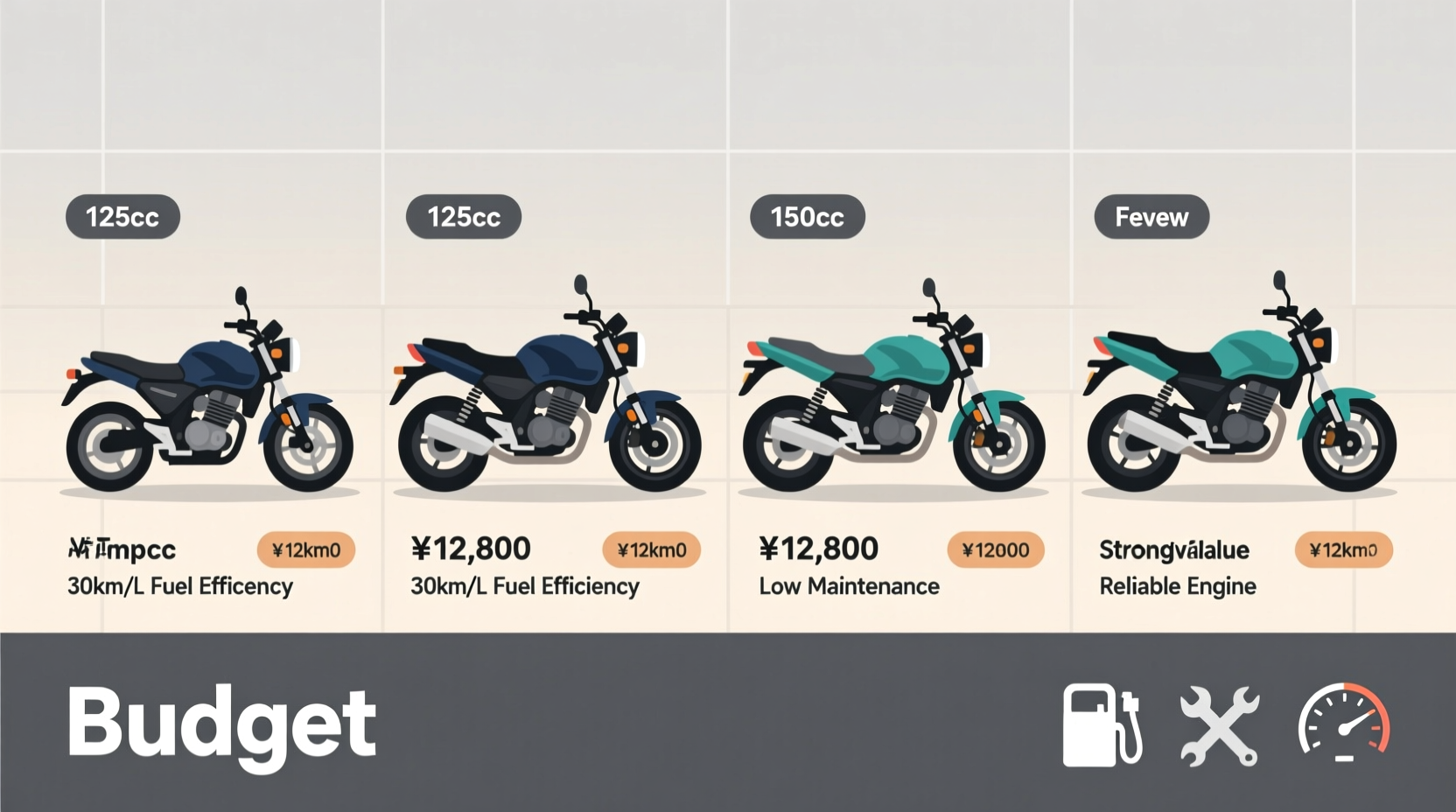
Choosing the right budget motorcycle means evaluating value beyond just price. Consider factors like maintenance costs, fuel economy, resale value, and ease of handling. Below are five standout models that consistently earn praise from riders and reviewers alike.
- Kawasaki Ninja 400 – A favorite among new and returning riders, this lightweight sportbike offers smooth power delivery, excellent fuel economy (~70 mpg), and a comfortable upright riding position. Priced around $5,500, it’s ideal for commuting and weekend twisties.
- Honda CB300R – Part of Honda’s Neo Sports Café line, the CB300R blends retro styling with modern reliability. Its 286cc single-cylinder engine is peppy yet manageable, making it perfect for city riding and light touring. MSRP: ~$5,099.
- KTM 390 Duke – Known as a “pocket rocket,” this aggressive naked bike packs advanced features like ABS, slipper clutch, and cornering lights (on newer models). At ~$5,799, it offers sporty performance in a compact frame.
- Yamaha MT-03 – With its 321cc inline-twin engine and neutral ergonomics, the MT-03 is one of the most beginner-friendly bikes on the market. Lightweight and responsive, it starts at just $5,090.
- Royal Enfield Himalayan – For those eyeing light off-road capability, this dual-sport model stands out. With a 411cc single-cylinder engine, long-travel suspension, and rugged build, it’s built for adventure. Priced at ~$5,899, it’s one of the most affordable true adventure bikes available.
What Makes a Budget Motorcycle Truly Reliable?
A low sticker price means little if the bike spends more time in the shop than on the road. True reliability comes from engineering quality, proven components, and manufacturer support. Japanese brands like Honda, Yamaha, and Kawasaki have long dominated this space due to their reputation for longevity and widespread service networks.
However, Austrian brand KTM and Indian manufacturer Royal Enfield have significantly improved build quality and customer service in recent years. Their inclusion in top budget lists reflects both innovation and growing trust among riders.
Key indicators of reliability include:
- Proven engine platforms used across multiple models
- Availability of parts and service centers
- Positive long-term ownership reviews
- Low reported mechanical failure rates
- Inclusion of safety features like ABS
“Affordability doesn’t have to mean compromise. The Ninja 400 and MT-03 are essentially bulletproof—if maintained properly, they can easily surpass 50,000 miles.” — Carlos Mendez, Motorcycle Technician & Riding Instructor
Comparison Table: Key Specs at a Glance
| Model | Engine Size | MSRP | Fuel Economy | ABS Included? |
|---|---|---|---|---|
| Kawasaki Ninja 400 | 399cc Twin | $5,599 | ~70 mpg | Yes |
| Honda CB300R | 286cc Single | $5,099 | ~75 mpg | Yes |
| KTM 390 Duke | 373cc Single | $5,799 | ~65 mpg | Yes |
| Yamaha MT-03 | 321cc Twin | $5,090 | ~70 mpg | Yes |
| Royal Enfield Himalayan | 411cc Single | $5,899 | ~55 mpg | Yes |
Note: Fuel economy varies based on riding conditions and rider behavior. Dual-sport models like the Himalayan naturally consume more fuel due to weight and tire type.
Smart Buying Tips for First-Time Riders
Purchasing your first motorcycle is exciting—but also a major responsibility. Beyond choosing the right model, consider how you’ll use it, where you’ll store it, and what ongoing costs to expect.
Tip: Look for dealer incentives or end-of-year clearance deals. Many riders upgrade quickly, leaving lightly used bikes with only a few hundred miles on them.Follow this checklist before making a purchase:
- ✅ Take a certified riding course (e.g., MSF Basic Rider Course)
- ✅ Get pre-approved for financing or confirm cash availability
- ✅ Research insurance costs by model—sportier bikes often cost more to insure
- ✅ Inspect used bikes thoroughly or buy CPO (Certified Pre-Owned)
- ✅ Prioritize bikes with ABS, especially in wet climates
- ✅ Ensure the seat height matches your inseam for confident stops
Real-World Example: Commuting on a Budget Bike
Jess T., a graphic designer from Portland, Oregon, needed reliable transportation for her 15-mile daily commute. She didn’t want to deal with public transit delays or car parking fees. After researching options, she bought a used 2021 Yamaha MT-03 for $4,800.
“I was nervous at first—never ridden before—but the MSF course gave me confidence. The MT-03 is light, easy to handle in traffic, and gets incredible mileage. I refill the tank once every two weeks. Maintenance has been minimal: oil changes, chain adjustments, and new tires after 12,000 miles. Over two years, my total ownership cost—including insurance—is less than $2,000. It’s been the smartest financial move I’ve made in years.”
Jess now leads a weekly group ride for urban commuters using similar bikes, proving that practicality and fun aren’t mutually exclusive.
Maintenance Habits That Save Money Long-Term
The cheapest motorcycle to buy isn’t always the cheapest to own. Regular care prevents costly repairs down the line. Most budget bikes require basic upkeep: oil changes, chain/belt maintenance, brake inspections, and tire checks.
Here’s a simple monthly maintenance routine:
- Check tire pressure and tread depth
- Inspect chain tension and lubrication (or belt condition)
- Test lights, horn, and turn signals
- Look for fluid leaks or loose bolts
- Wipe down the bike and clean the chain
Changing your own oil or adjusting the chain can save hundreds per year in labor fees. Many YouTube tutorials and owner forums provide step-by-step guidance tailored to specific models.
“Learning basic maintenance not only saves money—it makes you a safer, more aware rider. If you know how your bike works, you’ll notice problems before they become emergencies.” — Dana Reyes, Owner of Trailside Motorwerks
Frequently Asked Questions
Can I ride a 300–400cc bike on the highway?
Yes, most 300–400cc motorcycles are capable of sustained highway speeds (65–80 mph). However, wind protection is limited, and passing requires planning due to less acceleration than larger bikes. The Ninja 400 and MT-03 handle freeway riding well, especially with a small windshield.
Are budget motorcycles safe for beginners?
Absolutely—many are designed specifically for new riders. Features like lower seat heights, lighter weight, predictable power delivery, and standard ABS make them safer choices than powerful, heavy bikes. Proper training and protective gear are equally important.
How long do budget motorcycles typically last?
With regular maintenance, most modern budget bikes last 50,000 to 100,000 miles. Honda and Yamaha twins are known for exceeding 100,000 miles with proper care. Even singles like the KTM 390 Duke and Royal Enfield engines are durable when serviced on schedule.
Conclusion: Ride Smart, Ride Affordably
Finding the best budget motorcycle isn’t about sacrificing quality—it’s about making intelligent choices. Today’s affordable models offer impressive engineering, strong reliability, and real-world versatility. Whether you choose the sporty Ninja 400, the stylish CB300R, or the adventurous Himalayan, you’re getting a machine that can serve you well for years.
Start with proper training, prioritize safety, and stick to a maintenance schedule. These habits transform an already smart purchase into a long-term win. The road is waiting—not just for those with deep pockets, but for anyone willing to ride wisely.
💬 Have experience with a budget motorcycle? Share your story or tips in the comments—your insight could help a new rider make their first great decision.








