Protecting infants from the sun while enjoying a day at the beach is non-negotiable. Direct UV exposure can harm delicate skin, making shade essential. While umbrellas seem like an easy solution, they often fail to provide consistent coverage as the sun moves or when wind shifts. That’s where infant beach tents come in—offering full-coverage shelter, ventilation, and portability. The challenge? Finding one that’s both budget-friendly and dependable. Many parents assume quality comes at a high price, but several models deliver safety, comfort, and ease of use without breaking the bank.
Why Infant Beach Tents Are a Smart Investment
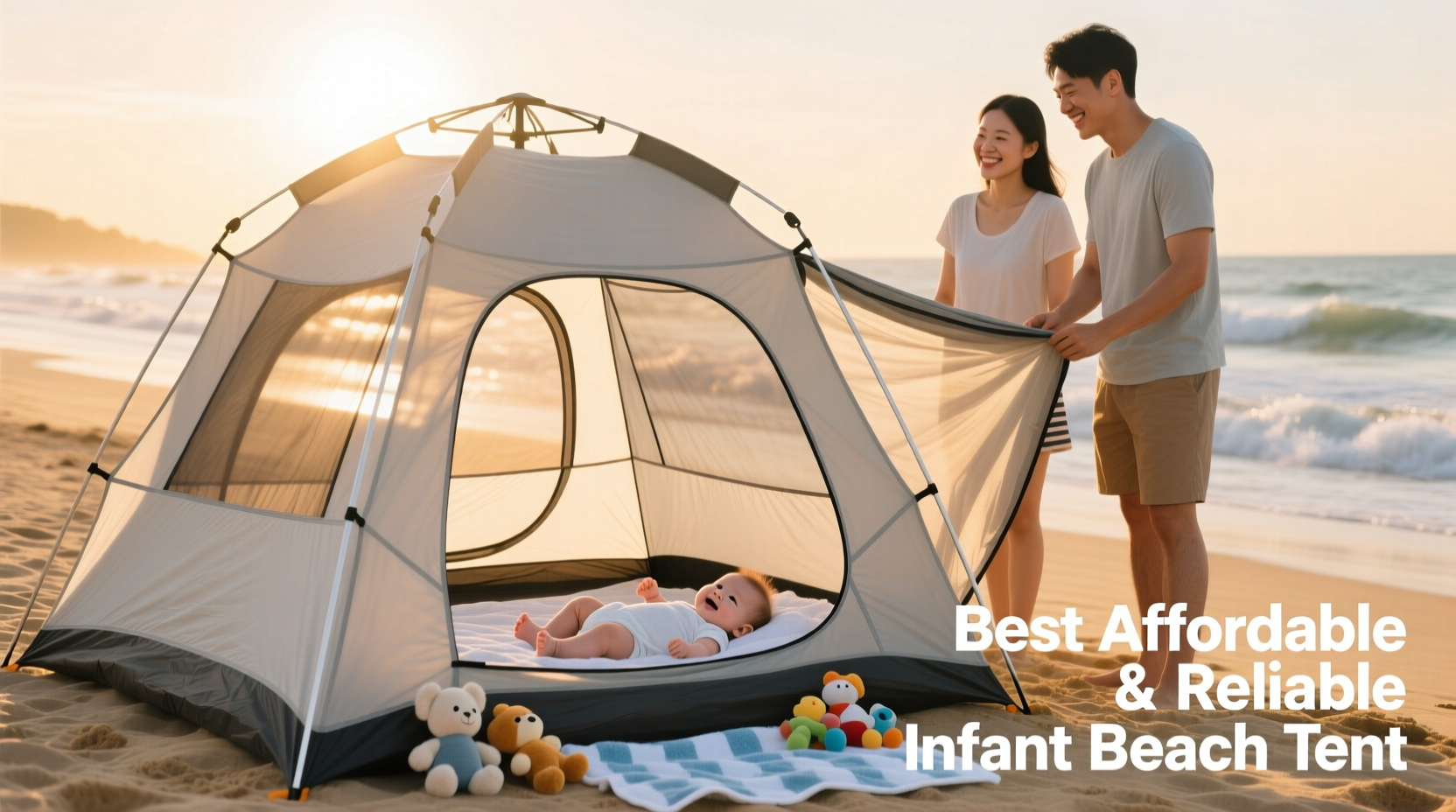
Babies under six months should be kept out of direct sunlight entirely, according to the American Academy of Pediatrics. Sunscreen isn’t recommended for infants this young, which makes physical sun protection critical. A well-designed beach tent acts as a mobile nursery on sand—blocking up to 99% of UVA and UVB rays while allowing airflow to prevent overheating.
Unlike bulky canopies or traditional pop-up shelters, infant beach tents are lightweight, compact, and often feature mesh windows for visibility and breeze circulation. They’re engineered with quick-setup mechanisms so parents aren’t struggling with poles and clips while managing a wiggly baby. Most importantly, they stay anchored in sandy conditions thanks to included stakes or sand pockets.
“Infants need more than just shade—they need a controlled micro-environment that protects them from heat, glare, and insects. A good beach tent offers all three.” — Dr. Lena Torres, Pediatric Dermatologist
Key Features to Look For in Budget-Friendly Models
Affordability doesn’t mean sacrificing performance. When shopping for an infant beach tent under $60, focus on these core features:
- UPF 50+ Fabric: This blocks over 98% of harmful UV rays. Ensure the rating applies to all panels, not just the roof.
- Ventilation: Mesh side panels or roof vents reduce heat buildup inside the tent.
- Stability: Sandbags, ground stakes, or weighted corners keep the structure upright during breezy conditions.
- Portability: Look for models that fold into carry bags and weigh under 4 lbs.
- Easy Setup: Pop-up or instant-open designs save time and frustration.
- Spacious Interior: Minimum 4 x 4 feet floor space allows room for baby, gear, and seated caregivers.
Top Affordable & Reliable Infant Beach Tent Options
The market is flooded with options, but only a few balance cost, durability, and functionality. Below is a comparison of five standout models priced under $70.
| Model | Price Range | UPF Rating | Setup Time | Weight | Special Feature |
|---|---|---|---|---|---|
| Tike Tower Beach Tent | $55–$65 | 50+ | 30 seconds (pop-up) | 3.8 lbs | 360° mesh visibility |
| QUEEN ROSE Instant Canopy | $45–$55 | 50+ | 45 seconds | 4.2 lbs | Sand pockets + stakes |
| Agreena Pop-Up Beach Shelter | $35–$45 | 50 | 1 minute | 3.5 lbs | Foldable into backpack |
| Ohuhu Kids Beach Tent | $50–$60 | 50+ | Instant pop-up | 4.0 lbs | Dual mesh doors |
| CabanaPal Mini Beach Hut | $60–$70 | 50+ | 30 seconds | 3.2 lbs | UV-sensing fabric (changes color in sunlight) |
Among these, the **Tike Tower** stands out for families who value visibility and security—its tall mesh walls let parents monitor their child from afar. Meanwhile, **Agreena** wins on price and packability, ideal for travelers. For innovation, **CabanaPal** includes smart UV-reactive fabric, helping parents visually confirm shaded areas.
Real-World Example: A Weekend at Ocean City
Jamie, a mother of a 5-month-old, recently visited Ocean City with her extended family. She’d previously used a large umbrella, but it collapsed twice due to wind, leaving her baby exposed. This year, she invested in the Ohuhu Kids Beach Tent after reading reviews highlighting its dual-door design and sturdy poles.
She set it up in under a minute, anchoring it with four sandbags filled from the shoreline. Her daughter napped comfortably inside while Jamie sat nearby, able to see through the mesh and reach in easily. Even during a midday gust, the tent held firm. “It paid for itself in peace of mind,” Jamie said. “I didn’t have to wake her every 20 minutes to reposition the umbrella.”
Step-by-Step Guide to Choosing and Using Your Infant Beach Tent
- Assess Your Needs: Will you travel with it frequently? Do you need space for two adults? Prioritize weight and size accordingly.
- Check UPF Certification: Verify that the manufacturer specifies UPF 50+ and that it's independently tested.
- Read Real User Reviews: Focus on comments about wind resistance, durability after multiple uses, and ease of folding.
- Pack Smart: Bring extra stakes if your model supports them, even if sandbags are included. Also pack a small towel to place inside for added comfort.
- Set Up Early: Install the tent before your baby gets fussy. Choose a spot slightly above the tide line and away from foot traffic.
- Maintain It: Rinse off saltwater and sand after each use. Let it dry fully before storing to prevent mold.
Common Mistakes Parents Make
- Using damaged tents: Small tears compromise UV protection. Repair or replace immediately.
- Leaving babies unattended: Even in a secure tent, constant supervision is crucial.
- Ignoring wind forecasts: On breezy days, double-anchor with stakes and sandbags.
- Overloading the interior: Too many toys or blankets restrict airflow and create tripping hazards.
- Storing wet: Damp fabric breeds mildew and weakens stitching over time.
Frequently Asked Questions
Can I use a beach tent on concrete or grass?
Absolutely. While designed for sand, most beach tents work on any surface. Use additional stakes or heavy items (like tote bags) in the corners to secure them on grass or pavement.
Are cheaper beach tents safe for newborns?
Yes, provided they meet UPF 50+ standards and have proper ventilation. Price doesn’t always correlate with safety—check third-party testing data and customer feedback for reliability.
How long do budget beach tents typically last?
With proper care, most last 2–3 beach seasons. Frequent exposure to saltwater, sand abrasion, and improper storage shorten lifespan. Hand-washing and air-drying extend durability.
Final Thoughts and Action Steps
Finding an affordable yet reliable infant beach tent isn’t about settling—it’s about being informed. With so many well-engineered options under $70, there’s no reason to risk your baby’s sun safety or endure complicated setups. Whether you choose the ultra-portable Agreena or the feature-rich CabanaPal, prioritize UPF protection, stability, and usability.
Start by measuring your typical beach gear setup and compare it to tent dimensions. Then, shortlist three models based on your climate and usage patterns. Watch video demos, read verified buyer reviews, and consider purchasing during off-season sales for maximum savings.
🚀 Your next stress-free beach day starts with the right shelter. Pick a tent from this guide, test it at home, and enjoy the sunshine—safely.








