
When a head cold strikes, symptoms like nasal congestion, sore throat, headache, and fatigue can quickly derail your day. While over-the-counter medications offer temporary relief, what you eat plays a crucial role in supporting your immune system and speeding up recovery. The good news? You don’t need expensive supplements or specialty foods. Some of the most effective remedies are already in your kitchen—simple, budget-friendly, and backed by nutritional science.
Foods rich in vitamins, antioxidants, and anti-inflammatory compounds help reduce symptom severity and duration. This guide explores affordable, accessible, and scientifically supported dietary choices that provide real relief during a head cold—without breaking the bank.
Nutritional Foundations for Cold Recovery
Your body works overtime when fighting a viral infection. Immune cells require energy, protein, and micronutrients to function effectively. A diet lacking in essential nutrients can prolong illness, while strategic food choices support faster healing.
Key nutrients involved in immune defense include:
- Vitamin C: Enhances white blood cell production and acts as an antioxidant.
- Zinc: Reduces the duration of colds when taken early; supports mucosal immunity.
- Vitamin D: Modulates immune responses; deficiency is linked to increased respiratory infections.
- Quercetin: A plant flavonoid with antiviral and anti-inflammatory properties.
- Hydration-supporting electrolytes: Sodium, potassium, and magnesium help maintain fluid balance and reduce mucus viscosity.
The goal isn’t to consume megadoses of supplements but to incorporate whole foods naturally rich in these elements. These foods are not only cost-effective but also gentle on digestion—important when appetite wanes during illness.
Tip: Start your day with warm lemon water—low-cost, hydrating, and rich in vitamin C to kickstart immune activity.Top 5 Affordable Foods for Head Cold Relief
You don’t need exotic superfoods. The following items are widely available, inexpensive (especially when bought in bulk or seasonally), and highly effective in alleviating cold symptoms:
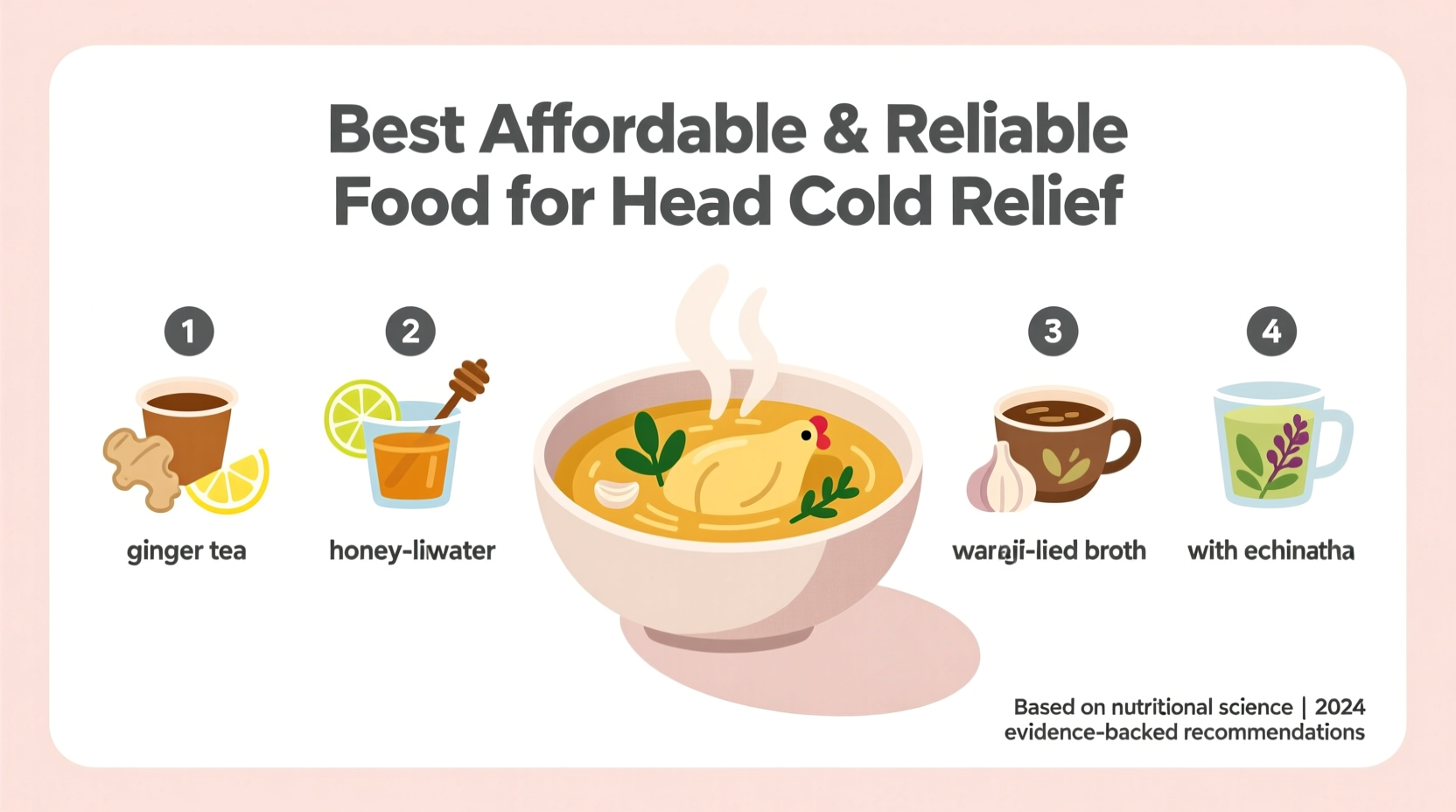
- Chicken Soup – Long celebrated as a home remedy, chicken soup has real therapeutic value. It contains cysteine (released from chicken during cooking), which thins mucus, and provides hydration, protein, and electrolytes. Studies show it may also slow neutrophil migration, reducing inflammation in the upper airways.
- Ginger – A powerful anti-inflammatory and antimicrobial root. Simmer fresh ginger slices in hot water for tea, or add grated ginger to soups. It soothes sore throats and helps relieve sinus pressure.
- Garlic – Contains allicin, a compound with antiviral and antibacterial effects. Crush raw garlic and let it sit for 10 minutes before consuming to activate allicin. Add to broths or toast for flavor and immune support.
- Citrus Fruits (Oranges, Lemons, Grapefruits) – High in vitamin C and flavonoids that enhance immune cell function. Even modest increases in vitamin C intake during a cold can reduce symptom duration.
- Oats – A comforting, easy-to-digest source of beta-glucan, a fiber shown to enhance macrophage activity. Top with honey and cinnamon for added soothing and antimicrobial benefits.
These staples typically cost under $3 per serving and can be combined into meals that support both symptom relief and long-term wellness.
Smart Swaps: What to Eat Instead of Common Comfort Foods
It’s tempting to reach for sugary snacks or processed comfort foods when feeling unwell. However, high sugar intake suppresses immune cell activity within minutes and can worsen inflammation.
| Common Choice | Why It’s Problematic | Better Alternative |
|---|---|---|
| Soda or sweetened juice | High sugar content weakens immune response | Herbal tea with lemon and honey |
| White toast with jam | Refined carbs spike blood sugar; low nutrient density | Whole grain toast with mashed banana and cinnamon |
| Canned ravioli or mac & cheese | High in sodium and preservatives; lacks immune-supportive nutrients | Homemade chicken and vegetable soup |
| Ice cream | Dairy may increase mucus thickness in sensitive individuals | Frozen yogurt with berries or homemade fruit sorbet |
Switching to nutrient-dense alternatives doesn’t have to be expensive. Buying frozen vegetables, dried herbs, and bulk grains ensures affordability while maximizing health impact.
Real Example: Maria’s 72-Hour Cold Recovery Plan
Maria, a 34-year-old teacher, caught a head cold after a school outbreak. Rather than relying solely on decongestants, she followed a food-first strategy using pantry staples:
- Day 1: Started with ginger-lemon tea and oatmeal topped with sliced oranges. For lunch, she made a quick chicken noodle soup using leftover rotisserie chicken and frozen vegetables. Dinner was a simple garlic sauté with brown rice and steamed broccoli.
- Day 2: Continued fluids with herbal teas and bone broth. Added a boiled egg and avocado toast for protein and healthy fats. Used honey in warm water to soothe her throat.
- Day 3: Symptoms improved significantly. She reintroduced light activity and maintained hydration. By evening, nasal congestion had decreased, and energy returned.
Total food cost: under $15. No new groceries were needed—everything came from her usual weekly shop. “I felt better faster than I expected,” she said. “Eating well didn’t cure the cold, but it definitely helped me cope and recover quicker.”
“Nutrition is the foundation of immune resilience. Simple foods like garlic, ginger, and broth aren’t just traditional—they’re physiologically active in supporting recovery.” — Dr. Lena Patel, Integrative Nutrition Specialist
Step-by-Step Guide: Building a Cold-Fighting Meal Plan on a Budget
Follow this practical timeline to structure your meals during the first 3 days of a head cold:
- Day 1 – Focus on Hydration and Soothing Foods
- Morning: Warm lemon water + oatmeal with cinnamon
- Lunch: Chicken or vegetable broth with cooked carrots and celery
- Afternoon: Ginger tea with a spoonful of honey
- Evening: Scrambled eggs with spinach and whole grain toast
- Day 2 – Boost Immune Nutrients
- Morning: Orange slices + plain yogurt with chia seeds
- Lunch: Lentil soup with garlic and tomatoes
- Afternoon: Herbal tea + banana with almond butter
- Evening: Baked salmon or tofu with quinoa and steamed broccoli
- Day 3 – Rebuild Energy and Digestion
- Morning: Smoothie with frozen berries, spinach, banana, and oats
- Lunch: Whole wheat wrap with hummus, shredded cabbage, and cucumber
- Afternoon: Chamomile tea + a hard-boiled egg
- Evening: Stir-fry with lean protein, mushrooms, and bell peppers
FAQ: Common Questions About Food and Cold Relief
Can honey really help with a sore throat?
Yes. Honey has natural antimicrobial properties and forms a protective coating over irritated throat tissues. Studies show it can reduce cough frequency and severity, especially at night. Use 1–2 teaspoons in warm tea or water. (Note: Not safe for children under 1 year.)
Is it okay to eat dairy when I have a cold?
Dairy doesn’t increase mucus production, despite popular belief, but it may thicken existing mucus, making it feel more uncomfortable for some people. If you notice this effect, opt for lactose-free milk, almond milk, or reduce intake temporarily.
How much vitamin C do I need when sick?
While the RDA is 75–90 mg/day, increasing intake to 200 mg daily during a cold may shorten duration. One medium orange provides about 70 mg; a cup of red bell pepper offers over 200 mg. Supplements aren’t necessary if you eat a variety of fruits and vegetables.
Conclusion: Nourish Your Way Back to Health
When battling a head cold, every meal is an opportunity to support your body’s natural defenses. Affordable, everyday foods—like chicken soup, ginger tea, citrus fruits, and oats—are not just comforting; they’re scientifically grounded tools for recovery. You don’t need costly supplements or specialty products to feel better.
By focusing on hydration, nutrient density, and anti-inflammatory ingredients, you empower your immune system to work efficiently. Small changes in what you eat can lead to meaningful improvements in how you feel.
💬 Start today: Next time a cold hits, reach for your kitchen instead of the medicine cabinet first. Share your favorite home remedy in the comments—your tip could help someone else recover faster.








