
Smartphones are essential tools in daily life—used for communication, work, navigation, and entertainment. Yet they remain vulnerable to drops, scratches, water exposure, and everyday wear. While high-end protection exists, not everyone needs or wants to spend $80 on a case. The good news is that effective, durable phone protection doesn’t have to break the bank. With thoughtful choices, consumers can find solutions that offer strong defense at accessible prices.
Understanding Real-World Phone Risks
Before investing in protection, it's important to understand what your phone actually faces. Most damage comes from three sources: impact from drops, surface scratches, and accidental liquid exposure. Studies show that over 70% of smartphone owners experience at least one drop per year, with many occurring from waist or pocket height onto hard surfaces like tile or concrete.
Scratches often accumulate gradually from keys, coins, or rough surfaces in pockets and bags. Liquid damage, while less frequent, remains a leading cause of irreparable failure. Knowing these risks helps prioritize which features matter most in a protective solution.
“Most people assume their phone will survive a fall because it has a case—but not all cases are created equal. Impact absorption, edge coverage, and material quality make a critical difference.” — David Lin, Mobile Device Engineer at TechShield Labs
Budget-Friendly Case Types That Deliver Value
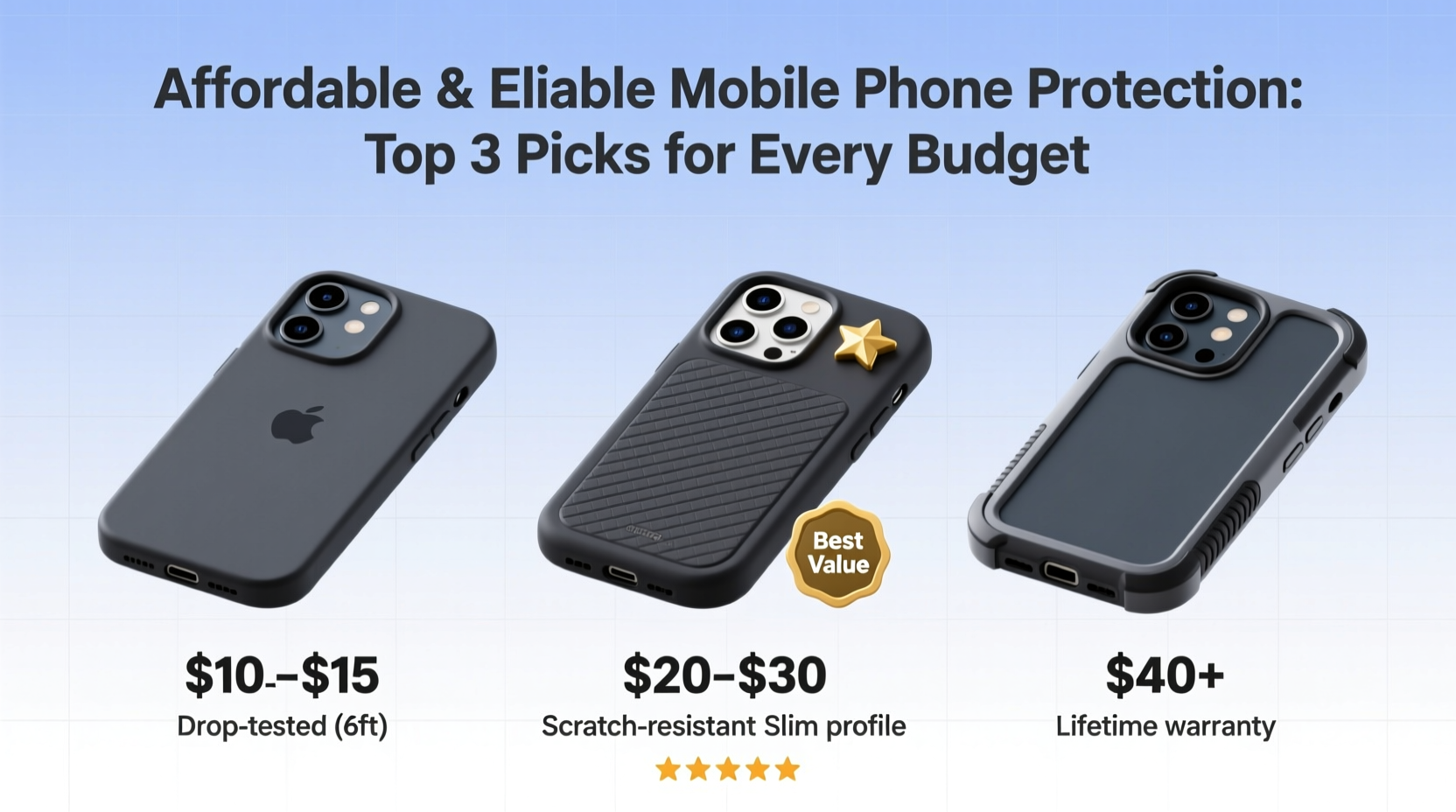
Not all phone cases are priced fairly relative to their performance. Some budget models outperform premium ones in independent drop tests. Here are the most cost-effective types worth considering:
- TPU (Thermoplastic Polyurethane) Cases: Flexible, shock-absorbent, and typically priced under $15. TPU molds closely to your phone and absorbs impact through elasticity.
- Hybrid Cases (TPU + Polycarbonate): Combine a soft inner TPU layer with a rigid outer shell. These offer excellent drop protection and are widely available for under $20.
- Folio Cases with Auto-Sleep Function: Ideal for those who carry phones in bags. The front flap protects the screen and doubles as a stand. Many quality folios are available for $12–$18.
Screen Protectors: Tempered Glass vs. Plastic
A cracked screen accounts for nearly half of all phone repairs. A good screen protector is non-negotiable—even with a sturdy case. Two main types dominate the market:
| Type | Price Range | Pros | Cons |
|---|---|---|---|
| Tempered Glass | $6–$15 | High scratch resistance, smooth touch feel, shatter-safe design | Can crack under heavy impact; installation errors common |
| Plastic Film | $3–$8 (packs of 2–3) | Cheap, easy to apply, flexible | Scratches easily, feels rubbery, yellowing over time |
For long-term value, tempered glass is the better investment. Even entry-level brands like JETech, amFilm, and ESR offer reliable products with 9H hardness ratings—meaning they resist scratches from metal objects and keys. Proper installation using alignment trays significantly improves success rates.
Step-by-Step Guide to Installing a Tempered Glass Screen Protector
- Wash your hands thoroughly to avoid transferring oils to the screen.
- Power off the phone completely.
- Use the included alcohol wipe to clean the screen, then dry with the microfiber cloth.
- Peel the adhesive backing from the protector slowly, aligning it using the dust remover sticker if provided.
- Place the protector starting from the top, letting it settle downward to avoid bubbles.
- If bubbles appear, press gently with a flat card (like a credit card) to push them out toward the edges.
- Let it sit for 10–15 minutes to fully adhere before use.
Real Example: Sarah’s Three-Year iPhone Journey
Sarah, a freelance photographer in Portland, uses her iPhone daily for client calls, editing, and navigation. She wanted protection without spending over $30 total. She chose a $14 hybrid case from Spigen (Rugged Armor model) and a $10 amFilm tempered glass screen protector.
Over three years, her phone survived multiple drops—once down a flight of stairs and another into a puddle. The case absorbed the impacts, and the screen remained intact. She replaced the screen protector twice due to micro-scratches but kept the same case throughout. Total spent: $34. Repair savings: over $250.
This example shows that thoughtful, budget-conscious choices can yield long-term reliability.
Essential Accessories That Boost Protection
Protection isn’t limited to cases and screen covers. Several inexpensive accessories enhance safety:
- PopSockets or Grip Rings ($8–$12): Improve grip and reduce slip risk. Can be removed without residue.
- Waterproof Pouches ($10–$15): Useful for beach trips, hiking, or rainy commutes. Look for IPX8-rated seals.
- Car Mounts with Locking Mechanisms ($18–$25): Prevent accidental drops while driving.
These additions address specific vulnerabilities without requiring expensive all-in-one solutions.
Checklist: Building an Affordable Protection Plan
Follow this checklist to ensure comprehensive, cost-effective phone defense:
- ✅ Choose a hybrid or TPU case with full edge coverage
- ✅ Install a 9H tempered glass screen protector
- ✅ Apply the protector in a clean, dust-free space
- ✅ Add a PopSocket or wrist strap for better grip
- ✅ Use a waterproof pouch during outdoor activities
- ✅ Avoid cheap silicone or ultra-thin \"fashion\" cases—they offer minimal impact protection
- ✅ Replace worn protectors promptly to maintain defense
Frequently Asked Questions
Are generic brand cases safe to use?
Many generic cases perform well, especially those made from TPU or polycarbonate. However, check user reviews focusing on fit, button responsiveness, and durability. Poorly made cases may discolor quickly or crack after minor drops.
Do I need a new screen protector after every drop?
Only if it’s visibly cracked or affects touch sensitivity. Tempered glass is designed to absorb impact by cracking so the actual screen stays intact. If undamaged, it can continue protecting.
Can I use wireless charging with a case on?
Yes, most TPU and hybrid cases under 3mm thickness allow wireless charging. Avoid bulky wallet cases or metal-reinforced designs unless explicitly labeled as compatible.
Final Thoughts: Smart Protection Doesn’t Require Big Spending
The best mobile phone protection strategy balances affordability, functionality, and peace of mind. You don’t need the most expensive gear to keep your device safe. By selecting a well-reviewed hybrid case, applying a quality tempered glass screen protector, and adding simple grip or waterproof accessories when needed, you create a robust defense system for under $30.
Long-term phone care isn’t about reacting to damage—it’s about preventing it consistently. Small investments now save hundreds later in repair costs or early replacements. Whether you’re using a flagship device or a mid-range model, treating it with practical protection makes financial and functional sense.
💬 What’s your go-to phone protection combo? Share your favorite budget-friendly finds and help others build smarter defenses!