
Bright lighting transforms spaces—making rooms feel larger, tasks easier, and homes safer. But finding bulbs that deliver intense illumination without inflating your electricity bill or failing prematurely can be a challenge. The market is flooded with options, from basic incandescents to smart LEDs, but not all promise both brightness and value. The key lies in understanding what makes a bulb truly bright, how technology affects performance, and where to find dependable yet budget-friendly models.
This guide cuts through the noise, focusing on real-world solutions that balance lumen output, energy efficiency, lifespan, and cost. Whether you're upgrading a home office, illuminating a garage, or brightening a dim hallway, these recommendations are grounded in performance data, consumer feedback, and expert insights.
What Makes a Light Bulb “Bright”?
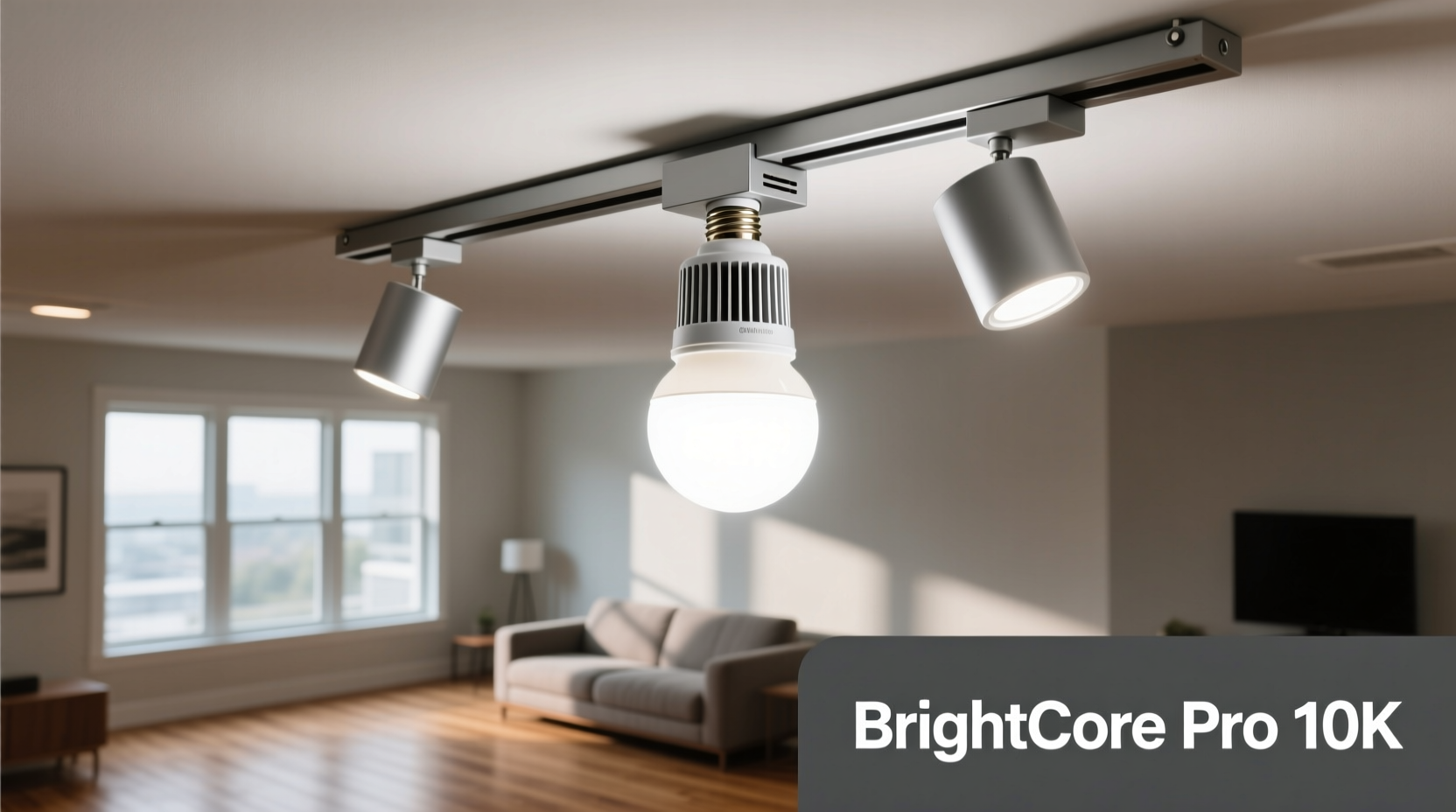
Brightness isn’t about wattage—it’s measured in lumens. While older consumers associate high wattage with brightness, modern LED technology produces more light using far less power. For example, a traditional 60-watt incandescent bulb emits about 800 lumens. Today, an LED bulb can achieve the same output using only 8–10 watts.
To ensure sufficient brightness:
- Look for bulbs with at least 800 lumens for general use.
- For task lighting (kitchens, garages, workshops), aim for 1,100 to 1,600 lumens.
- Choose a color temperature between 4000K and 5000K for crisp, daylight-like clarity.
“Lumens tell you how much light you’re getting; watts tell you how much it costs to run. Focus on lumens per watt for true efficiency.” — Dr. Alan Reyes, Lighting Systems Engineer, National Institute of Energy Efficiency
Top Affordable & Reliable Bright Bulb Options
The following bulbs consistently rank high in consumer reports, durability tests, and price-performance comparisons. All are widely available online and in hardware stores, with multi-packs offering even greater savings.
| Bulb Model | Lumens | Watts | Lifespan | Price per Bulb (Pack of 6) |
|---|---|---|---|---|
| Sylvania Ultra LED | 1100 | 10.5W | 13,000 hours | $3.15 |
| Philips 75W Equivalent LED | 1100 | 9.5W | 15,000 hours | $3.60 |
| GE Reveal HD+ Bright Daylight | 1250 | 12W | 15,000 hours | $4.20 |
| Amazon Basics A19 LED | 800 | 9W | 10,000 hours | $2.30 |
| Corsica Daylight LED | 1600 | 18W | 25,000 hours | $5.50 |
Among these, the Sylvania Ultra and Amazon Basics models stand out for delivering strong brightness at the lowest cost. GE Reveal HD+ is ideal for those prioritizing visual clarity, thanks to its enhanced color contrast technology. Corsica offers premium performance for high-use areas like basements or utility rooms.
Tip: Always check the Lighting Facts label—the standardized chart required on U.S. bulb packaging—to compare lumens, estimated yearly cost, and lifespan before buying.How to Choose the Right Brightness for Each Room
Not every space needs maximum brightness. Over-lighting can cause glare and discomfort. Match the bulb’s output to the room’s function:
- Kitchen: Use 1000–1600 lumens under cabinets or over islands for food prep. Recessed ceiling lights should total 3,000–4,000 lumens for an average-sized kitchen.
- Bathroom: Vanity lighting benefits from 800–1100 lumens with a 4000K color temperature for accurate grooming.
- Garage/Workshop: Aim for 1500+ lumens per fixture. Consider high-output LEDs or linear strip lights for even coverage.
- Living Room: Brightness should be adjustable. Use 800-lumen bulbs in floor lamps and pair with dimmers for ambiance.
- Home Office: Task lighting near desks should provide 1000+ lumens to reduce eye strain during long work sessions.
Real Example: Brightening a Basement Workspace
Mark, a freelance graphic designer in Denver, converted his dim basement into a home studio. Initially lit with two 60-watt incandescents (about 1,600 total lumens), he struggled with screen glare and shadows. After replacing them with four Sylvania Ultra LED bulbs (1,100 lumens each), total illumination jumped to 4,400 lumens. He added semi-flush ceiling fixtures and used 5000K bulbs for a daylight effect. The upgrade cost under $20, reduced energy use by 85%, and eliminated the need for supplemental lamps.
Step-by-Step Guide to Upgrading Your Home Lighting
Switching to bright, efficient bulbs doesn’t have to be overwhelming. Follow this practical sequence:
- Inventory your current bulbs: Note socket types (E26 standard, GU10, etc.), wattage, and location.
- Determine brightness needs: Use the room-specific guidelines above to select appropriate lumen levels.
- Pick a color temperature: Stick to 4000K–5000K for bright, alert environments. Avoid 2700K (warm white) in task areas.
- Compare lifetime costs: A $3 bulb lasting 15,000 hours is cheaper long-term than a $2 bulb lasting 8,000 hours.
- Buy in bulk: Multi-packs reduce per-unit cost by up to 40%. Replace multiple bulbs at once for consistent lighting.
- Install and test: Turn off power if working with fixtures. Allow 10 minutes for full brightness stabilization in some LEDs.
- Evaluate and adjust: After one week, assess comfort and functionality. Swap out any bulbs that feel too harsh or dim.
Avoid These Common Lighting Mistakes
Even with quality bulbs, poor choices can undermine results. Steer clear of these pitfalls:
- Mixing color temperatures: Using warm white (2700K) and daylight (5000K) bulbs in the same open-plan area creates visual imbalance.
- Ignoring CRI (Color Rendering Index): A CRI below 80 makes colors look dull. For accuracy, choose bulbs with CRI ≥ 90, especially in kitchens and bathrooms.
- Overlooking dimmer compatibility: Not all LEDs work with existing dimmer switches. Check packaging for “dimmable” labels and compatible switch lists.
- Installing high-lumen bulbs in enclosed fixtures: Heat buildup shortens LED lifespan. Use only bulbs rated for enclosed fixtures in such locations.
Frequently Asked Questions
Are brighter bulbs more expensive to run?
Not necessarily. A bright LED with high lumens per watt (e.g., 100+ lm/W) uses less energy than a dimmer incandescent. For example, a 1600-lumen LED at 18W consumes less than half the power of an old 100W incandescent producing 1600 lumens.
Can I use daylight bulbs in living rooms?
You can, but consider the atmosphere. Daylight (5000K+) feels energizing but may seem too clinical for relaxation. Use warmer tones (2700K–3000K) in living rooms and bedrooms unless you specifically want a focused, alert environment.
How long do bright LED bulbs really last?
Most quality LEDs are rated for 15,000 to 25,000 hours. At 3 hours of daily use, that’s 14 to 23 years. Real-world lifespan depends on ventilation, usage cycles, and power stability. Bulbs in frequently switched fixtures may degrade faster.
Final Checklist Before You Buy
Before purchasing bright light bulbs, confirm the following:
- ✅ Lumens meet the room’s functional needs
- ✅ Color temperature is appropriate (4000K–5000K for brightness)
- ✅ CRI is 90 or higher for accurate color rendering
- ✅ Bulb is rated for your fixture type (enclosed, damp location, etc.)
- ✅ Dimmable if used with a dimmer switch
- ✅ Backed by a warranty (minimum 3 years)
- ✅ Purchased in multi-packs for cost savings
Conclusion
High-quality, bright lighting no longer requires premium prices. With advancements in LED technology, homeowners can access powerful, long-lasting illumination at accessible price points. Brands like Sylvania, Philips, and Amazon Basics prove that affordability and reliability aren’t mutually exclusive. By focusing on lumens, color temperature, and build quality, you can transform your home’s lighting with confidence and economy.
🚀 Start tonight: Replace one frequently used dim bulb with a high-lumen LED. Experience the difference in clarity and energy savings—and make the rest of your home just as bright.








