A vehicle’s electrical system is the silent engine behind modern driving. From starting the ignition to powering infotainment systems, everything relies on stable voltage. When battery or alternator issues arise, a reliable automotive voltmeter becomes essential—not just for mechanics, but for any driver who values preparedness. The right tool helps diagnose problems early, prevent breakdowns, and extend the life of critical components. Fortunately, you don’t need to spend hundreds to get accurate readings. This guide explores the most affordable yet dependable voltmeters available today, tailored to different needs and vehicles—from compact cars to heavy-duty trucks.
Why Every Driver Needs a Voltmeter
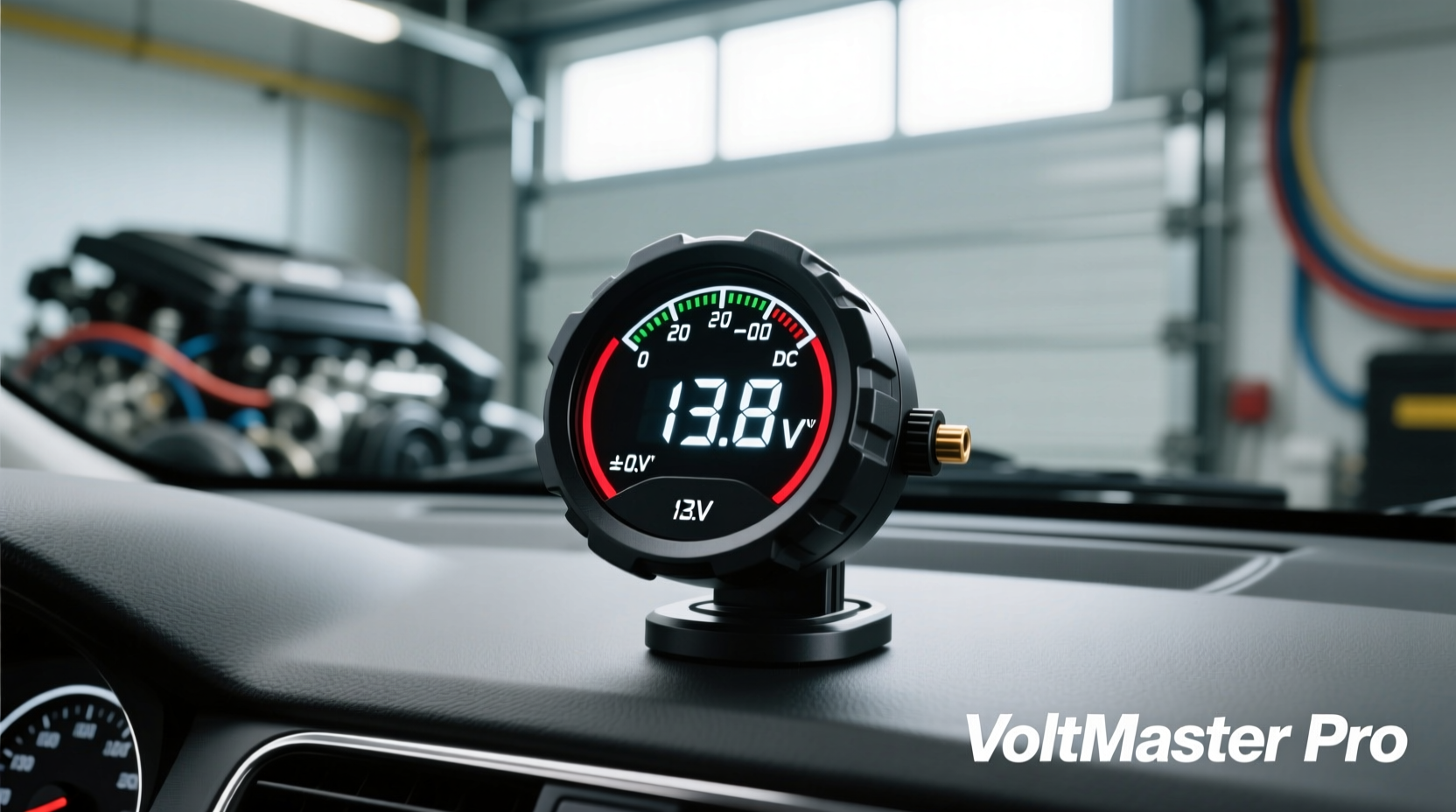
Most drivers only think about their car’s battery when it fails. However, gradual voltage drops, alternator wear, or parasitic drains can go unnoticed until they leave you stranded. A voltmeter allows you to measure the health of your charging system in real time. A fully charged battery should read around 12.6 volts at rest and between 13.7–14.7 volts when the engine runs. Deviations from these ranges signal potential trouble.
Regular testing with a voltmeter helps catch issues before they escalate. For example, a reading below 12.4 volts at rest suggests a weak battery. A voltage above 15 volts while running may indicate an overcharging alternator, which can damage electronics. With a $20 tool, you can avoid hundreds in unnecessary repairs or towing fees.
Tip: Test your battery voltage once a month, especially before long trips or during extreme weather.Top 5 Affordable & Reliable Automotive Voltmeters
The market offers dozens of voltmeters, but not all deliver consistent accuracy or durability. After evaluating performance, user feedback, and price-to-function ratio, these five models stand out as the best value choices across different use cases.
| Model | Price Range | Key Features | Best For |
|---|---|---|---|
| Klein Tools NCVT-1P Non-Contact Voltage Tester | $15–$20 | Detects AC/DC voltage without contact, LED indicators, rugged design | Quick safety checks, basic diagnostics |
| INNOVA 3320 Auto-Ranging Digital Multimeter | $35–$45 | Voltage, resistance, continuity; auto-ranging, backlit display | DIYers needing multi-function tools |
| AstroAI Dual Display Digital Multimeter | $25–$30 | Simultaneous voltage/current readings, overload protection, compact | Beginners and intermediate users |
| TACKLIFE DM02A Digital Multimeter | $30–$38 | True RMS, data hold, non-contact voltage detection | Precise readings in fluctuating conditions |
| ELECAOTA Battery Terminal Voltmeter (Hardwired) | $18–$22 | Permanent install, real-time dashboard voltage monitoring | Truck owners, RVs, frequent drivers |
Choosing Based on Use Case
- For quick checks: The Klein NCVT-1P is ideal. It detects live circuits without direct contact—perfect for checking fuses or confirming power flow.
- For detailed diagnostics: The INNOVA 3320 offers excellent accuracy and ease of use, making it a favorite among home mechanics.
- For continuous monitoring: The ELECAOTA hardwired voltmeter gives constant feedback, helping you spot charging issues the moment they occur.
“Voltage instability is one of the top hidden causes of electronic failures in modern vehicles. A simple voltmeter check can save thousands in diagnostic costs.” — Carlos Mendez, ASE-Certified Master Technician
How to Use a Voltmeter: Step-by-Step Guide
Using a voltmeter correctly ensures accurate results and prevents damage to your vehicle or the tool. Follow this sequence for safe and effective testing.
- Turn off the engine and remove the key. Open the hood and locate the battery.
- Clean the terminals if corroded. Use a wire brush to ensure good contact.
- Set your multimeter to DC voltage (usually denoted by V⎓ or VDC). Choose a range above 20V if not auto-ranging.
- Connect the probes: Red to positive (+), black to negative (–) terminal.
- Record the resting voltage. A healthy battery reads 12.4–12.7V.
- Start the engine and recheck. Voltage should rise to 13.7–14.7V.
- Check under load: Turn on headlights and A/C. Voltage should remain above 13.0V.
- Interpret results: Low resting voltage = weak battery. High running voltage = faulty regulator.
Real-World Example: Preventing a Breakdown
Mark, a delivery driver in Colorado, installed the ELECAOTA hardwired voltmeter on his aging sedan after noticing dimming lights. One morning, the display dropped to 11.9V while driving. He pulled over and used a portable multimeter to confirm the alternator wasn’t charging properly. Instead of waiting for total failure on the highway, he drove directly to a mechanic. The alternator was replaced the same day for $180. Without the voltmeter alert, he could have faced a costly tow, rental car, and lost income.
This scenario highlights how affordable tools provide outsized returns in reliability and peace of mind—especially for those relying on their vehicles daily.
Common Mistakes to Avoid
- Using AC mode instead of DC – Leads to incorrect readings.
- Ignoring probe condition – Frayed wires or dirty tips reduce accuracy.
- Testing only at rest – A battery can show good voltage but fail under load.
- Overlooking connection points – Poor contact at terminals mimics low voltage.
- Assuming all cheap meters are unreliable – Many budget models perform well when used correctly.
FAQ
Can I use a voltmeter to test other car components?
Yes. Beyond the battery and alternator, you can test sensors, switches, relays, and wiring continuity. A multimeter with resistance (ohms) and continuity settings expands diagnostic capability significantly.
Is a digital voltmeter better than an analog one?
Digital models offer greater precision, easier reading, and additional features like auto-ranging and data hold. Analog meters are less common now and more prone to parallax error. For automotive use, digital is recommended.
Do I need a professional-grade meter for my car?
Not necessarily. While pro meters offer higher accuracy and durability, many consumer-grade tools meet ANSI standards and are sufficient for routine checks. Focus on reliability, safety ratings (CAT II or III), and clear specifications.
Essential Checklist Before Buying a Voltmeter
- ✅ Measures DC voltage accurately (essential for cars)
- ✅ Auto-ranging feature (simplifies use)
- ✅ Backlit display (helpful in dark engine bays)
- ✅ Overload protection (prevents internal damage)
- ✅ Durable probes and leads (resistant to heat and abrasion)
- ✅ Safety certification (look for CAT II or CAT III rating)
- ✅ Includes basic functions like continuity or resistance (for future troubleshooting)
Conclusion: Invest in Knowledge, Not Just Tools
Monitoring your vehicle’s electrical system doesn’t require expensive equipment or technical training. An affordable voltmeter puts actionable insights in your hands, turning uncertainty into confidence. Whether you choose a simple non-contact tester or a full-featured multimeter, the key is consistency—regular checks reveal trends that single tests miss. By understanding what your readings mean and acting early, you protect your investment and stay mobile.
🚀 Take control of your car’s health today. Pick a voltmeter from this list, learn how to use it, and never face a preventable breakdown again. Share your experience or ask questions in the comments—let’s build a smarter driving community together.








