Bringing greenery into your home or office doesn’t always require a green thumb. Artificial plants have evolved dramatically in recent years—offering lifelike textures, realistic colors, and durable construction at prices that make them accessible to nearly every budget. Whether you're dealing with low-light spaces, frequent travel, or simply want to reduce maintenance, high-quality faux greenery is a smart alternative. The key lies in selecting options that balance realism, durability, and affordability.
This guide focuses on practical, budget-conscious choices that don’t sacrifice appearance. From potted floor plants to delicate trailing vines, we’ll explore top-performing artificial greenery available today, along with tips to help you choose wisely and style effectively.
What Makes Artificial Greenery Look Realistic?
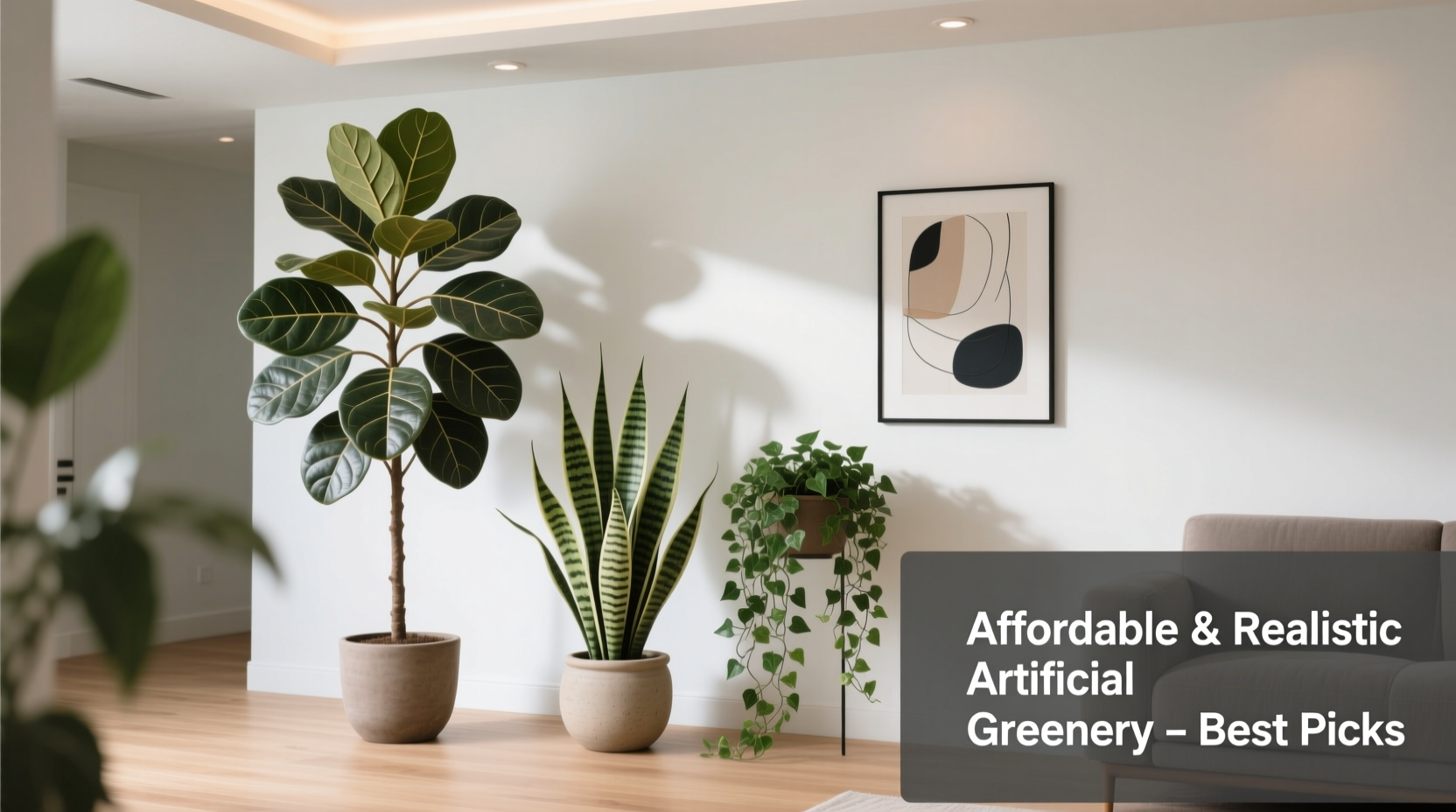
The difference between a convincing artificial plant and a cheap-looking one often comes down to materials, construction, and attention to detail. High-end faux plants mimic the subtle variations found in nature—uneven leaf shapes, textured surfaces, and color gradients from stem to tip. These details are what prevent artificial greenery from appearing plasticky or monotonous.
Premium silk or polyester leaves, combined with bendable wire stems, allow for natural shaping and movement. Some manufacturers now use injection-molded techniques to replicate the veins and edges of real foliage. While these models may cost slightly more, many affordable versions incorporate similar design principles without the luxury price tag.
Tip: Look for plants with hand-painted leaves—this adds depth and variation in color, making them appear more authentic.Top 5 Affordable & Realistic Artificial Plants
Below are five standout options that combine visual appeal, durability, and value. Each has been evaluated based on customer feedback, material quality, and aesthetic versatility.
- Faux Fiddle Leaf Fig Tree (4–6 ft) – A favorite among interior designers, this plant mimics the popular houseplant with broad, waxy leaves arranged in a natural spiral. Many budget versions under $60 now feature reinforced trunks and layered canopies that avoid the \"helicopter blade\" look common in older models.
- Silk Pothos in a Ceramic Planter – This trailing vine offers flexibility in display. Its heart-shaped leaves vary slightly in size and tone, and the included grow pot allows it to be tucked into a decorative container. Ideal for shelves, mantels, or hanging baskets.
- Artificial Snake Plant (Sansevieria) – Known for its upright structure and resilience, the faux version retains the tall, stiff leaves with mottled green patterns. Requires zero light and looks sharp in modern or minimalist spaces.
- Bamboo Palm (3-Tier Design) – With feathery fronds and layered height, this piece adds volume without overwhelming a room. The split-leaf construction creates shadow and depth, enhancing realism.
- Hanging String of Pearls Vine – Perfect for kitchens or bathrooms, this delicate faux vine features spherical leaves on slender stems. When placed in a hanging planter, it cascades naturally and resists dust buildup due to its smooth finish.
How to Choose the Right Artificial Plant on a Budget
Not all inexpensive plants deliver equal value. To ensure your purchase looks authentic and lasts, consider the following criteria before buying.
| Factor | What to Look For | Affordable Brands That Deliver |
|---|---|---|
| Leaf Material | Soft-touch polyester or silk; avoid shiny plastic | Levha, Nearly Natural, Afloral (budget line) |
| Stem Flexibility | Wire-core stems that bend but hold shape | Cost Plus World Market, IKEA (limited selection) |
| Color Variation | Multiple shades of green, not uniform coloring | Amazon brands like “Utopia”, “Bloomy” |
| Pot Quality | Weighted base or removable grow pot for stability | Target’s Project 62, Home Depot’s Evergreen collection |
| Size Proportion | Matches room scale—oversized in corners, compact on desks | All major retailers |
“Many people still associate fake plants with poor quality, but today’s best budget options are indistinguishable from real ones—at least from three feet away.” — Dana Reyes, Interior Stylist & Sustainable Design Advocate
Mini Case Study: Reviving a Dull Office Corner
Jessica, a remote worker in Denver, struggled to brighten her home office—a small room with no windows. She initially tried a live snake plant, but it yellowed within two months despite regular watering. After researching low-maintenance alternatives, she invested $55 in a 5-foot artificial fiddle leaf fig from a mid-tier brand.
She placed it in a textured linen planter next to her desk, adjusting the leaves to create asymmetry. Within days, colleagues commented on the “great natural light” during video calls. The plant required only a monthly wipe-down with a microfiber cloth. Two years later, it still looks unchanged—proof that thoughtful selection pays off.
Tip: Rotate your artificial plants seasonally—swap out dense foliage for lighter vines in spring to refresh your space without new purchases.Step-by-Step Guide to Styling Artificial Greenery
Even the most realistic plant can look out of place if styled poorly. Follow this sequence to integrate faux greenery seamlessly into any environment.
- Assess Light and Space – Identify dim corners, cluttered shelves, or bare walls. These are ideal spots for greenery that won’t compete with natural elements.
- Choose a Focal Point – Pick one large statement plant (like a floor tree) or several smaller accents (such as succulents in a row).
- Select Complementary Pots – Use neutral ceramics, woven baskets, or matte concrete containers to ground the artificial look.
- Arrange for Depth – Place taller plants behind shorter ones. Angle stems outward to mimic growth patterns.
- Add Subtle Texture – Pair with wood furniture, linen curtains, or stone decor to enhance the organic feel.
- Maintain Regularly – Dust leaves weekly with a soft brush or compressed air to preserve clarity and shine.
Checklist: Buying Artificial Greenery Smartly
- ☐ Set a clear budget per plant (e.g., $20–$70)
- ☐ Measure the space where the plant will go
- ☐ Read reviews focusing on “realism” and “durability”
- ☐ Check return policies—some retailers allow returns even after opening
- ☐ Verify if the plant comes pre-potted or needs a separate container
- ☐ Look for UV-resistant materials if placing near windows
- ☐ Confirm whether stems are bendable for custom shaping
Frequently Asked Questions
Are artificial plants worth it compared to real ones?
For spaces with poor lighting, inconsistent care routines, or allergy concerns, artificial plants offer a reliable, long-term solution. While they lack air-purifying benefits, high-quality versions provide aesthetic value with minimal upkeep. Over time, they can be more cost-effective than repeatedly replacing dying houseplants.
How do I clean artificial greenery without damaging it?
Use a dry microfiber cloth for light dusting. For deeper cleaning, gently wipe leaves with a damp cloth and mild soap, then air-dry. Avoid soaking silk plants, as water can loosen dyes. Outdoor-safe models can be rinsed with a hose and left to dry in shade.
Where should I avoid using fake plants?
Avoid placing artificial greenery in direct sunlight for extended periods unless labeled UV-stable—sunlight can cause fading and brittleness. Also, skip hyper-realistic plants in homes where guests frequently interact with decor, as close handling may reveal synthetic textures.
Conclusion: Elevate Your Space Without the Maintenance
Artificial greenery has moved far beyond outdated plastic ferns. Today’s best affordable options offer stunning realism, thoughtful design, and lasting appeal. By focusing on material quality, proportion, and proper styling, you can create lush, inviting spaces without the demands of watering, pruning, or troubleshooting pests.
💬 Found a great budget-friendly artificial plant? Share your favorite pick in the comments and help others decorate smarter!








