
Channel catfish are one of the most widely pursued freshwater species in North America, prized for their aggressive feeding habits and strong fight. While many anglers believe that expensive or exotic baits are necessary to catch them consistently, the truth is that some of the most effective options are both accessible and inexpensive. With a little knowledge and preparation, you can use everyday items to lure catfish without spending a fortune. This guide breaks down proven, low-cost baits and techniques that deliver results, backed by field experience and expert insight.
Why Affordable Baits Work Just as Well
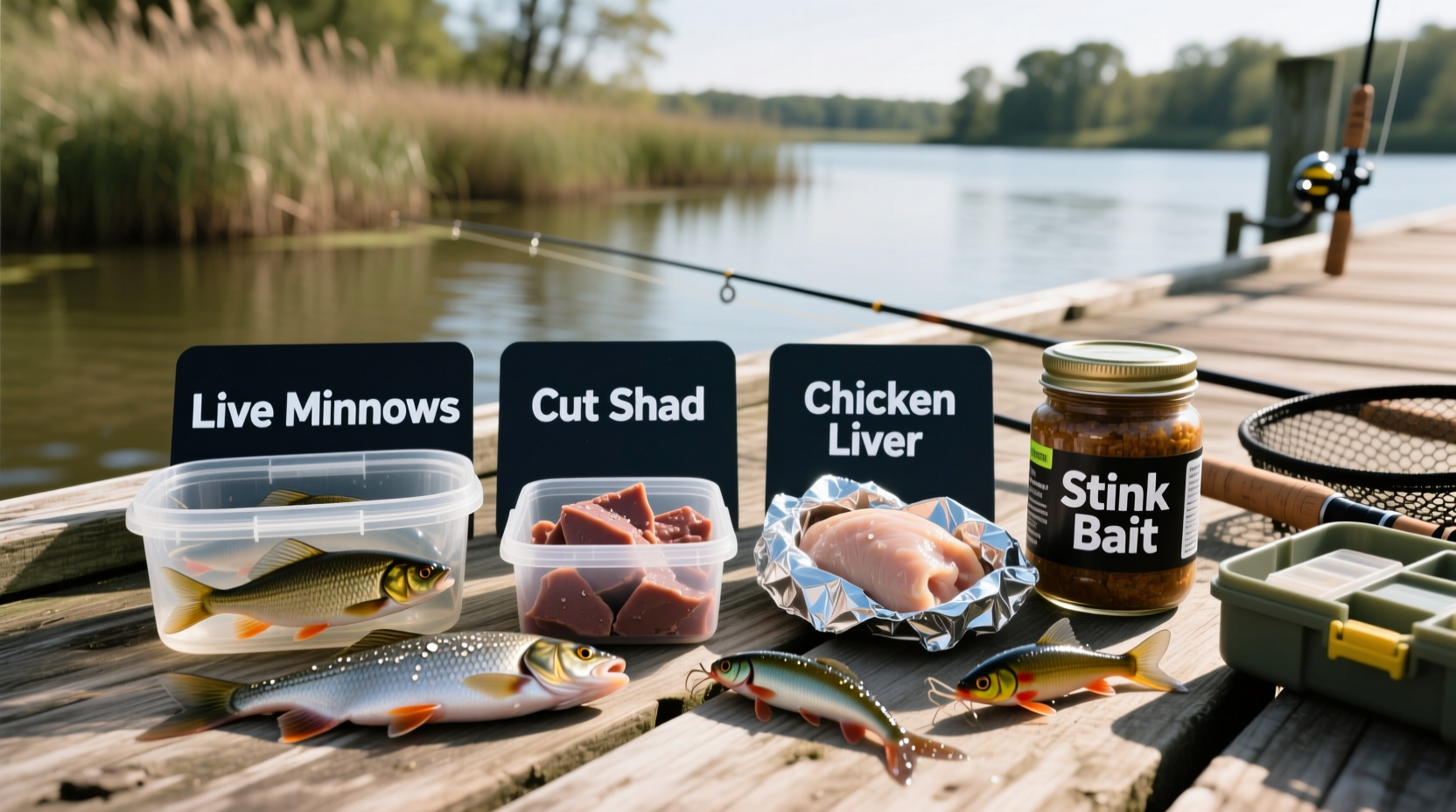
Channel catfish rely heavily on smell and taste rather than sight when hunting for food. Their highly developed olfactory senses allow them to detect amino acids and other organic compounds from hundreds of yards away, especially in murky or slow-moving water. Because of this, scent dispersion matters far more than visual appeal. Many commercial baits capitalize on this with powerful attractants, but natural or household alternatives often contain the same chemical triggers—at a fraction of the cost.
Anglers who focus on maximizing scent trail and durability often outperform those using pricier pre-packaged options. The key is selecting baits that break down slowly while releasing strong odors into the water column. When combined with proper presentation and location, even simple ingredients can produce excellent catches.
Tip: Soak your bait in garlic-scented oil or anise extract to enhance its attractiveness—both are cheap and readily available.Top 5 Budget-Friendly Baits That Catch Channel Cats
The following baits have been time-tested across rivers, lakes, and reservoirs. Each offers high scent output, good hook retention, and minimal expense.
- Chicken Liver – A classic favorite, chicken liver emits a rich, bloody odor that catfish find irresistible. It’s typically sold in grocery stores for under $3 per pound. Use it fresh or slightly aged (but not spoiled) for maximum scent release.
- Stink Bait (Homemade) – A mixture of cheese, flour, cornmeal, and fermented milk or sour cream creates a pungent paste that stays on the hook well. Mold it into balls and let it ferment for 2–3 days for stronger aroma.
- Canned Tuna or Mackerel – Oily fish like tuna release a powerful scent trail quickly. The soft texture attracts catfish fast, though it may require double-hooking or use in a bait cage to prevent loss.
- Hot Dogs – Surprisingly effective, especially in urban ponds or stocked lakes where catfish associate human food with easy meals. Cut into chunks and marinate in garlic powder or shrimp oil for added appeal.
- Nightcrawlers and Large Earthworms – Though not always considered “bait” for catfish, large worms are natural prey and work exceptionally well in cooler months when catfish feed closer to shore.
Comparing Bait Effectiveness and Cost
| Bait Type | Average Cost (per lb) | Scent Strength | Hook Retention | Best For |
|---|---|---|---|---|
| Chicken Liver | $2.50 | ★★★★☆ | ★★★☆☆ | Rivers, deep holes |
| Homemade Stink Bait | $1.20 | ★★★★★ | ★★★★☆ | Lakes, still water |
| Canned Mackerel | $1.80 | ★★★★☆ | ★★☆☆☆ | Ponds, slow currents |
| Hot Dogs | $1.00 | ★★★☆☆ | ★★★☆☆ | Stocked waters, night fishing |
| Earthworms (Nightcrawlers) | $5.00 (for 50) | ★★★☆☆ | ★★★★☆ | Shallow flats, spring/fall |
“Some of my biggest channel cats came on chicken livers I bought at the local supermarket. You don’t need magic dust—just persistence and the right scent in the water.” — Dale Richards, Midwest Catfish Guide Service
Step-by-Step: Preparing and Using Homemade Stink Bait
Creating your own stink bait gives you control over consistency and potency. Follow this simple process for a long-lasting, effective option.
- Gather ingredients: 2 cups cornmeal, 1 cup flour, 1 cup shredded cheddar cheese, ½ cup sour milk or plain yogurt, and 1 tablespoon of anise extract.
- Mix dry ingredients in a bowl, then gradually add wet components until a dough forms.
- Knead thoroughly, then place in a sealed container.
- Store in a warm area (not direct sunlight) for 48–72 hours to encourage fermentation.
- Roll into golf-ball-sized portions before fishing. Use a bait band or mesh sack to keep it intact on the hook.
This bait works best when fished near structure—such as submerged logs, drop-offs, or bridge pilings—where current helps disperse the scent. Replenish every 20–30 minutes if activity slows.
Tip: Add a few drops of liquid menhaden oil to your stink bait mix for enhanced underwater dispersion.Real-World Example: Weekend Success on a Tight Budget
Tom, an amateur angler from Missouri, wanted to try catfishing but didn’t want to invest in specialty gear or baits. He visited a local grocery store and spent $6 on chicken livers, a pack of nightcrawlers, and a bag of cornmeal. At a nearby river access point known for channel cats, he rigged two rods—one with chicken liver on a circle hook, the other with a homemade cornmeal-liver blend packed around a treble hook.
Within 45 minutes, he had three solid hits. Over the next four hours, he landed five channel cats ranging from 2 to 6 pounds. His total bait cost? Under $7. No fancy dips, no branded products—just understanding what catfish respond to and presenting it effectively.
Checklist: Maximizing Your Budget Bait Success
- ✅ Choose baits with strong natural odors (blood, oil, fermentation).
- ✅ Use scent enhancers like garlic, anise, or fish oils to boost attraction.
- ✅ Fish near cover or current breaks where catfish ambush food.
- ✅ Re-bait frequently to maintain a steady scent trail.
- ✅ Carry multiple bait types to test effectiveness based on water conditions.
- ✅ Store unused bait in a cooler to preserve freshness and odor potency.
Frequently Asked Questions
Can I use dog food as catfish bait?
Yes, especially oily varieties like canned dog food. Dry kibble can work if soaked in water or attractant oils first. Brands with meat-based formulas tend to perform better due to higher fat and protein content.
How long should I let stink bait ferment?
For optimal scent, ferment for 2 to 3 days at room temperature. Beyond that, it may become too soft or develop mold that repels fish. Always check for foul rotting smells—those indicate spoilage, not fermentation.
Do I need a bait cage for soft options like hot dogs or liver?
Not always, but using a small wire or mesh bait cage helps retain more material in strong currents or around rough-mouthed fish. It also prolongs the scent release, increasing your chances of drawing in distant catfish.
Final Thoughts and Action Plan
Success in catfishing doesn’t hinge on expensive gear or proprietary baits. Some of the most effective methods rely on common ingredients that trigger instinctive feeding responses in channel catfish. By focusing on scent dispersion, durability, and smart presentation, you can achieve consistent results without overspending.
Start with one or two affordable options—chicken liver and homemade stink bait are excellent entry points. Test them in different locations and conditions, adjusting your approach based on bite patterns. Keep notes on what works, refine your technique, and share your findings with fellow anglers.
🚀 Grab a bucket, hit the bank this weekend, and put these budget baits to the test. The next big catfish might be just one smelly chunk away.








