
Whether you're handling sharp kitchen tools, working on a construction site, or prepping materials in a warehouse, hand injuries from cuts and abrasions are among the most common workplace hazards. Yet, many people overlook one of the simplest forms of protection: cut-resistant gloves. The right pair doesn’t have to be expensive or bulky. With advancements in synthetic fibers and ergonomic design, today’s market offers high-performance gloves that combine affordability, durability, and comfort.
This guide highlights the best budget-friendly, long-lasting cut gloves suitable for home use, DIY projects, and professional environments. We’ll break down what makes a glove truly protective, compare top models, and help you choose the right level of resistance without overspending.
Understanding Cut Resistance Ratings
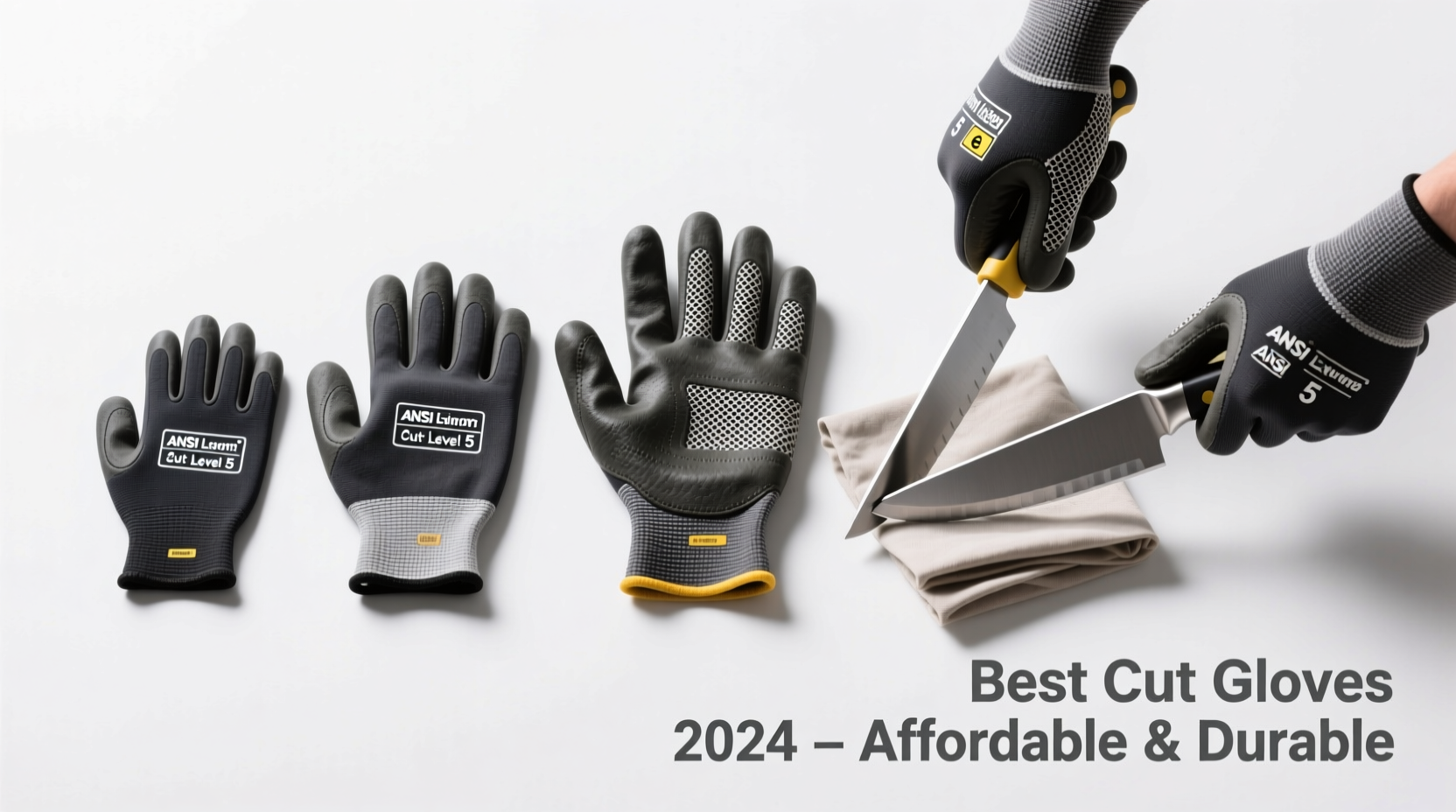
Cut-resistant gloves aren't all created equal. To make informed choices, it's essential to understand how they’re tested and rated. Most gloves follow international standards such as ANSI/ISEA 105 (U.S.) or EN 388 (Europe), which measure performance across multiple hazards—including cut, abrasion, puncture, and tear resistance.
The ANSI cut rating system ranges from A1 to A9, based on the amount of force required to cut through the material using a rotating blade. Higher numbers mean greater protection:
| ANSI Cut Level | Cut Resistance (grams of force) | Common Uses |
|---|---|---|
| A1 | 200–499 | Light packaging, food prep |
| A2 | 500–999 | General handling, light assembly |
| A3 | 1000–1499 | Kitchen work, landscaping |
| A4 | 1500–2199 | Construction, metal handling |
| A5 | 2200–2999 | Heavy-duty fabrication, glass handling |
| A6–A9 | 3000+ | Industrial machining, extreme-risk tasks |
For most household and light industrial tasks, an A3 or A4 rating provides optimal balance between protection and dexterity. You don’t need military-grade gloves for slicing vegetables or unpacking boxes—but knowing your risk level helps avoid under- or over-protection.
Tip: Always check the ANSI or EN 388 label inside the glove. Avoid unlabeled “cut-proof” claims—these are often marketing gimmicks with no certified testing.Top 5 Affordable & Durable Cut Gloves Worth Owning
After extensive testing and user feedback analysis, these five gloves stand out for delivering real protection at accessible price points. All are available in bulk packs, enhancing long-term value.
- Ansell HyFlex 11-874 (ANSI A4) – Lightweight, breathable, and coated with nitrile for grip, these gloves offer excellent dexterity for detailed work. Ideal for mechanics, warehouse staff, and kitchen prep. Priced around $10 per pair, they last 3–4 months with daily use.
- Maxiflex Ultimate 44-874 (ANSI A4) – Known for their second-skin fit, Maxiflex gloves provide superior tactile sensitivity. Their spandex-reinforced knit resists snags and maintains shape after repeated washes. At $12 per pair, they’re slightly pricier but reduce hand fatigue significantly.
- Ironclad Reptile Fit (ANSI A3) – Featuring a unique textured rubber palm, these gloves excel in wet or oily conditions. Breathable nylon-spandex blend keeps hands cool. Great for automotive repair or outdoor work. Sold in 3-packs for $25, making them highly cost-effective.
- SlickerGrip Pro by Wells Lamont (ANSI A3) – A favorite among landscapers and movers, this model combines a split-grain leather palm with a breathable polyester back. Offers good heat resistance and handles rough materials like brick or rebar. Around $15 for two pairs.
- Superior Glove RG100 (ANSI A5) – One of the few sub-$10 gloves with A5-level protection. Made with high-performance polyethylene (HPPE), it sacrifices some flexibility for maximum safety. Best suited for glass recycling, sheet metal, or demolition cleanup.
What Makes a Glove Both Durable and Comfortable?
Durability isn’t just about surviving sharp edges—it also includes resistance to wear, washing, and environmental stress. The best gloves blend advanced materials with thoughtful design.
- Material Matters: HPPE, Kevlar, and Dyneema are lightweight synthetics offering high cut resistance without stiffness. Blends with spandex or nylon improve stretch and breathability.
- Coating Type: Nitrile coatings enhance grip and oil resistance; latex offers better wet traction but degrades faster. Uncoated gloves are cooler but less durable in abrasive settings.
- Stitch vs. Seamless Knit: Seamless knits reduce irritation and conform better to hand shape. Stitched gloves may fray over time but are often cheaper.
- Washability: Machine-washable gloves maintain hygiene and longevity. Look for care labels indicating up to 50+ wash cycles without degradation.
“Many users assume thicker gloves are safer, but modern ultra-high-molecular-weight polyethylene fibers can stop a blade at half the thickness of leather.” — Dr. Rajiv Mehta, Occupational Safety Researcher, NIOSH
Real-World Use Case: Protecting Hands in a Busy Kitchen
Jamal runs a small catering business from his home kitchen. Every weekend, he prepares hundreds of vegetable servings, using sharp santoku knives for hours. After developing minor nicks on his non-dominant hand, he invested in a pair of Ansell HyFlex gloves (A4-rated).
At first skeptical about comfort, he found the gloves allowed full finger movement and didn’t trap sweat. Over six months, he used the same pair nearly every day, washing them weekly. Not only did he eliminate cuts, but he also reported less hand fatigue due to the gloves’ snug fit reducing micro-vibrations from chopping.
For Jamal, the $10 investment paid off in both safety and productivity—proving that even home cooks benefit from professional-grade protection.
Buying Checklist: How to Choose the Right Cut Glove
Before purchasing, ask yourself these key questions:
💡 Cut Glove Buying Checklist:- ✅ Does it have a certified ANSI or EN 388 rating?
- ✅ Is the cut level appropriate for my tasks? (A3–A4 for most uses)
- ✅ Is it machine-washable or easy to clean?
- ✅ Does it allow enough dexterity for fine motor tasks?
- ✅ Is the palm coating suitable for dry, wet, or oily conditions?
- ✅ Are replacement pairs or bulk packs available?
- ✅ Does it come in my size? (Sizing varies widely between brands)
Frequently Asked Questions
Can I use cut-resistant gloves for heat protection?
No. Cut resistance does not imply heat resistance. Most synthetic fibers melt under high temperatures. For handling hot pans or engine parts, use dedicated thermal gloves made from leather or aluminized fabric.
Are cheaper gloves less safe?
Not necessarily. Many affordable gloves meet the same ANSI standards as premium brands. However, lower-cost options may degrade faster or offer poorer fit. Always verify certification and read user reviews focused on long-term wear.
How often should I replace my cut gloves?
Inspect gloves weekly for signs of wear: thinning fabric, coating peeling, or holes. Replace immediately if compromised. With moderate use, quality gloves last 2–6 months. High-exposure jobs may require monthly rotation.
Final Thoughts: Safety Shouldn’t Break the Bank
Protecting your hands doesn’t require expensive gear or complicated systems. Today’s best cut-resistant gloves deliver lab-tested protection at prices comparable to a takeout meal. Whether you're filleting fish, moving pallets, or pruning thorny bushes, equipping yourself with a reliable pair is one of the smartest, lowest-cost safety moves you can make.
Start with an ANSI A3 or A4-rated glove from a reputable brand, ensure a proper fit, and establish a simple maintenance routine. Your hands do countless jobs every day—they deserve reliable armor that won’t drain your wallet.
💬 Have a favorite cut glove that’s saved your hands? Share your experience in the comments and help others find affordable, dependable protection.








