
For generations, clotheslines have offered an energy-efficient, gentle, and cost-effective way to dry laundry. Yet, one often-overlooked element determines how long your drying system lasts: the line itself. Choosing the right clothesline isn’t just about strength—it’s about balancing affordability, durability, UV resistance, and ease of installation. Whether you're setting up a backyard line, a retractable system, or an indoor drying rack, selecting the best material can save money and hassle over time.
This guide breaks down the most practical options available today, compares their performance, and provides real-world insights to help you choose wisely without overspending.
Key Factors in Choosing a Durable Clothesline
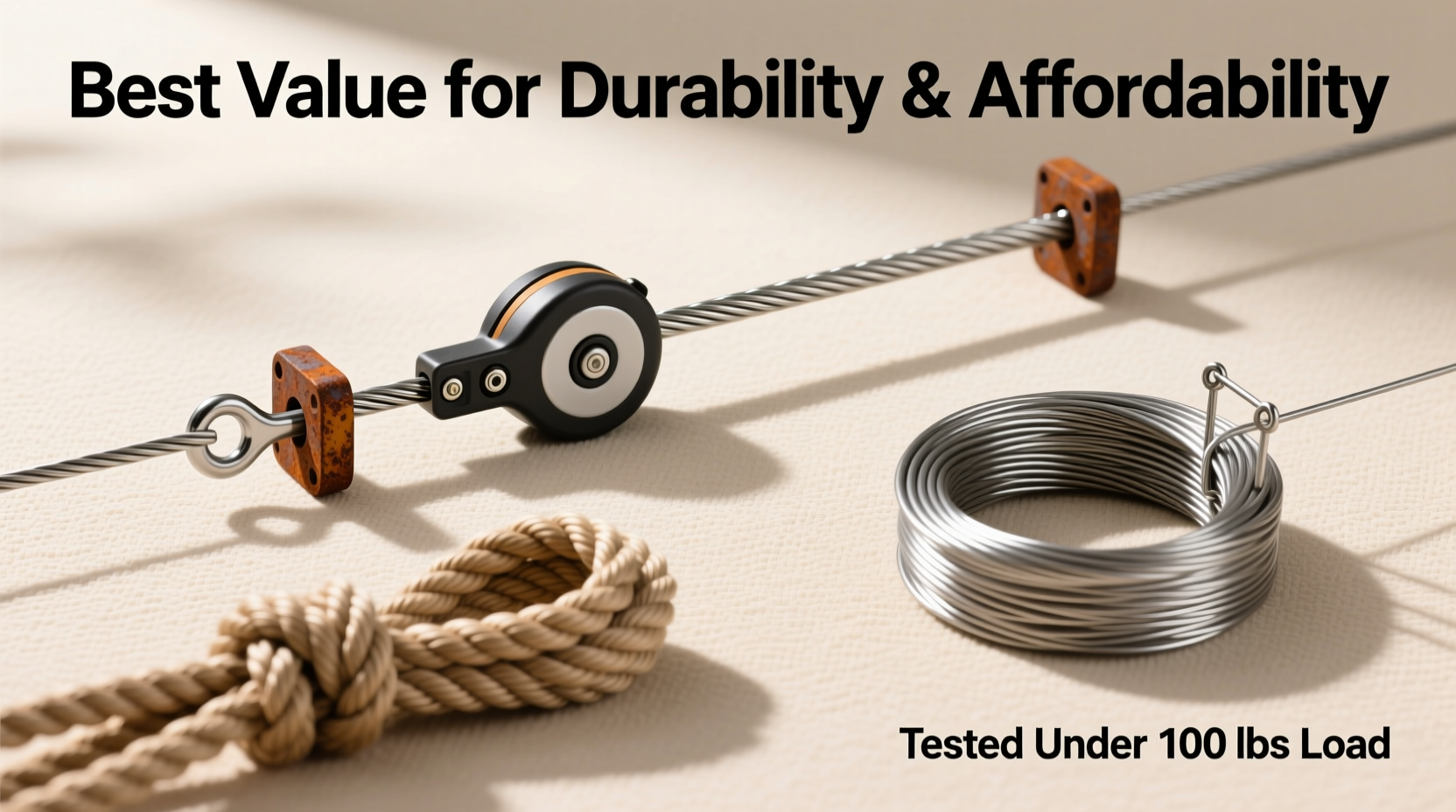
Before diving into specific types, it’s important to understand what makes a clothesline both affordable and durable. The ideal line should:
- Resist sun damage (UV degradation)
- Maintain tensile strength when wet
- Withstand repeated tension and weight from wet clothing
- Be resistant to mold, mildew, and abrasion
- Come at a reasonable price per meter or foot
Many people assume that all ropes are equal, but exposure to weather, frequent loading, and friction against supports can quickly degrade inferior materials. A poorly chosen line may need replacing every season, negating any initial savings.
Tip: Always leave a small amount of slack in your line to reduce strain on anchor points and prevent snapping during windy conditions.Top Affordable & Durable Clothesline Materials Compared
The market offers several synthetic and blended fibers designed specifically for outdoor use. Below is a comparison of the most widely used options based on cost, lifespan, and performance.
| Material | Avg. Cost per 30m | Lifespan (Outdoor Use) | UV Resistance | Stretch Under Load | Best For |
|---|---|---|---|---|---|
| Polypropylene Rope | $15–$25 | 6–12 months | Poor | Moderate | Budget short-term use |
| Nylon Rope | $25–$40 | 1–2 years | Fair | High | Wet climates, heavy loads |
| Polyester Rope | $30–$50 | 3–5 years | Excellent | Low | All-purpose, long-term |
| Stainless Steel Cable (Coated) | $40–$70 | 5+ years | Excellent | None | Permanent installations |
| Cotton Clothesline | $20–$35 | 3–6 months | Poor | High | Indoor/seasonal only |
While polypropylene and cotton are among the cheapest upfront, their susceptibility to UV breakdown and moisture damage makes them poor long-term investments. Nylon stretches significantly when wet, which can cause sagging and detachment from supports. In contrast, polyester rope and coated stainless steel cable offer superior longevity and reliability, even in harsh weather.
Why Polyester Rope Is the Best Overall Choice
Polyester stands out as the optimal balance between cost and durability. It resists ultraviolet radiation far better than nylon or polypropylene, retains its strength when wet, and exhibits minimal stretch—even under heavy loads like towels or jeans. Most high-quality polyester clotheslines are twisted or braided for added resilience and come with protective coatings that further extend life.
Brands like Soladey, Spectrum, and Busy Bee manufacture pre-stretched polyester lines rated for 3–5 years of continuous outdoor use. These typically retail between $0.80 and $1.50 per meter, making them accessible for most households.
“Polyester fiber has revolutionized utility ropes. Its molecular structure resists hydrolysis and UV degradation better than almost any other synthetic—making it ideal for sustained outdoor applications.” — Dr. Alan Reyes, Materials Scientist, University of Tasmania
Additionally, polyester doesn’t absorb water, so it won’t become waterlogged or encourage mold growth. This also means faster drying times after rain and less maintenance overall.
When to Choose Stainless Steel Cable
For permanent installations—such as between two buildings, across a narrow alley, or mounted on wall brackets—coated stainless steel cable is unmatched in strength and longevity. Unlike rope, it does not stretch, fray, or degrade under sunlight. With proper tensioning hardware, it can support heavy laundry loads year-round with no sagging.
The main drawbacks are higher initial cost and more complex installation. It requires eye bolts, turnbuckles, and tensioners to maintain proper tautness. However, once installed, it can last a decade or more with minimal upkeep.
Look for PVC-coated 316-grade marine stainless steel cable (commonly 3–5mm diameter). The coating prevents rust and protects clothing from metal contact. Though not as flexible as rope, it’s ideal for users who want a “set it and forget it” solution.
Step-by-Step: Installing a Long-Lasting Polyester Clothesline
- Measure the span: Determine the distance between anchor points and add 2 meters for tying knots and adjustments.
- Select UV-resistant polyester rope: Choose a minimum 6mm diameter for standard loads.
- Install sturdy supports: Use galvanized screw eyes or heavy-duty hooks set into wooden posts or masonry.
- Thread and tension: Tie secure knots (bowline or anchor hitch), then apply moderate tension—avoid over-tightening.
- Add a spring or shock absorber: Attach one end to a spring to absorb wind stress and prevent breakage.
- Inspect monthly: Check for fraying, discoloration, or weak spots, especially near attachment points.
Real-World Example: The Laundromat That Switched Lines
In rural New South Wales, a community laundromat serving 40 households relied on a series of cotton and polypropylene lines. Staff replaced them every 4–6 months due to rot and snapping. After switching to braided polyester rope, they reduced replacement frequency to once every four years. Despite a 200% higher initial cost, the facility saved over $1,200 in labor and materials over five years.
“We didn’t realize how much time we were wasting re-stringing broken lines,” said manager Linda Tran. “The polyester holds up through storms and summer heat. Now we focus on service, not maintenance.”
Checklist: Choosing Your Ideal Clothesline Material
- ☐ Assess your climate: High sun? Choose UV-resistant polyester or coated steel.
- ☐ Consider load frequency: Daily heavy loads need low-stretch materials.
- ☐ Measure total length needed and include extra for knots and tensioning.
- ☐ Decide between temporary (rope) vs. permanent (cable) setup.
- ☐ Factor in installation tools: Hooks, turnbuckles, springs, or reels.
- ☐ Set a 5-year cost budget, not just initial price.
- ☐ Buy from reputable brands with warranties or customer reviews.
Frequently Asked Questions
Can I use regular rope from the hardware store?
You can, but most general-purpose ropes aren’t UV-stabilized or designed for constant tension. Hardware store polypropylene may degrade within months. Invest in purpose-made polyester for lasting results.
How do I know when to replace my clothesline?
Replace it if you notice visible fraying, significant thinning, brittleness, or if it snaps under normal load. Discoloration (especially white turning chalky gray) is a sign of UV damage and weakening.
Are retractable clotheslines worth it?
Yes, for small spaces or aesthetic concerns. High-quality retractable reels often use braided polyester and include built-in springs. They cost more upfront but offer convenience and protection from wind when not in use.
Final Thoughts: Invest Small, Save Big
The best clothesline isn’t always the cheapest one at the shelf—it’s the one that performs reliably for years with minimal upkeep. While polyester rope and coated stainless steel require a modest investment, their longevity, safety, and low maintenance deliver real value over time.
Whether you’re air-drying baby clothes, saving on electricity, or living off-grid, choosing a durable, affordable line enhances efficiency and peace of mind. Make the smart choice today, and enjoy a stronger, longer-lasting drying solution that stands up to sun, wind, and wet laundry—year after year.
💬 Have experience with a particular clothesline material? Share your story or tips in the comments to help others make informed decisions!