Types of High Precision Mold Inserts
High precision mold inserts are essential components in modern manufacturing, especially in injection molding, die-casting, and pressure molding applications. These inserts are responsible for shaping complex geometries with tight tolerances and consistent quality. The choice of material significantly impacts performance, durability, thermal management, and cost-efficiency. Below is a detailed breakdown of the most commonly used high precision mold insert materials, their properties, advantages, and ideal applications.
Steel Inserts
Made from high-grade alloy steels and heat-treated for enhanced hardness and wear resistance.
Advantages
- Exceptional strength and structural integrity
- High resistance to wear and deformation
- Long service life under heavy production cycles
- Ideal for intricate and detailed mold designs
Limitations
- Lower thermal conductivity compared to copper alloys
- More difficult and time-consuming to machine
- Heavier, which may affect mold handling
Best for: High-volume production, automotive components, electronic housings, and durable goods requiring fine detail and longevity
Copper Inserts
Valued for their outstanding thermal conductivity, enabling rapid and uniform heat dissipation.
Advantages
- Superior heat transfer reduces cycle times
- Minimizes warping, sink marks, and thermal distortion
- Excellent for temperature-sensitive materials like thermoplastics
- Improves surface finish and dimensional accuracy
Limitations
- Softer than steel, more prone to mechanical wear
- Less suitable for high-stress or abrasive applications
- Requires protective coatings in corrosive environments
Best for: Precision thermoplastic molding, medical devices, food packaging, and consumer electronics where thermal control is critical
Tungsten Carbide Inserts
Composed of tungsten and carbon, these inserts offer extreme hardness and abrasion resistance.
Advantages
- Exceptional wear and erosion resistance
- Maintains dimensional stability under extreme conditions
- Long lifespan in high-abrasion molding environments
- Resists deformation at elevated temperatures
Limitations
- Very high material and machining costs
- Brittle—susceptible to chipping under impact
- Difficult to modify or repair once fabricated
Best for: Molding abrasive composites, mining equipment parts, and high-wear industrial components
Aluminum Inserts
Lightweight with excellent thermal conductivity and machinability.
Advantages
- Fast and cost-effective machining for complex geometries
- Good heat dissipation for efficient cooling
- Lightweight—ideal for prototype molds and testing
- Lower tooling costs for short production runs
Limitations
- Limited durability and wear resistance
- Not suitable for high-volume or high-pressure molding
- Lower hardness increases risk of surface damage
Best for: Rapid prototyping, low-volume production, and mold trials where speed and thermal performance are prioritized over longevity
Beryllium Copper Inserts
A high-performance alloy combining copper’s thermal properties with beryllium’s strength.
Advantages
- Outstanding thermal conductivity (second only to pure copper)
- High strength and fatigue resistance
- Excellent for precision molds requiring both cooling efficiency and durability
- Reduces cycle time and improves part consistency
Limitations
- Higher cost than standard copper or aluminum
- Requires special handling due to beryllium toxicity during machining
- Needs proper ventilation and safety protocols in fabrication
Best for: High-precision die-casting, pressure molds, aerospace components, and medical devices requiring optimal thermal management and reliability
| Material | Thermal Conductivity | Wear Resistance | Machinability | Typical Applications |
|---|---|---|---|---|
| Steel | Low to Medium | Excellent | Fair | Automotive, electronics, high-volume production |
| Copper | Excellent | Fair | Good | Thermoplastics, medical, food packaging |
| Tungsten Carbide | Medium | Exceptional | Poor | Composite materials, mining, industrial tools |
| Aluminum | Very Good | Fair | Excellent | Prototyping, low-volume runs, mold testing |
| Beryllium Copper | Excellent | Very Good | Good (with precautions) | Die-casting, aerospace, high-precision molds |
Expert Tip: For molds requiring both thermal efficiency and durability, consider using beryllium copper inserts in critical heat-prone areas while using steel for structural support—this hybrid approach optimizes performance and cost-effectiveness.
Industrial Applications of High Precision Mold Inserts
High-precision mold inserts are essential tools in modern manufacturing, enabling the production of complex, dimensionally accurate components across a wide range of industries. These inserts—typically made from hardened steel, aluminum, or advanced alloys—are engineered to exacting tolerances, ensuring consistent replication of intricate geometries in injection molding and die-casting processes. Their use not only enhances product quality but also improves production efficiency by reducing the need for secondary machining and rework.
Beyond dimensional accuracy, high-precision mold inserts contribute to improved surface finishes, tighter tolerances, and enhanced repeatability—critical factors in industries where reliability, safety, and performance are non-negotiable. Below is a detailed exploration of their key industrial applications, highlighting how they drive innovation and operational excellence.
Automotive Industry
High-precision mold inserts are fundamental to automotive manufacturing, where they enable the production of complex internal and external components with exceptional accuracy. These include engine parts such as intake manifolds, transmission gears, fuel system components, and exterior trims like grilles and lighting housings.
The use of precision inserts ensures tight dimensional control, which is crucial for proper fitment and assembly in high-speed production lines. By minimizing part variation, manufacturers reduce the need for post-molding adjustments, lowering labor costs and accelerating throughput. Additionally, consistent part quality enhances vehicle performance, durability, and customer satisfaction.
With the rise of electric vehicles (EVs), demand for precision-molded lightweight components—such as battery enclosures and sensor housings—has further increased, making advanced mold inserts indispensable in next-generation automotive design.
Electronics Manufacturing
In the electronics sector, high-precision mold inserts are vital for producing miniature, high-complexity components including connectors, sockets, circuit board enclosures, and micro-switch housings. These parts often feature fine details, thin walls, and tight tolerances—sometimes within ±0.01 mm—requiring molds capable of extreme accuracy.
Precision inserts allow manufacturers to replicate intricate geometries consistently across thousands of cycles, ensuring reliable electrical contact, proper shielding, and seamless integration into compact devices. This level of control is especially important in consumer electronics, telecommunications, and IoT devices, where miniaturization and performance go hand-in-hand.
Moreover, the ability to maintain surface integrity and avoid flash or burrs reduces the risk of short circuits and improves overall device reliability, directly impacting product lifespan and user experience.
Medical Device Production
The medical industry relies heavily on high-precision mold inserts to manufacture life-critical devices such as syringes, inhalers, insulin pumps, surgical instruments, and diagnostic equipment components. These applications demand absolute consistency, biocompatible materials, and defect-free production runs.
Precision inserts ensure that molded parts meet strict regulatory standards (e.g., ISO 13485, FDA guidelines) by delivering exact geometries, smooth surfaces, and minimal variance. This is essential for devices where even microscopic imperfections can compromise functionality or patient safety.
Additionally, the repeatability offered by precision tooling supports sterile manufacturing environments and enables large-scale production of single-use disposable devices without sacrificing quality. Advanced cooling channels and venting in the inserts also help prevent warping and internal stresses in sensitive medical-grade polymers.
Consumer Goods
From household appliances and personal care products to packaging and lifestyle gadgets, high-precision mold inserts play a pivotal role in shaping the aesthetics, functionality, and perceived quality of consumer goods. They enable the creation of detailed textures, logos, ergonomic shapes, and seamless finishes that define brand identity.
For example, precision inserts are used to mold hairdryer housings with anti-slip grips, cosmetic containers with intricate embossing, and appliance knobs with consistent tactile feedback. These subtle design elements significantly influence customer satisfaction and brand loyalty.
Furthermore, the efficiency of precision molding reduces cycle times and material waste, supporting sustainable manufacturing practices while maintaining high output volumes. As consumers increasingly value both form and function, the role of precision tooling in product differentiation continues to grow.
Aerospace Industry
The aerospace sector utilizes high-precision mold inserts to produce lightweight, high-strength components such as interior panels, ducting systems, avionics housings, and structural brackets. These parts must meet rigorous performance standards for heat resistance, mechanical strength, and dimensional stability under extreme conditions.
Precision inserts ensure that composite and thermoplastic components are manufactured with exacting tolerances, contributing to weight reduction—a critical factor in fuel efficiency and payload capacity. Even minor reductions in component mass can lead to significant long-term savings in fuel consumption and emissions.
Moreover, the consistency provided by precision tooling supports certification processes and reduces the risk of part rejection during quality audits. With increasing adoption of polymer-based materials in aircraft interiors and non-load-bearing structures, the demand for advanced mold inserts continues to rise in both commercial and defense aerospace applications.
| Industry | Key Components Produced | Benefits of Precision Inserts |
|---|---|---|
| Automotive | Engine parts, transmission gears, trims, EV housings | Improved fitment, reduced post-processing, higher durability |
| Electronics | Connectors, circuit enclosures, micro-switches | Micron-level accuracy, reduced defects, better electrical performance |
| Medical | Syringes, pumps, diagnostic tools, surgical devices | Regulatory compliance, sterility, zero-defect production |
| Consumer Goods | Appliance housings, packaging, personal care items | Enhanced aesthetics, brand consistency, cost-effective mass production |
| Aerospace | Panels, ducts, avionics enclosures, structural parts | Weight savings, thermal stability, certification readiness |
Why Precision Matters Across Industries
Important: The performance of high-precision mold inserts depends not only on their design and material but also on proper maintenance, alignment, and operating conditions. Regular cleaning, inspection for wear, and timely refurbishment are essential to sustain peak performance. Investing in precision tooling should be accompanied by skilled process engineering to fully realize its benefits across industrial applications.
Product Features of High Precision Mold Inserts
High precision mold inserts are engineered components essential in modern manufacturing processes, particularly in injection molding, die casting, and metal stamping. These inserts are designed to deliver superior performance, consistency, and reliability in high-volume production environments. Below are the key features that make high precision mold inserts indispensable across critical industries.
Exceptional Dimensional Accuracy
High-precision mold inserts are manufactured to extremely tight tolerances—often within microns—ensuring consistent replication of part geometry across thousands of production cycles. This level of accuracy is crucial in industries where even minor deviations can compromise functionality, safety, or regulatory compliance.
By minimizing dimensional variation during the molding process, these inserts ensure that every finished component meets exact design specifications. This reduces scrap rates, improves fitment in assemblies, and enhances overall product quality.
Key Applications: Automotive transmission components, aerospace turbine blades, and medical implants where precision directly impacts performance and safety.
Automotive Aerospace Medical DevicesEnhanced Surface Finish
These mold inserts are precision-machined or polished to achieve superior surface finishes, often reaching Ra values below 0.1 µm. This eliminates or significantly reduces the need for secondary operations such as grinding, sanding, or coating, thereby lowering production costs and cycle times.
The ability to produce components with fine details, sharp edges, and mirror-like surfaces ensures both aesthetic appeal and functional integrity. Smooth surfaces also improve part ejection and reduce wear on the mold itself.
Critical Benefit: Ideal for consumer-facing products where surface quality directly influences customer perception and brand reputation.
Consumer Electronics Automotive Interiors Medical InstrumentsDurability and Wear Resistance
Constructed from high-grade tool steels, hardened alloys, or advanced ceramics, high-precision mold inserts are built to withstand extreme conditions including high pressure, thermal cycling, and exposure to corrosive materials. Surface treatments such as nitriding, PVD (Physical Vapor Deposition), or DLC (Diamond-Like Carbon) coatings further enhance wear resistance.
This durability translates into extended service life, reduced maintenance frequency, and minimized unplanned downtime. For manufacturers, this means higher uptime, consistent output quality, and lower total cost of ownership over the mold’s lifecycle.
Performance Impact: Up to 3–5x longer tool life compared to standard inserts in high-volume production runs.
Industrial Manufacturing Medical Device Production Electronics MoldingThermal Management Efficiency
Precise thermal control is essential for uniform material flow, proper curing, and defect-free part formation. High-precision mold inserts are engineered with optimized cooling channel layouts and materials with high thermal conductivity to ensure even heat distribution.
This prevents common defects such as warping, sink marks, internal stresses, and dimensional instability. Efficient heat dissipation also shortens cycle times, boosting productivity without sacrificing quality.
Technical Advantage: Advanced conformal cooling channels, 3D-printed into inserts, allow for complex geometries that follow the contour of the mold cavity for maximum efficiency.
Aerospace Composites Semiconductor Packaging LED ManufacturingCustomization Capability
High-precision mold inserts can be fully customized to meet unique design requirements, including intricate textures, micro-features, undercuts, and multi-cavity configurations. Advanced manufacturing techniques such as CNC machining, wire EDM, and additive manufacturing enable rapid prototyping and iteration.
This flexibility allows manufacturers to respond quickly to market demands, accelerate product development cycles, and differentiate their offerings through innovative designs. Custom inserts also support serialization, branding, and functional integration (e.g., snap-fits, living hinges).
Strategic Value: Reduces time-to-market by up to 40% in fast-moving consumer goods and medical device sectors.
Fast-Moving Consumer Goods Medical Devices PackagingExpert Insight: When selecting high-precision mold inserts, consider not only initial cost but also lifecycle performance. Investing in premium-grade inserts with advanced coatings and thermal optimization often results in significant long-term savings through reduced downtime, lower defect rates, and extended tool life—especially in high-volume or mission-critical applications.
| Feature | Performance Benefit | Typical Industries | Lifecycle Impact |
|---|---|---|---|
| Dimensional Accuracy | ±0.001mm tolerance ensures part consistency | Medical, Aerospace, Automotive | Reduces scrap by up to 30% |
| Surface Finish | Ra < 0.1µm reduces post-processing needs | Electronics, Consumer Goods | Lowers finishing costs by 40–60% |
| Wear Resistance | Hardness > 60 HRC with protective coatings | Industrial, Medical | Extends tool life 3–5x |
| Thermal Efficiency | Uniform cooling reduces cycle time by 15–25% | Aerospace, Electronics | Improves throughput and part quality |
| Customization | Supports complex geometries and rapid iteration | FMCG, Medical, Packaging | Shortens development cycle by 30–40% |
Additional Advantages
- Material Compatibility: Inserts can be tailored for use with a wide range of materials including thermoplastics, thermosets, elastomers, and metal alloys.
- Modularity: Designed for easy replacement and integration into existing mold bases, minimizing production interruptions.
- Traceability: Premium inserts often include laser marking for batch tracking and quality assurance in regulated industries.
- Sustainability: Longer lifespan and reduced waste contribute to greener manufacturing practices.
- Design Support: Leading suppliers offer engineering collaboration for optimal insert design and performance validation.
How to Choose High Precision Mold Inserts: A Comprehensive Guide
Selecting the right high precision mold inserts is critical for achieving consistent part quality, dimensional accuracy, and long-term tooling reliability in injection molding, die casting, and other precision manufacturing processes. These inserts play a vital role in defining the final geometry, surface finish, and performance of molded components. This guide outlines the five most important factors to consider when choosing mold inserts to ensure optimal results across industries such as automotive, aerospace, medical devices, electronics, and consumer goods.
Important Note: High precision mold inserts are not one-size-fits-all. Their performance depends on a careful balance of material properties, design tolerances, thermal behavior, and application-specific requirements. Choosing incorrectly can lead to premature wear, part defects, increased downtime, and higher production costs.
1. Material Compatibility
The selection of mold insert material must align with the type of material being molded. High precision inserts are typically manufactured from tool steels (e.g., H13, P20), beryllium copper, or tungsten carbide—each offering unique advantages:
- Tool Steel: Offers excellent hardness and toughness; ideal for molding abrasive plastics like glass-filled polymers.
- Beryllium Copper: Provides superior thermal conductivity and corrosion resistance; suitable for complex geometries requiring rapid heat transfer.
- Tungsten Carbide: Delivers extreme wear resistance and stability under high pressure; often used in metal injection molding or high-volume plastic runs.
Ensure chemical and thermal compatibility between the insert and the molding material to prevent degradation, bonding issues, or contamination. For example, corrosive plastics like PVC require inserts with enhanced corrosion resistance.
2. Thermal Conductivity
Efficient heat management is crucial for maintaining cycle times and part quality. The thermal conductivity of the insert directly affects cooling uniformity and shrinkage control:
- Materials like beryllium copper and aluminum alloys offer high thermal conductivity, making them ideal for applications requiring fast, even cooling—such as thin-walled or intricate parts.
- In contrast, standard tool steels have lower thermal conductivity but provide better structural integrity under high clamping forces.
Poor heat dissipation can result in warping, sink marks, residual stresses, and inconsistent dimensional outputs. Use inserts with tailored thermal properties to match the thermal profile of the molded material and process parameters.
Pro Tip: In high-precision applications, consider hybrid mold designs—using beryllium copper inserts in critical heat zones while retaining steel for structural support. This optimizes both cooling efficiency and mechanical strength.
3. Tolerance Specifications
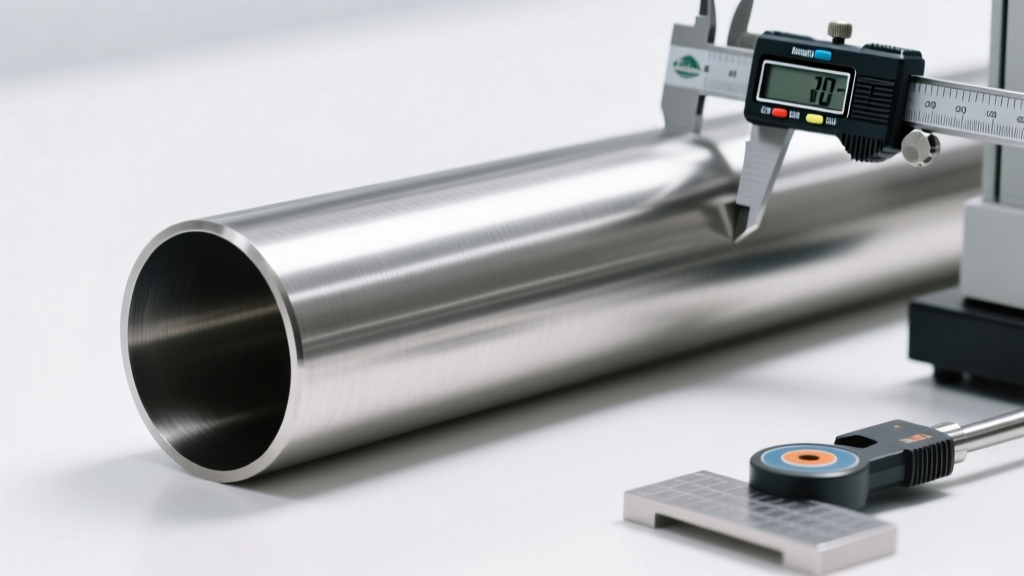
High precision mold inserts are engineered to extremely tight tolerances—often within ±0.001 mm to ±0.005 mm—to ensure repeatability and accuracy in mass production:
- Industries like aerospace and medical device manufacturing demand micron-level precision due to strict regulatory and functional requirements.
- Automotive components may require tight tolerances for fitment, sealing, and assembly automation.
Always verify that the insert manufacturer adheres to international standards (e.g., ISO 2768, DIN 16901) and provides certification for dimensional accuracy. Utilize advanced metrology tools such as CMM (Coordinate Measuring Machines) to validate insert conformity before integration into the mold base.
4. Durability and Wear Resistance
Mold inserts undergo repeated mechanical stress, thermal cycling, and exposure to abrasive or corrosive materials. Therefore, durability is essential for maintaining precision over extended production cycles:
- Tungsten carbide and hardened tool steels (e.g., S136, 420 stainless) exhibit exceptional resistance to abrasion, galling, and erosion.
- Surface treatments such as nitriding, PVD coatings (e.g., TiN, CrN), or DLC (Diamond-Like Carbon) further enhance wear resistance and reduce friction.
High-durability inserts minimize maintenance frequency, reduce downtime for polishing or replacement, and extend overall mold life—especially in high-volume production environments.
5. Surface Finish Requirements
The surface finish of the mold insert directly transfers to the final product, influencing both aesthetics and functionality:
- A mirror-polished insert (Ra < 0.025 µm) produces glossy, defect-free surfaces ideal for optical lenses, consumer electronics, and medical components.
- Textured or etched finishes (e.g., SPI finishes A1–D3) can be applied to replicate leather, wood grain, or matte patterns for automotive interiors or cosmetic packaging.
Choose inserts with the appropriate surface roughness and texture based on your product’s visual and tactile requirements. Also consider ease of cleaning and release characteristics—smoother finishes generally improve demolding and reduce residue buildup.
| Insert Material | Thermal Conductivity (W/mK) | Hardness (HRC) | Best For | Limited Use Cases |
|---|---|---|---|---|
| Tool Steel (H13) | 30–35 | 48–52 | General-purpose molding, high-pressure applications | Poor for rapid cooling; risk of hot spots |
| Beryllium Copper | 60–100 | 36–42 | Complex cores, inserts needing fast heat removal | Lower hardness; not suitable for abrasive materials |
| Tungsten Carbide | 80–110 | 85–90 | Wear-prone areas, metal injection molding | Brittle; expensive; difficult to machine |
| Aluminum Alloys (7075) | 130–150 | 40–45 | Rapid prototyping, low-volume production | Low wear resistance; not for long runs |
Expert Insight: Collaborate early with your mold insert supplier to perform a Design for Manufacturability (DFM) review. This ensures that the insert design accounts for manufacturability, assembly, cooling efficiency, and maintenance access—reducing risks and improving overall system performance.
Final Selection Checklist
- ✔ Confirm compatibility between insert material and molded resin or metal alloy
- ✔ Match thermal conductivity to cooling requirements and cycle time goals
- ✔ Verify that tolerances meet or exceed industry and product specifications
- ✔ Assess expected production volume and select wear-resistant materials accordingly
- ✔ Specify surface finish and texture requirements upfront to avoid rework
- ✔ Consider maintenance, repairability, and ease of replacement during design
Choosing the right high precision mold insert is a strategic decision that impacts product quality, production efficiency, and total cost of ownership. By carefully evaluating material compatibility, thermal performance, dimensional accuracy, durability, and surface finish, manufacturers can optimize their molding operations for reliability and performance. When in doubt, consult with experienced mold engineers or material specialists to ensure your insert selection aligns with both current and future production needs.
Frequently Asked Questions About High-Precision Mold Inserts
Q1: What is a high-precision mold insert?A high-precision mold insert is a specialized component used in injection molding and precision machining processes to produce complex, accurate, and consistent features in manufactured parts. These inserts are typically embedded within the main mold base and are responsible for forming intricate geometries, fine textures, and tight-tolerance details that standard molds may not achieve.
Manufactured from premium materials such as hardened tool steel, stainless steel, or advanced alloys, high-precision inserts offer exceptional durability, thermal stability, and resistance to wear. They are widely used in industries where accuracy and repeatability are critical, including:
- Automotive: For engine components, sensors, and interior trim with exact fit and finish.
- Electronics: To produce connectors, housings, and micro-components requiring micron-level tolerances.
- Medical Devices: For surgical tools, implants, and diagnostic equipment demanding biocompatibility and precision.
By ensuring the molten material conforms precisely to the intended design, these inserts enhance both the dimensional accuracy and surface quality of the final product—minimizing post-processing and improving overall efficiency.
Q2: Which factors affect the choice of precision mold inserts?Selecting the right precision mold insert involves evaluating several interdependent factors to ensure optimal performance, longevity, and product quality. Key considerations include:
- Molded Material Type: Materials like ABS, polycarbonate, PEEK, or liquid silicone rubber have different flow characteristics, shrinkage rates, and abrasive properties, which influence the required hardness and surface treatment of the insert.
- Thermal Conductivity Requirements: Inserts must efficiently transfer heat during the molding cycle. Materials with high thermal conductivity (e.g., beryllium copper) are preferred for faster cooling and reduced cycle times.
- Level of Detail and Surface Finish: Complex features such as micro-textures, undercuts, or optical surfaces require inserts with superior machinability and polishing capabilities, often achieved through CNC machining or EDM (Electrical Discharge Machining).
- Production Volume: High-volume runs demand wear-resistant materials like H13 or S136 steel to maintain consistency over millions of cycles without degradation.
- Corrosion Resistance: For molds processing corrosive resins or operating in humid environments, stainless steel or coated inserts are essential to prevent pitting and rust.
- Mold Design Compatibility: Inserts must align seamlessly with the mold base, cooling channels, and ejection system to avoid misalignment, flashing, or premature failure.
Ultimately, the selection process should balance performance requirements with cost-effectiveness and ease of maintenance to support long-term manufacturing goals.
Q3: Do precision mold inserts significantly affect product quality?Absolutely—precision mold inserts are a cornerstone of high-quality injection molding. Their impact on the final product is both measurable and visible:
- Tighter Tolerances: Precision inserts enable dimensional accuracy within ±0.005 mm or better, crucial for parts that require exact fitment in assemblies.
- Superior Surface Finish: With mirror-polished or texture-etched surfaces, inserts can produce glossy, matte, or patterned finishes directly from the mold, reducing the need for secondary operations.
- Detail Replication: Fine features such as logos, serial numbers, or functional microstructures are accurately transferred to the part, enhancing both aesthetics and functionality.
- Consistency Across Batches: High-quality inserts maintain their integrity over thousands of cycles, ensuring uniformity in appearance and performance across large production runs.
- Reduced Defects: Properly designed inserts minimize issues like warping, sink marks, and flash by promoting even material flow and pressure distribution.
These advantages translate into higher customer satisfaction, fewer rejections, and improved compliance with industry standards—especially in regulated sectors like medical and aerospace.
Q4: What are the signs of wear in a precision mold insert?Over time, even the most durable mold inserts will show signs of wear due to mechanical stress, thermal cycling, and exposure to abrasive materials. Recognizing early warning signs is essential to prevent defects and costly downtime. Common indicators include:
- Surface Damage: Chipping, cracking, pitting, or erosion on the insert surface—especially in high-stress areas like corners or thin walls.
- Loss of Shine: A dull or matte appearance instead of the original polished finish, indicating micro-wear or oxidation.
- Increased Surface Roughness: Measurable with profilometers; roughness leads to part sticking, drag marks, or poor release.
- Dimensional Drift: Parts begin to fall outside tolerance specifications due to material buildup or erosion of critical features.
- Visual Defects in Molded Parts: Flashing, incomplete filling, surface blemishes, or inconsistent textures signal that the insert is no longer performing optimally.
- Part Ejection Issues: Sticking or deformation during demolding may indicate wear-related changes in draft angles or surface friction.
When any of these symptoms appear, a thorough inspection should be conducted. Depending on severity, options include polishing, coating renewal, or full replacement. Preventive maintenance schedules based on cycle counts can help extend insert life and maintain consistent output.
Q5: Are high-precision mold inserts suitable for mass production?Yes, high-precision mold inserts are not only suitable but often essential for successful mass production. Here’s why they are a strategic advantage in high-volume manufacturing:
| Benefit | Description |
|---|---|
| Consistency & Uniformity | Ensures every part meets exact specifications across millions of cycles, minimizing variation and rejects. |
| Enhanced Durability | Made from wear-resistant materials, these inserts withstand prolonged use with minimal degradation. |
| Faster Cycle Times | Optimized thermal properties allow quicker cooling and solidification, boosting throughput. |
| Reduced Post-Processing | High surface finish and accuracy mean fewer secondary operations like machining or polishing. |
| Long-Term Cost Efficiency | Although initial costs may be higher, the reduction in downtime, scrap, and maintenance lowers total cost of ownership. |
| Scalability | Inserts can be replicated across multiple cavities or molds for multi-cavity production, enabling rapid scaling. |
In modern manufacturing, especially in industries like consumer electronics and automotive, high-precision inserts are integral to achieving both quality and efficiency at scale. Their ability to deliver repeatable excellence makes them a smart investment for any mass-production environment.